
CALL OF THE WILD: FRIDAY OCTOBER 16TH @ THE REDD
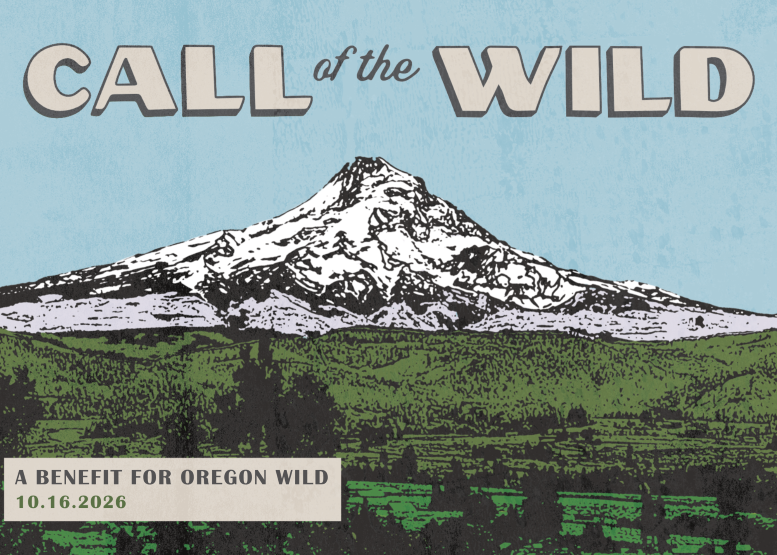
We’re getting closer to our biggest event of the year! And this year’s Call of the Wild is shaping up to be our best one yet with a host of new surprises, tasty food, delicious drinks, and even a made-to-order s’mores station! You won’t want to miss it this Joyful Resistance celebration!
We’re so thankful to our supporters at pFriem Family Brewers as well as Worthy Brewing and Indie Hops – who are collaborating on a special Call of the Wild IPA that we can’t wait to try!
Many other Oregon Brewshed® Alliance members are generously donating gift cards, merch, and beer to the silent auction. We have two requests:
- If you haven’t yet donated, we still need a few more Brewshed® partners to donate a gift card and some merch. Click here to let us know if you can donate!
- We’d love to see you there! So get your crew together and get your Call of the Wild tickets today!
Hope to see you there!
TAKE ACTION FOR ROADLESS AREAS & THE BLUE MOUNTAINS
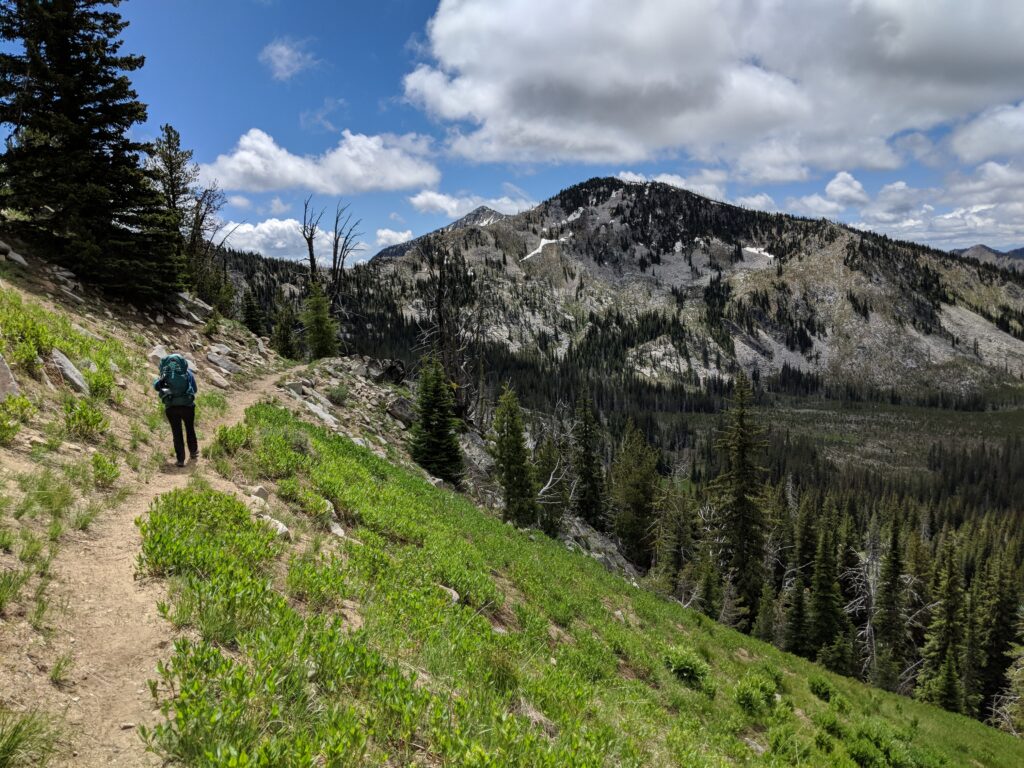
Roadless Rule: Last month, the Trump administration moved forward with plans to eliminate the popular Roadless Area Conservation Rule. Adopted in 2001, this rule protects 45 million acres of wild forests nationwide, including two million in Oregon. The Roadless Rule is vital to safeguarding intact fish and wildlife habitat, outdoor recreation opportunities, and clean drinking water for over two million Oregonians in communities like Portland, Bend, Eugene, Ashland, and others.
We encourage all Brewshed® partners to take a few minutes to submit a comment during the public comment period (extended to October 6). See our guide to submitting unique comments here, and be sure to highlight how protected forests and watersheds benefit your business!
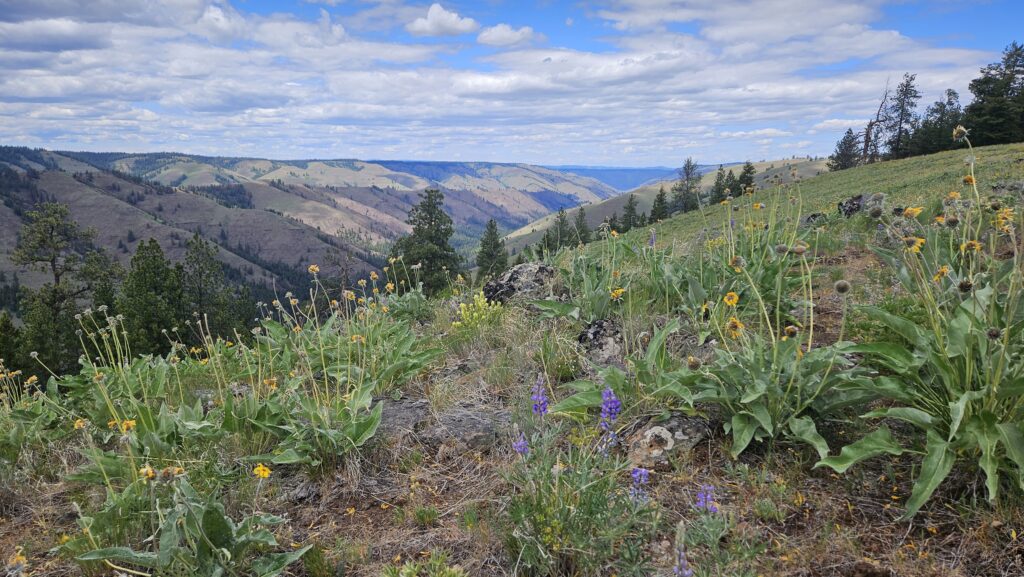
Blue Mountains Forest Plan: Another 5 million acres of public lands across the Blue Mountains in eastern Oregon are also under attack right now as the Trump administration is once again trying to maximize logging at the expense of clean water, wildlife, and outdoor recreation. You can comment on this plan through September 30.
Take Action Today for the Blues!
BREWSHED® PARTNER OF THE MONTH: DOUBLE MOUNTAIN
This month, we want to thank and recognize a new member of the Oregon Brewshed® Alliance – Double Mountain Brewery.
Our friends at Double Mountain participated in this year’s Wild & Scenic Earth Day Collaboration Series by brewing an absolutely delicious Love Shed IPA.
With locations in Hood River, on SE Woodstock, and near Oregon Wild’s North Portland office, we’re doubly for all Double Mountain is doing to help protect and defend our watersheds, er brewsheds, er Love Sheds!
BREWSHED® BREWS IN THE WILD
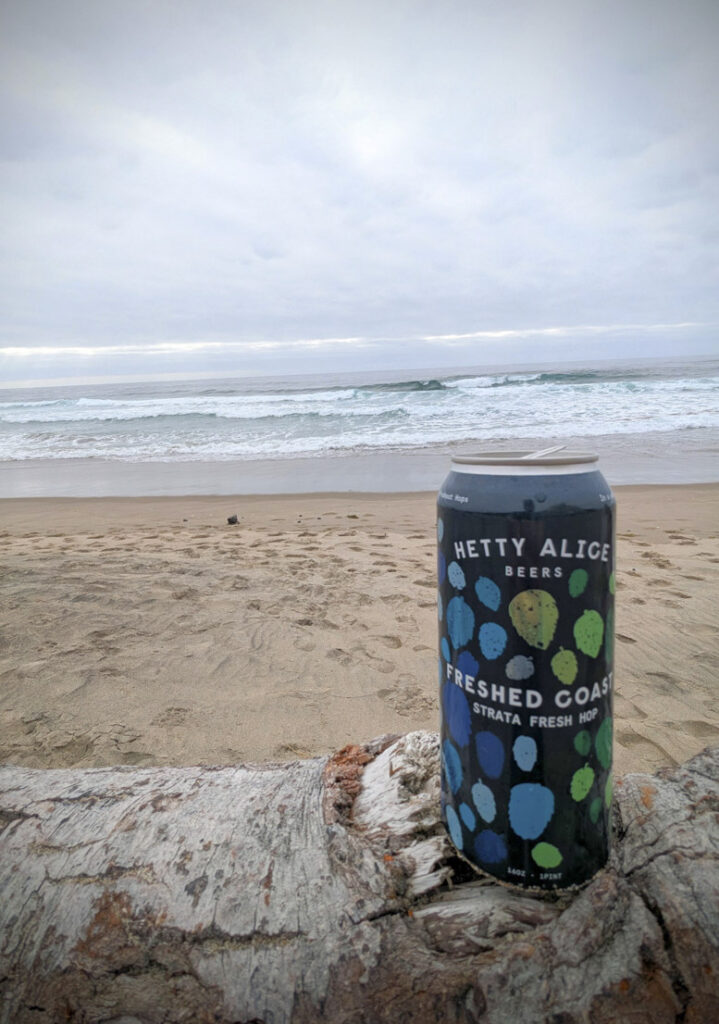
Every fresh hop season, you all seem to out-do yourselves.
An exceptional example of this year’s offerings is the Freshed Coast Strata Fresh Hop IPA from our friends at Hetty Alice.
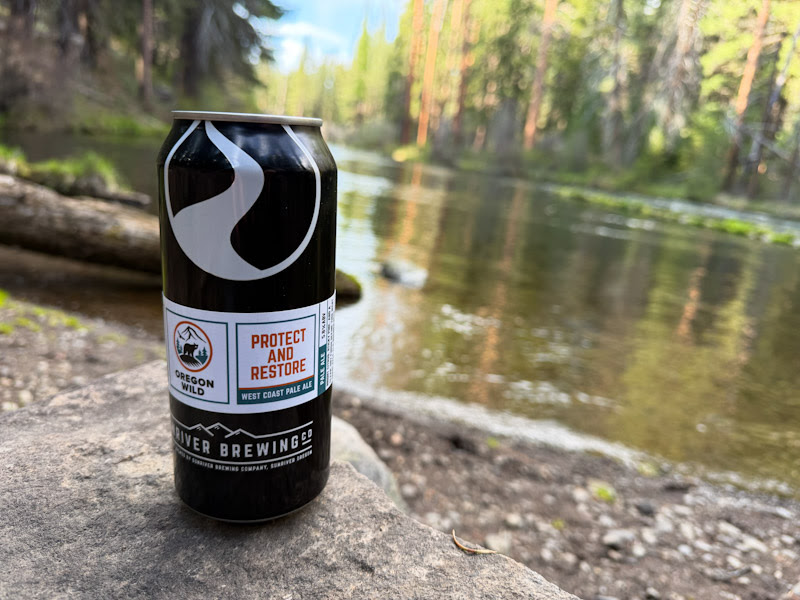
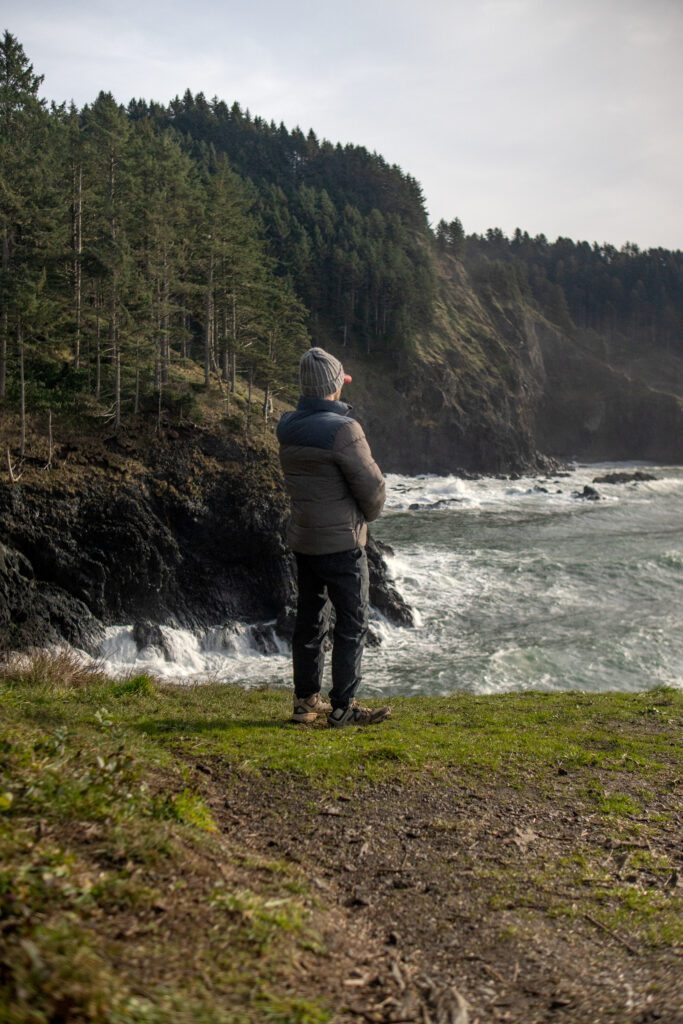
A truly great expression of strata characteristics, this delicious IPA made a hike along the central Oregon Coast that much more spectacular this past weekend.
Cheers, Gavin!
UPCOMING EVENTS
| It’s the height of fresh hop season and we are loving it!We’ll be at the Hop & Heritage Festival this Saturday September 26th in the hop capital of Independence! Huge thanks to our friends at Parallel 45 Brewing and Coleman Hops for inviting us!Hop(e) to see you there! |