

Over 99% of public comments opposed rescinding the Roadless rule
| Contact: Sami Godlove, Oregon Wild sg@oregonwild.org |
BEND, OR — Today, the Trump administration announced it will proceed with its efforts to dismantle the Roadless Area Conservation Rule, which protects 2 million acres in Oregon – and roughly 45 million acres nationally – from road building, logging, and mining. The process that began last year, and resulted in over 99% of the 600,000 comments submitted citing opposition to the plan, will have a second comment period running from August 20th until September 21st.
In a letter to Secretary of Agriculture Brooke Rollins and Forest Service leadership, Oregon conservation organizations have called for an extension of the timeline, citing the original Roadless Rule’s robust comment period, intense public interest, and the lack of any official public meetings.
“There is nowhere in American public life where you can ask a question and 99% of the people who answer agree. The Roadless Rule is a clear exception,” said Sami Godlove, Central Oregon Field Coordinator for Oregon Wild. “That’s because in Oregon, these are the areas that still feel wild. They’re the source of our drinking water, the most intact fish and wildlife habitat, and the special places where we can go and feel connected to something bigger than ourselves.”
A recent ecological analysis featuring prominent Oregon scientists concluded that Roadless Areas protected by the Roadless Rule are made up of “high-integrity forests” and provide irreplaceable ecological and economic values that are threatened by the proposed rescission of the Roadless Rule.
View an interactive map of Oregon Roadless Areas
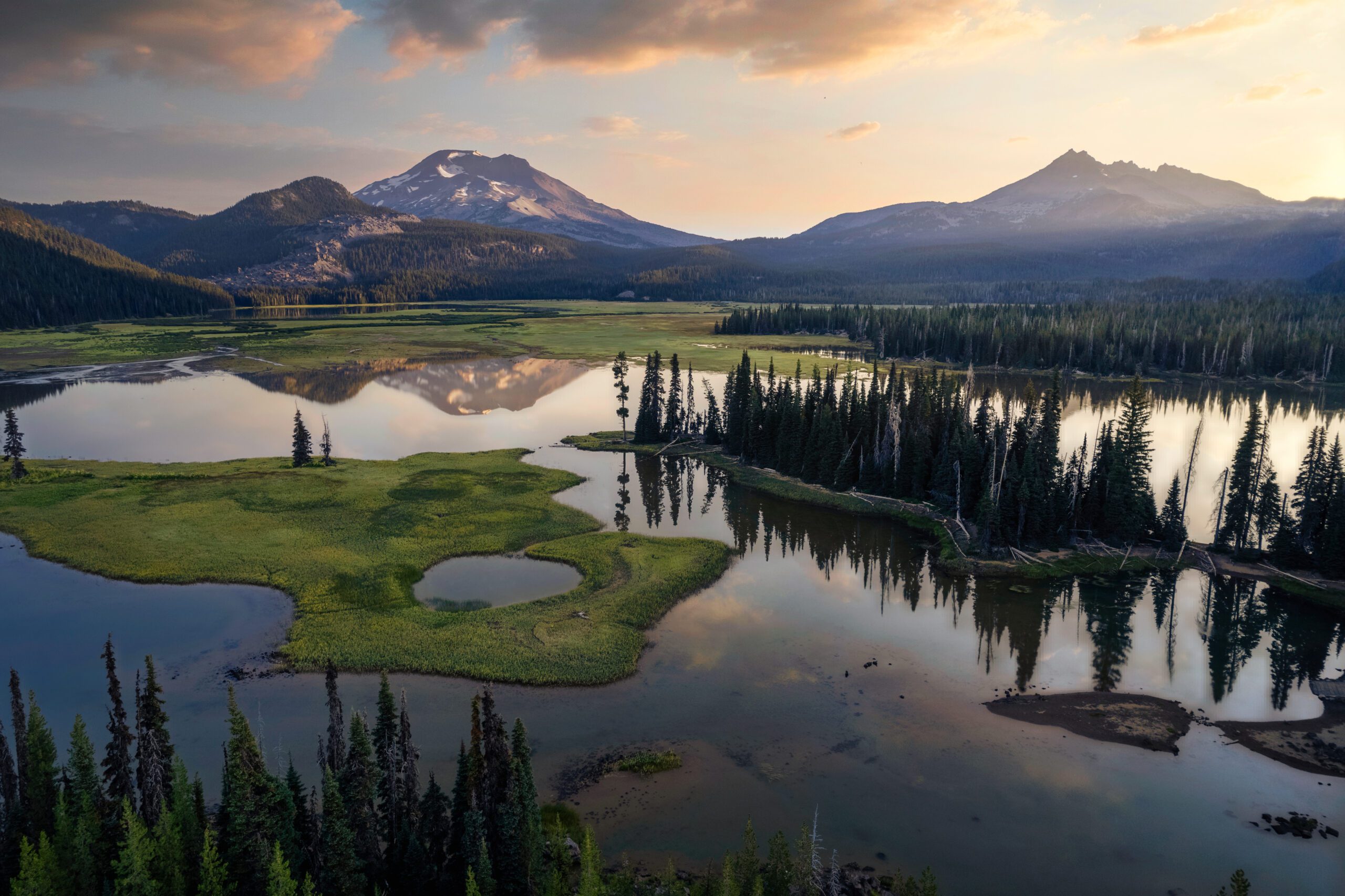
In Oregon, protected Roadless areas include Larch Mountain, Lost Lake, and the Salmon River Trail (Mount Hood National Forest), Iron Mountain and Hardesty Mountain (Willamette National Forest), Oregon Dunes (Siuslaw National Forest), Lookout Mountain (Ochoco National Forest), Joseph Canyon (Wallowa-Whitman National Forest), and Tumalo Mountain (Deschutes National Forest). Roadless areas are some of the last intact landscapes in America, providing clean water, critical wildlife habitat, and world-class recreation opportunities.
Over 50 Oregon businesses have voiced their support for keeping the current Roadless Rule. In a letter to the Oregon Congressional Delegation urging protections for special places, the businesses note: “Oregon’s businesses rely heavily on public lands, clean water, healthy watersheds, and intact forests.”
The Forest Service currently maintains an $8.6 billion road maintenance backlog, with only $73 million in the President’s budget proposal for road maintenance across the National Forest System. Many Roadless Areas were never roaded because they are remote and generally feature geography that makes them difficult to access for logging or other commercial purposes. The elimination or weakening of the Roadless Rule to facilitate additional road access into previously unroaded and difficult terrain would be costly and exacerbate existing maintenance issues.
Studies have found that fires are four times more likely to start near roads. Additional roads and vehicle access into roadless areas drastically increase fire risk in the backcountry and further endanger wildland firefighters assigned to fight in difficult terrain. Nearly 120 current and former wildland firefighters sent a letter defending the Roadless Rule.
Adopted in 2001, the Roadless Rule had the most extensive public involvement process in federal rulemaking history. The Forest Service hosted more than 600 public hearings across the country and prompted 1.6 million public comments, 95% of which were in favor of protecting roadless areas. When the Trump administration proposed rescinding the Roadless Rule last fall, the initial comment period lasted only three weeks. The Trump administration’s current comment period is 4 weeks long, with no official public meetings.
Public lands advocates have hosted their own comment events in Portland, Eugene, and Bend, with others being held across the country to highlight the importance of Roadless Areas. Some attendees have remarked that they attended the Forest Service events over two decades ago.
Oregonians can submit their comments now through Oregon Wild to be delivered during the official comment period, or through Regulations.gov once the comment period opens until September 21, 2026.
Oregon’s Roadless Wildlands
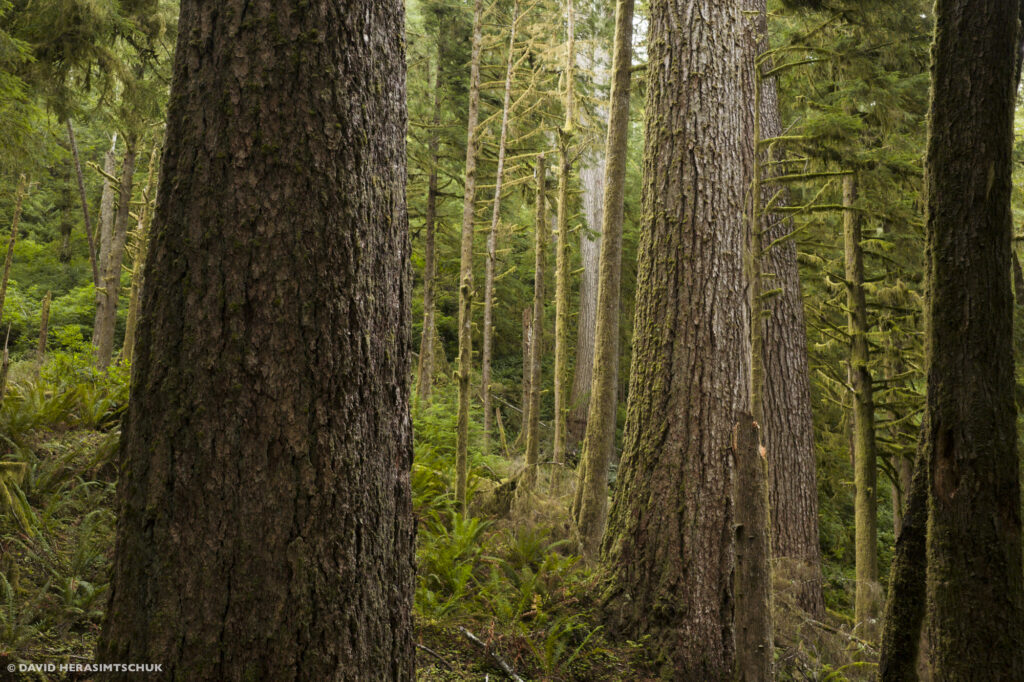
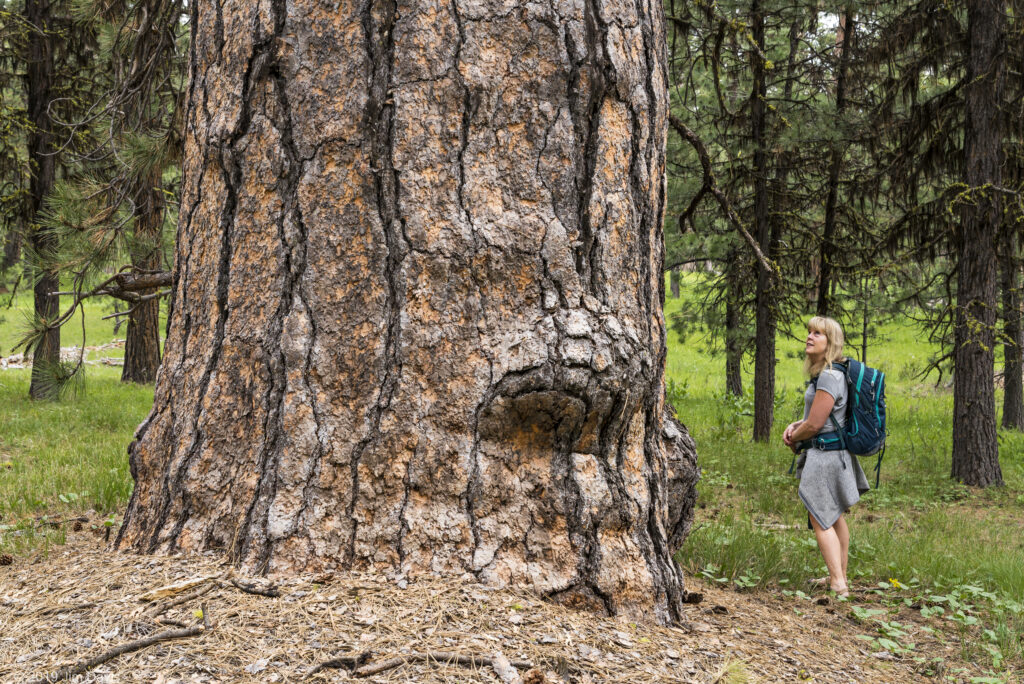
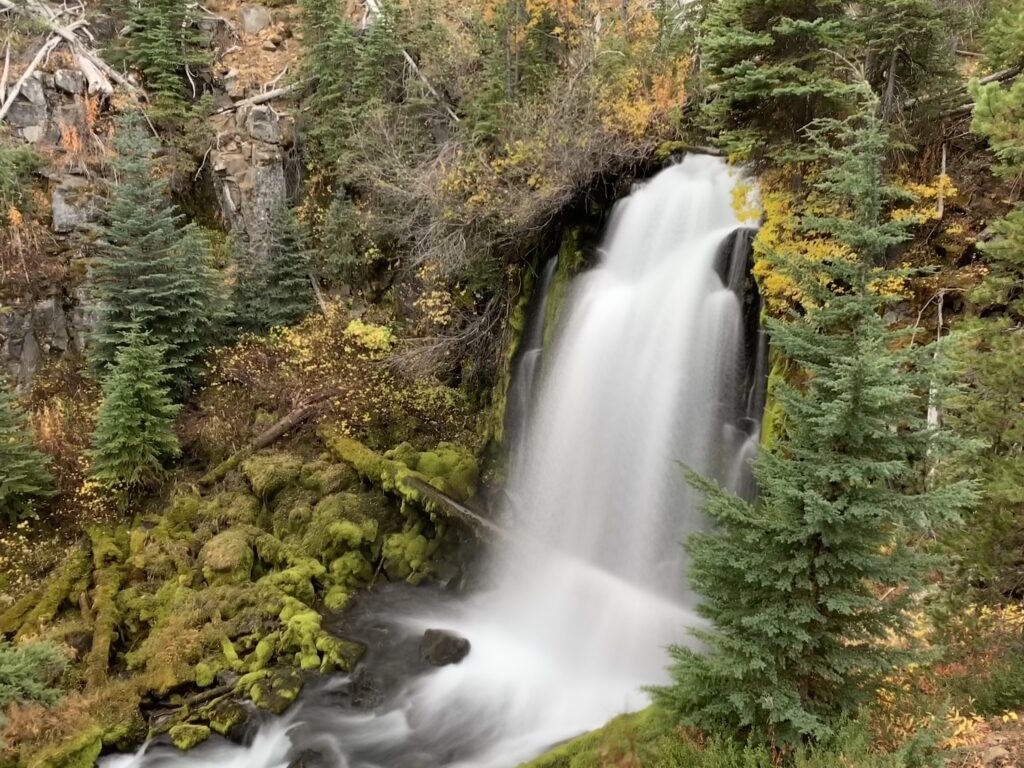
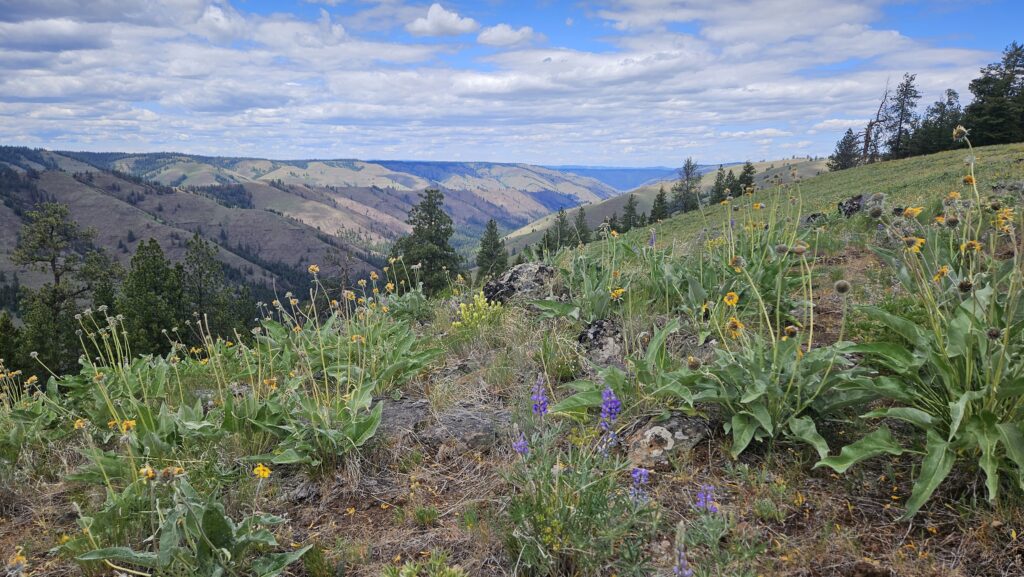
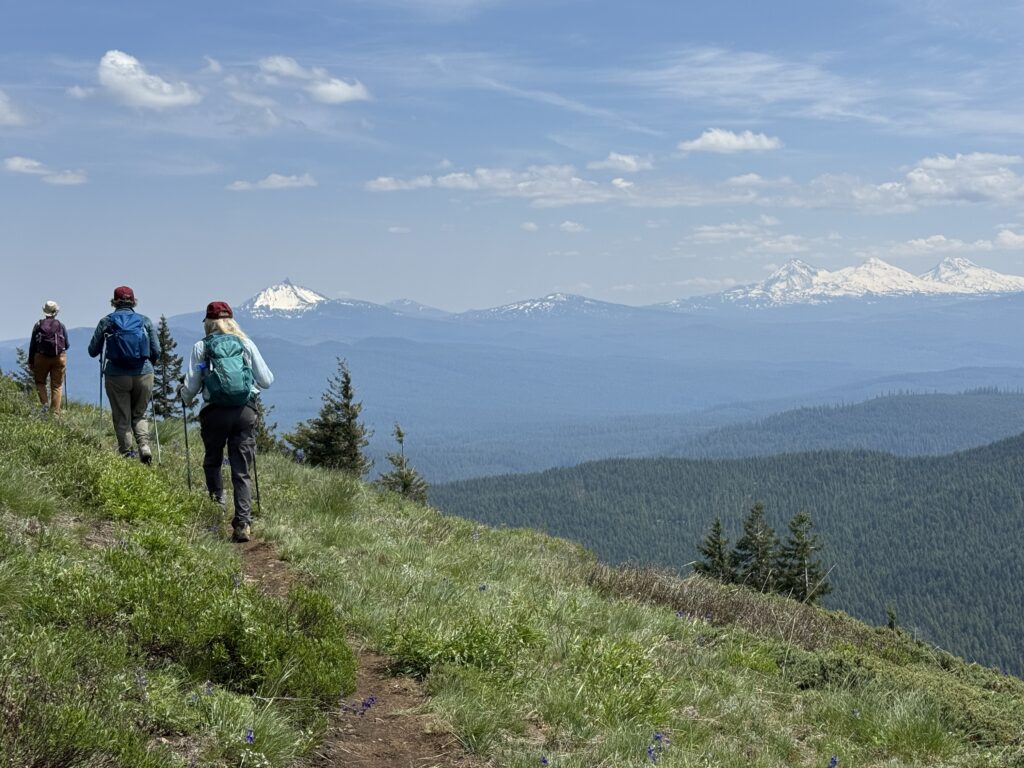
Oregon’s roadless forests are among our state’s most spectacular and irreplaceable landscapes. From the flower-studded meadows of Iron Mountain in the Willamette National Forest, to the dramatic canyons and cultural homelands of the Nez Perce Tribe in Joseph Canyon, to the clean drinking water flowing from Tumalo Mountain into the taps of more than 100,000 people in Bend, these places embody the best of Oregon’s natural and cultural heritage. They also sustain recreation economies and wildlife habitats.
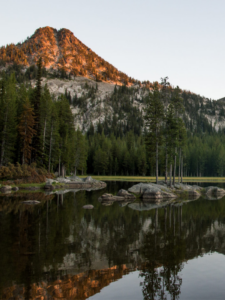
Other iconic areas include Lookout Mountain in the Ochocos, where diverse forests and meadows form the headwaters of critical streams; Rough & Ready Creek, a unique botanical wonderland threatened by mining in southwest Oregon; and Larch Mountain, a lush old-growth haven just minutes from Portland. These and dozens of other roadless areas across Oregon safeguard clean water, biodiversity, cultural values, and recreation opportunities that are impossible to replace once lost.
Learn more about the Roadless Rule and Oregon Roadless Areas here.