

It was three days before Halloween in 1988–the same year that saw the releases of Beetlejuice, Die Hard, and N.W.A’s Straight Outta Compton.
But in the halls of Congress, another lasting legacy would be born that day. On October 28, the Omnibus Oregon Wild and Scenic Rivers Act of 1988 was signed into law, becoming the single largest river protection legislation in U.S. history. This historic law protected over 40 rivers and 1500 total miles of Oregon waterways, adding them to the National Wild and Scenic Rivers System.
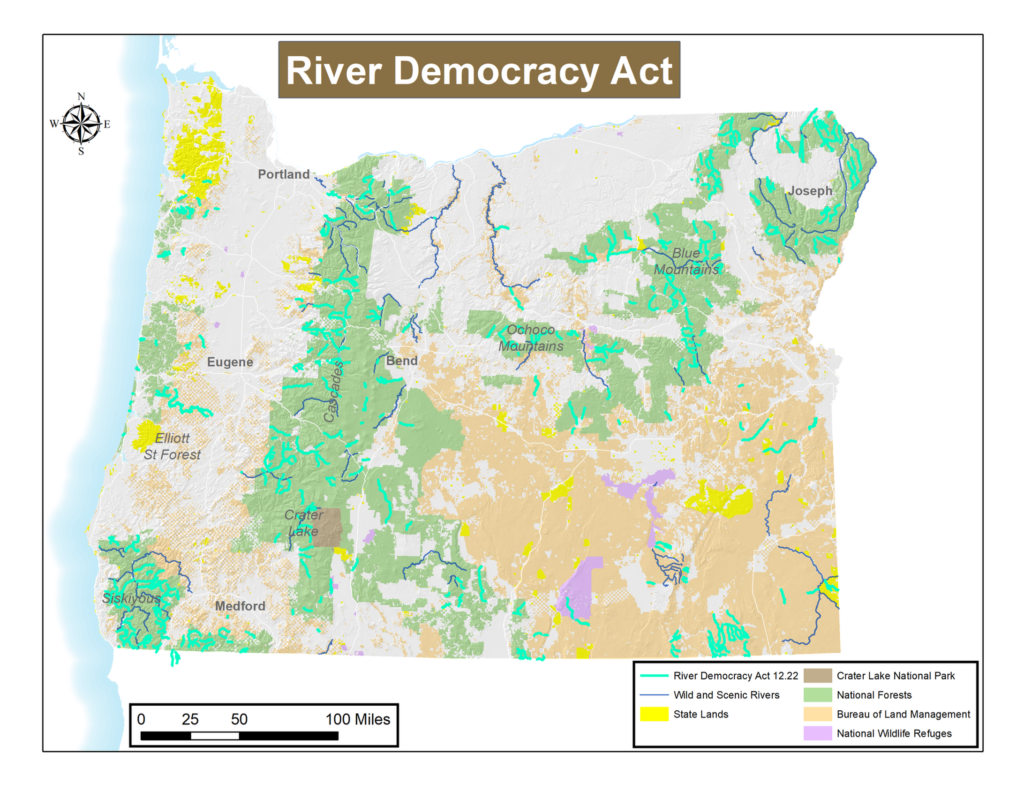
Today, we have an opportunity to pass an even bigger river protection bill in Oregon–the River Democracy Act. The River Democracy Act would protect an additional 3200 miles of Oregon waterways, totalling over 2 million acres of protected public lands and waters.
What better way to honor Oregon’s largest river protection bill than to pass one that is twice as big!
Oregon Wild and Scenic Rivers Act of 1988
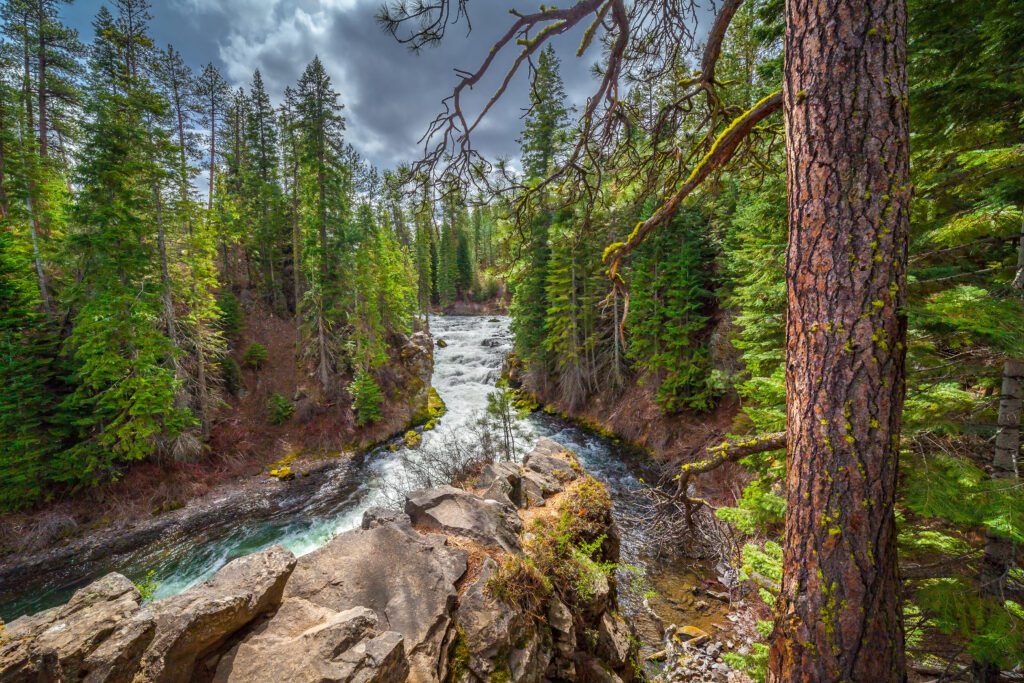
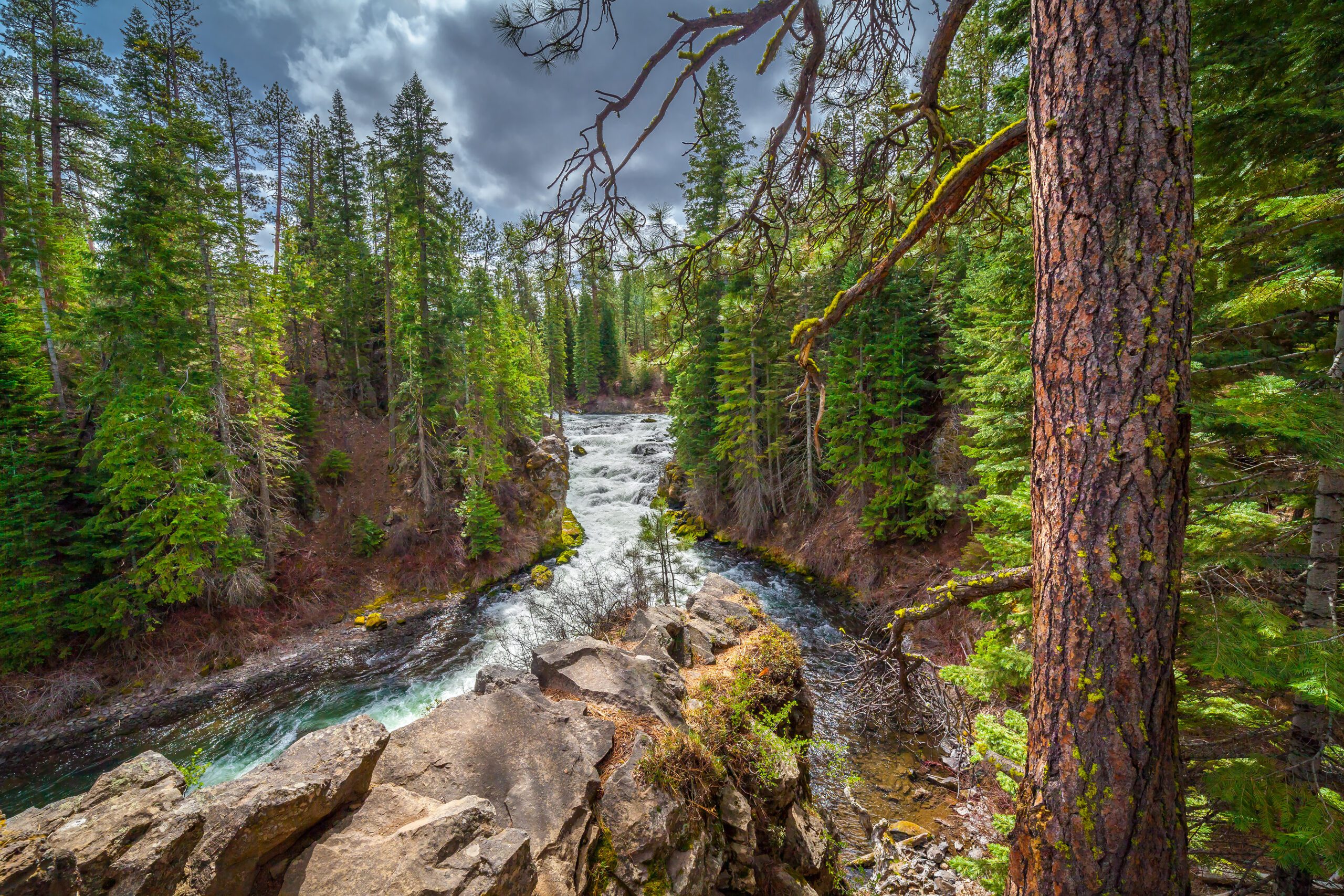
The Deschutes. The McKenzie. The Clackamas. The North Umpqua. The John Day. The Owyhee. The Metolius.
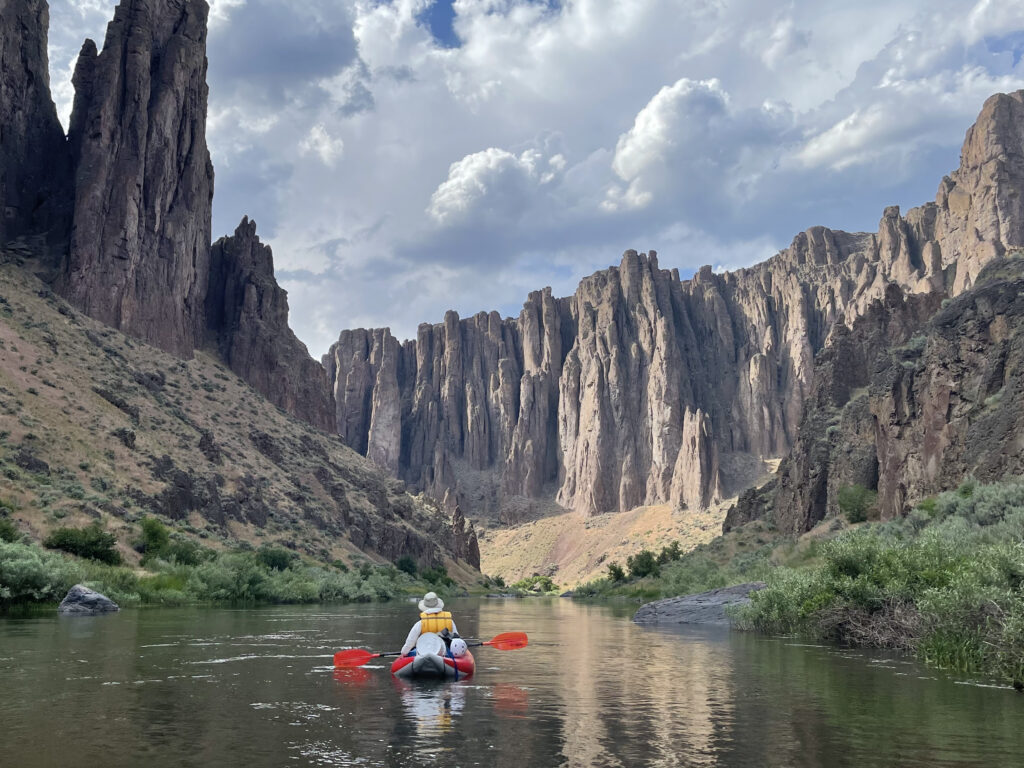
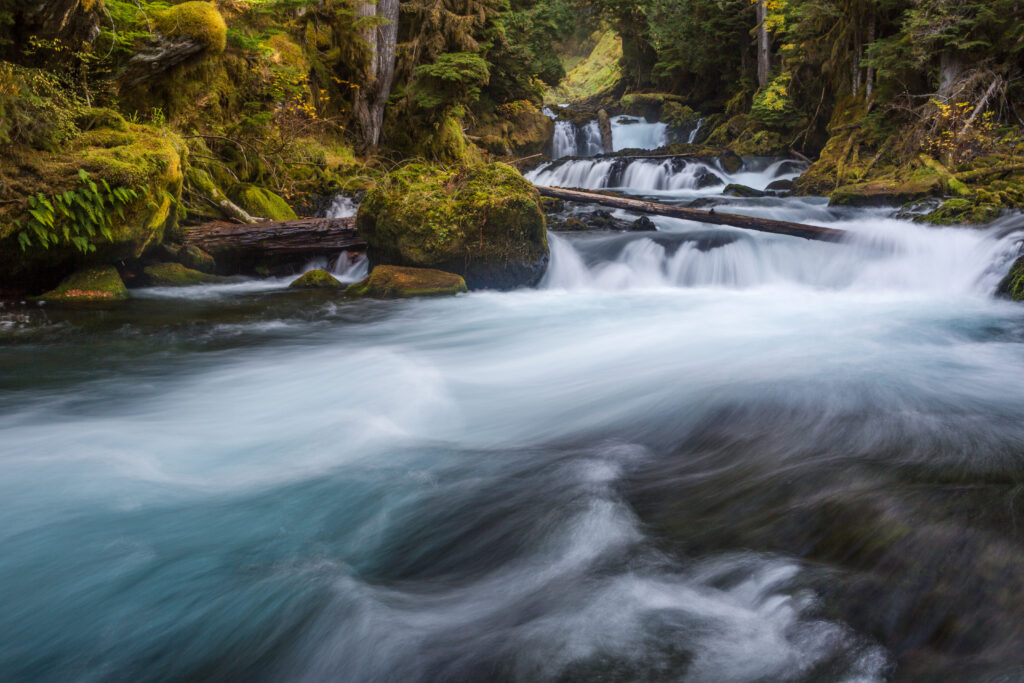
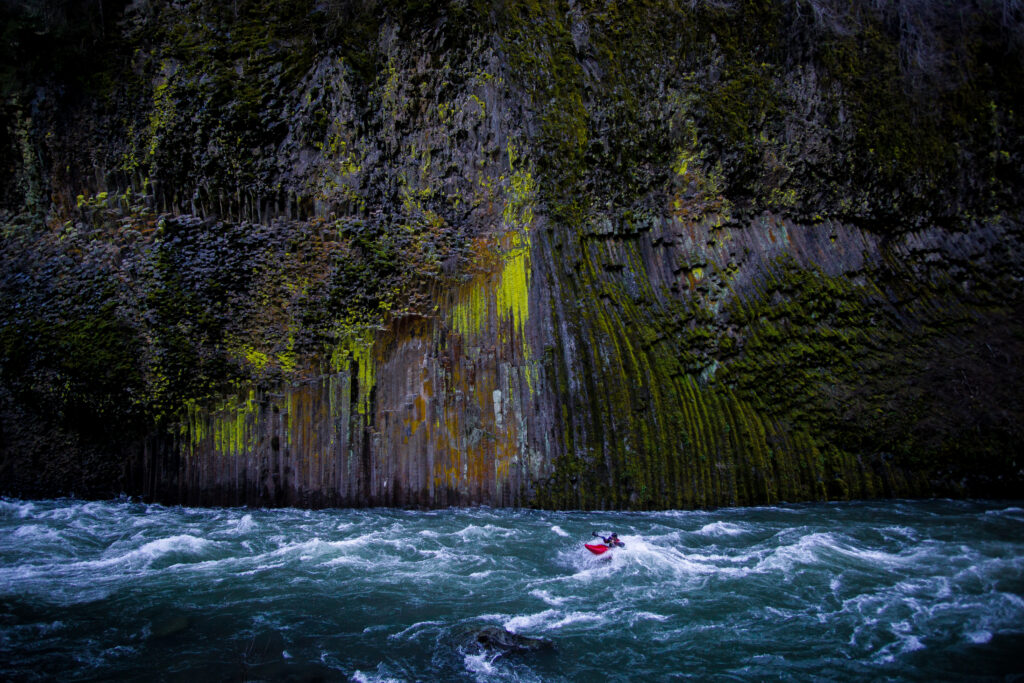
Some of Oregon’s most iconic rivers were included in this bill. Today, these are the places Oregonians and visitors continue to visit to fish, hike, camp, paddle, and enjoy. They are places future generations can continue to enjoy thanks to these protections.
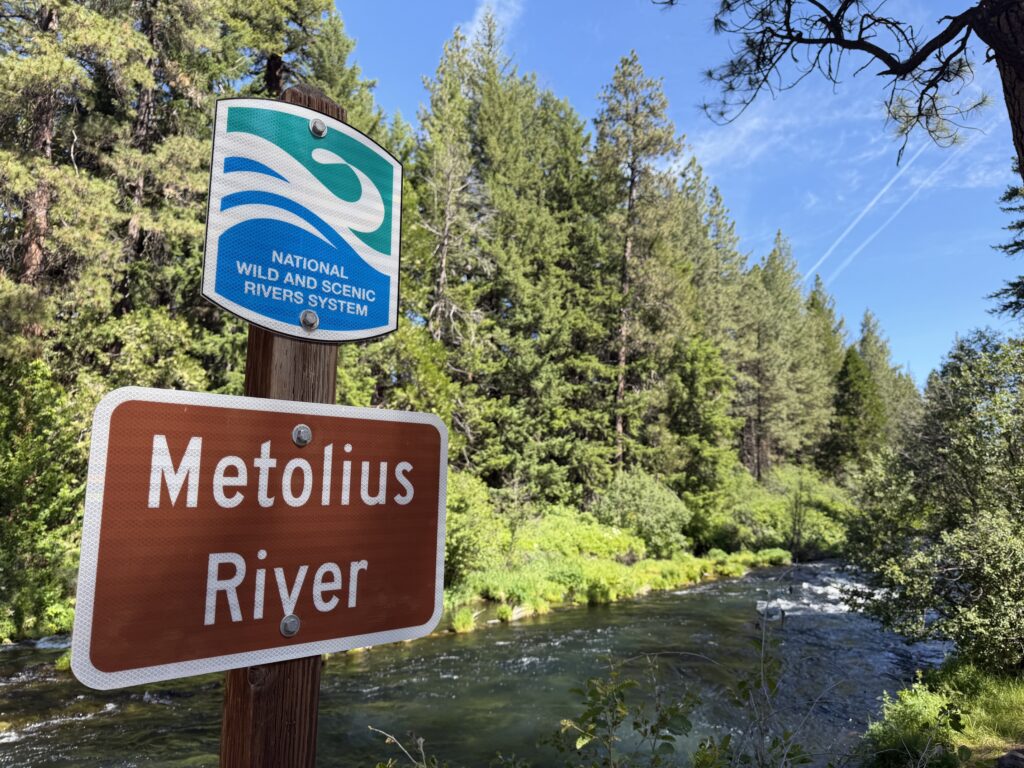
Wild and Scenic River designation
Created by Congress in 1968, the National Wild and Scenic Rivers System was enacted “to preserve certain rivers with outstanding natural, cultural, and recreational values in a free-flowing condition for the enjoyment of present and future generations.” The goal is to protect and preserve the unique character and attributes of these the nation’s most pristine rivers while balancing recreation, water quality, fish and wildlife, and other values.
Protection under the National Wild and Scenic River Act includes the prohibition of dam building as well as any mineral, gas, or oil extraction. It also includes a buffer corridor that can be either 1/4 or 1/2 mile on either side of the river. Within this buffer, activities that would degrade the values for which the river was designated are not allowed – potential values include fish, wildlife, clean water, recreation, scenery, cultural, etc. Most other activities are allowed to continue as long as they don’t degrade these values.
The River Democracy Act
While the 1988 bill included many of Oregon’s most iconic rivers, many others were left out. This includes the headwater and tributary streams that flow into larger rivers. Streams that provide clean, cold water and refuge for salmon, steelhead, and native trout, and watersheds that over a million Oregonians rely on for clean drinking water.
Today, Wild and Scenic River protections apply to a little over 2000 miles of Oregon’s waterways–that’s about 2% of the state’s total river mileage.
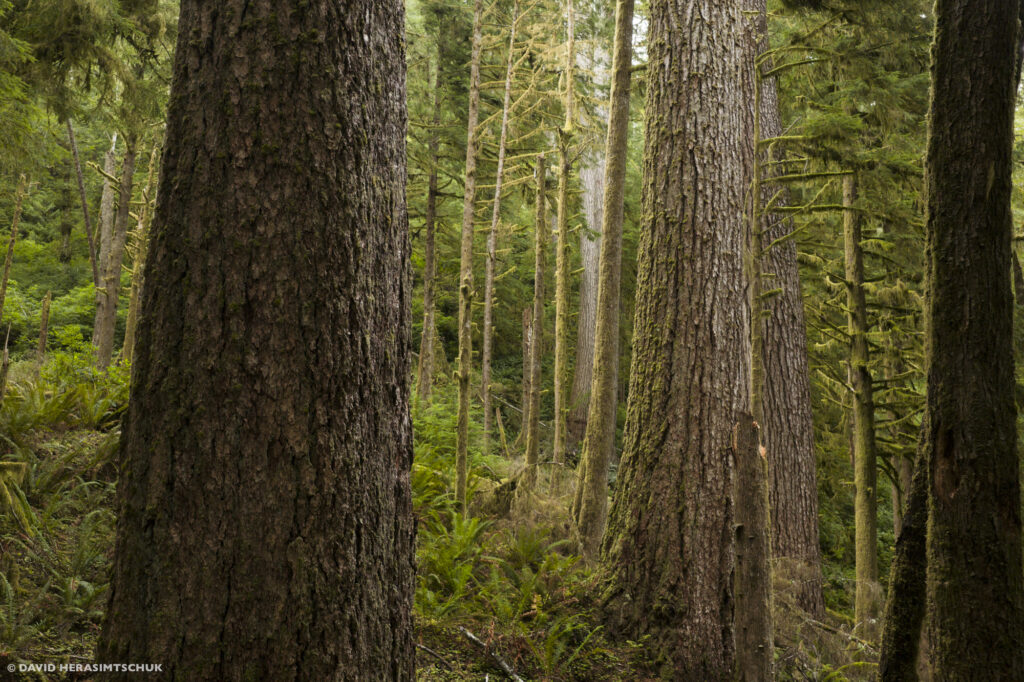
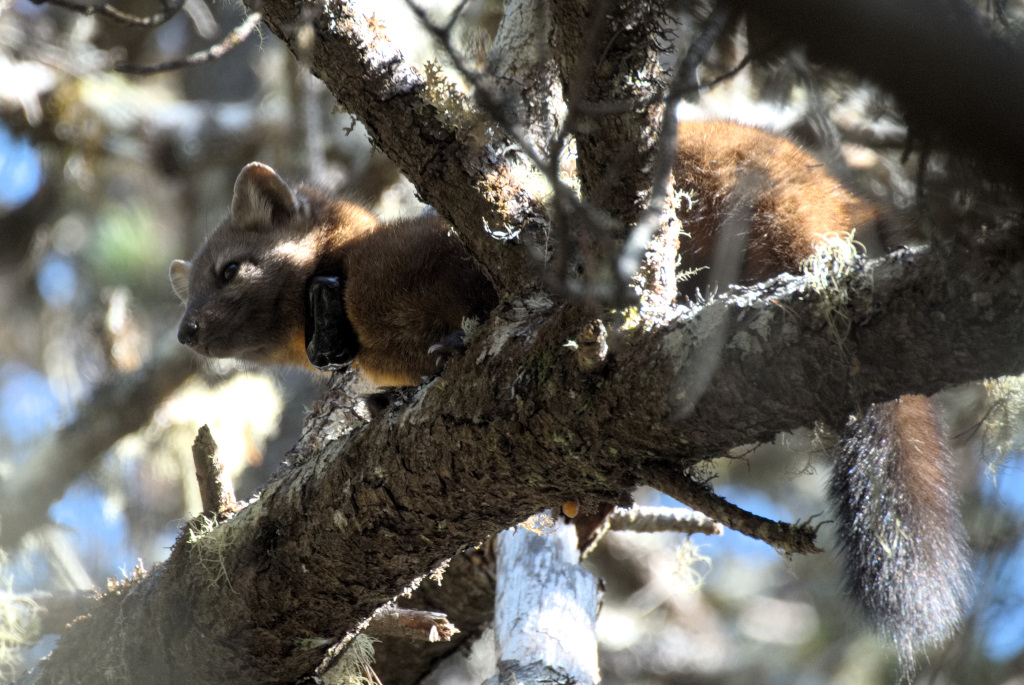
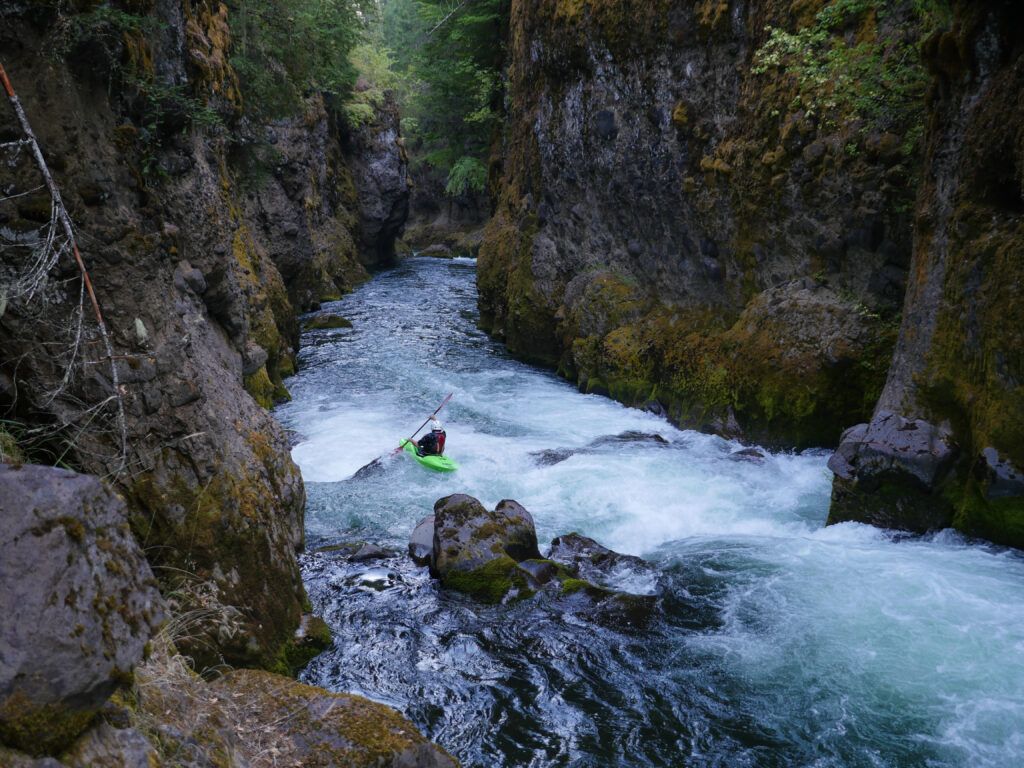
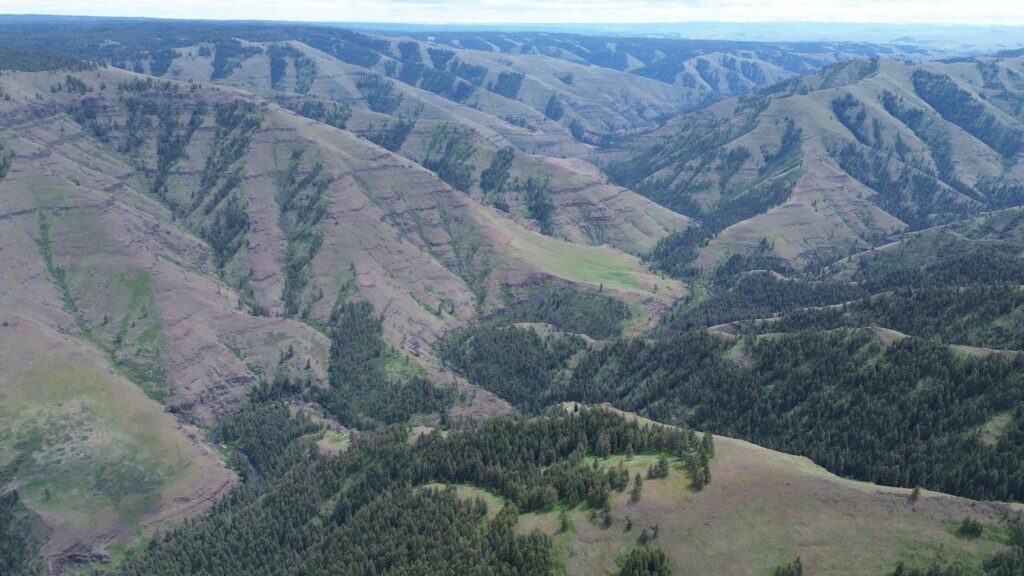
The River Democracy Act would more than double the mileage of protected rivers. In addition to protecting the rivers themselves, it would extend protections to a half-mile on either side of the stream. These riparian corridors are among the most ecologically important landscapes in the state. They include the forests that shade, filter, and store clean water; they provide cover for wildlife migrating along river corridors; and they create the backdrop for the thousands of miles of trails, whitewater runs, and hundreds of campgrounds that line Oregon’s riverbanks.
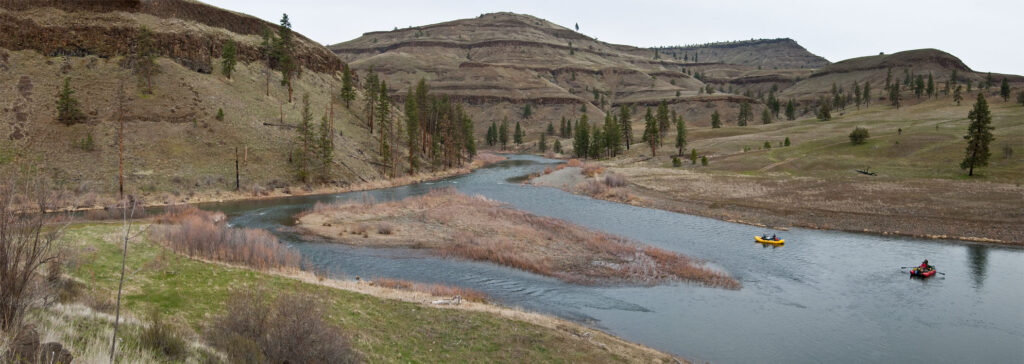
The River Democracy Act includes many of the rivers left out of the 1988 bill and key headwater and tributary streams for our most iconic rivers. The Deschutes. The McKenzie. The Clackamas. The John Day. The Owyhee. The Metolius. The Rogue. The Illinois. The Grande Ronde. All of these watersheds, and more, would receive increased safeguards.
Rivers for All
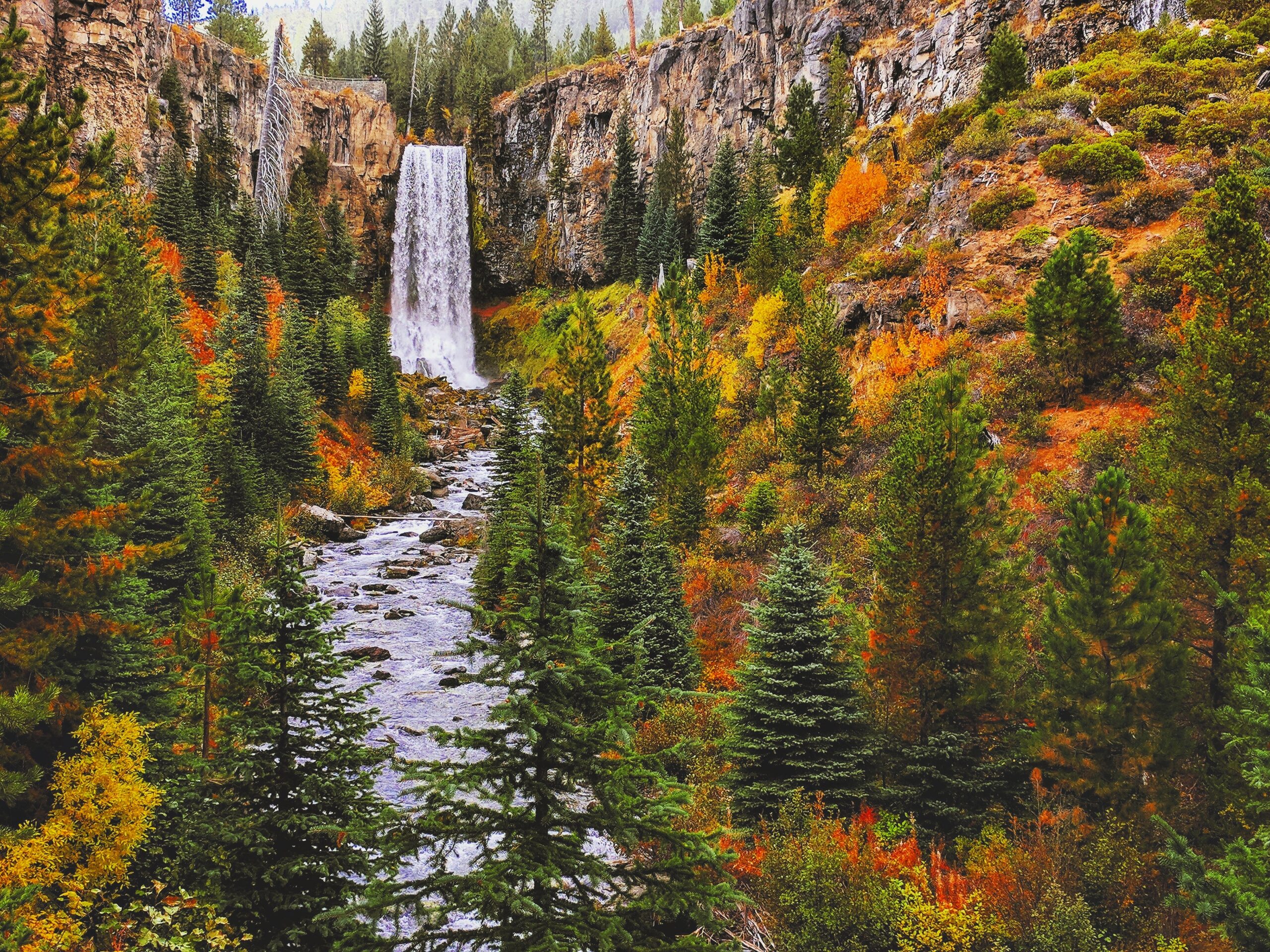
When Senator Ron Wyden first introduced the River Democracy Act, the legislation was the result of a massive public process, crafted with input from hundreds of Oregonians advocating for their backyard rivers, drinking watersheds, fishing holes, hiking trails, kayak routes, and love of Oregon’s wildlands and rivers. Over 15,000 nominations were received from the public–from fish biologists and rafting guides to middle school classrooms.
The River Democracy Act is co-sponsored by Senators Wyden and Merkley, who have continued to work to advance this historic bill through Congress. Now it’s time to get it across the finish line and into law.
How to Take Action
Over 300 Oregon businesses–including breweries, fly shops, river outfitters, outdoor brands, restaurants, and more–have signed on in support of the bill, recognizing that clean water, outstanding recreation opportunities, and strong local economies go hand-in-hand. Dozens of scientists, over 75 local organizations, and thousands of Oregonians have also signed their name in support.
Show your support for the River Democracy Act today by becoming a Citizen Co-Sponsor of the bill. Make sure to thank Senators Wyden and Merkley for their efforts to move this legislation, and urge your members of Congress to support the River Democracy Act and Oregon’s wild watersheds.
Let’s celebrate Oregon’s largest river protection law by passing an even bigger one!