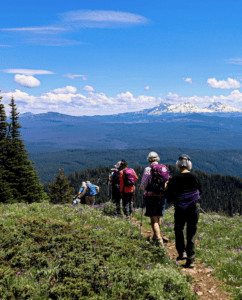

Go on an off-trail adventure in a beautiful forest? Spend time on the beach watching for whales? Seek out the gnarled outlines of whitebark pines in the wilderness? Yes please! Do any of those things in service of science that benefits wildlife and their habitat? Twist my arm, but yeah, sign me up!
Current opportunities with Adventure Scientists could have you honing your navigation or binocular skills this spring and summer, and helping with meaningful data collection to support conservation efforts. At a time when people who care about public lands are watching the U.S. Forest Service go through one of the most significant reorganizations in its history, leading to far fewer boots on the ground to cover millions of acres of forest, what hasn’t gone away is the need for good information. In fact, it matters now more than ever.
Adventure Scientists, a conservation nonprofit with more than 15 years of experience, is calling on outdoor enthusiasts, field technicians, ecologists, and environmentalists to help collect critical biodiversity data across Washington, Oregon, and California. Volunteers contribute to real conservation outcomes by gathering scientifically rigorous data while hiking, backpacking, skiing, biking, paddling, and exploring the outdoors.
Past projects in the Pacific Northwest sponsored by Adventure Scientists have led to important data collection that has helped determine populations of coastal marten, documented the range of certain tree species, sampled pollinator species, and tested water quality of designated Wild & Scenic Rivers.
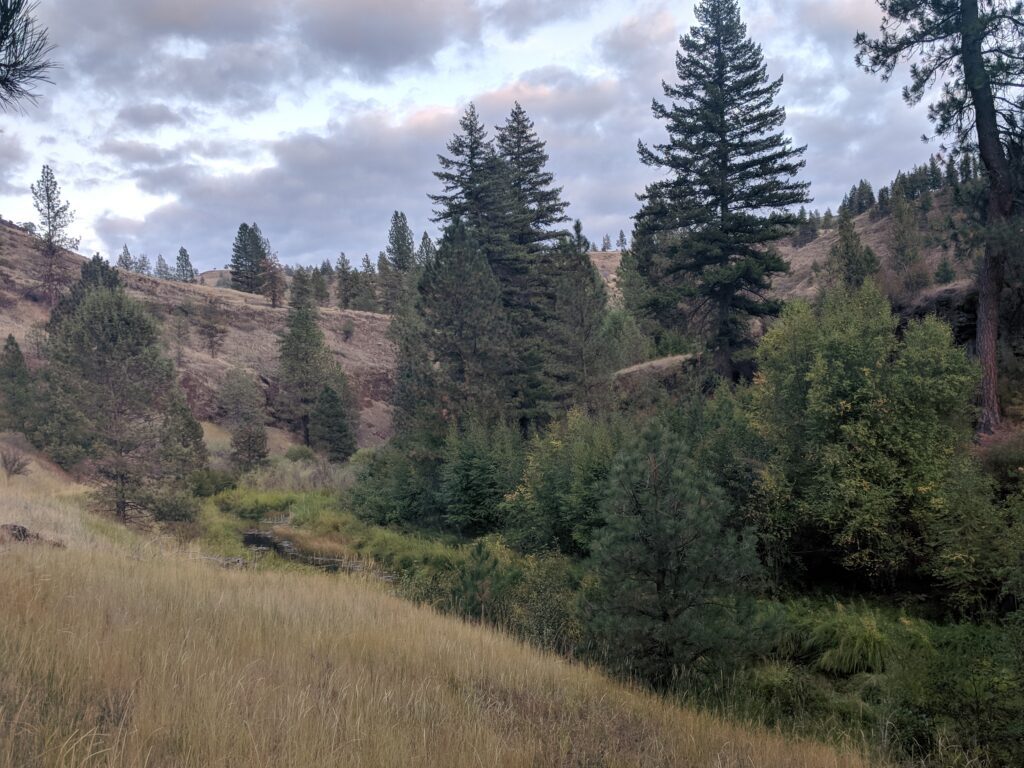
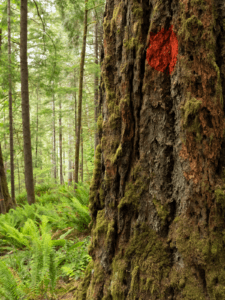
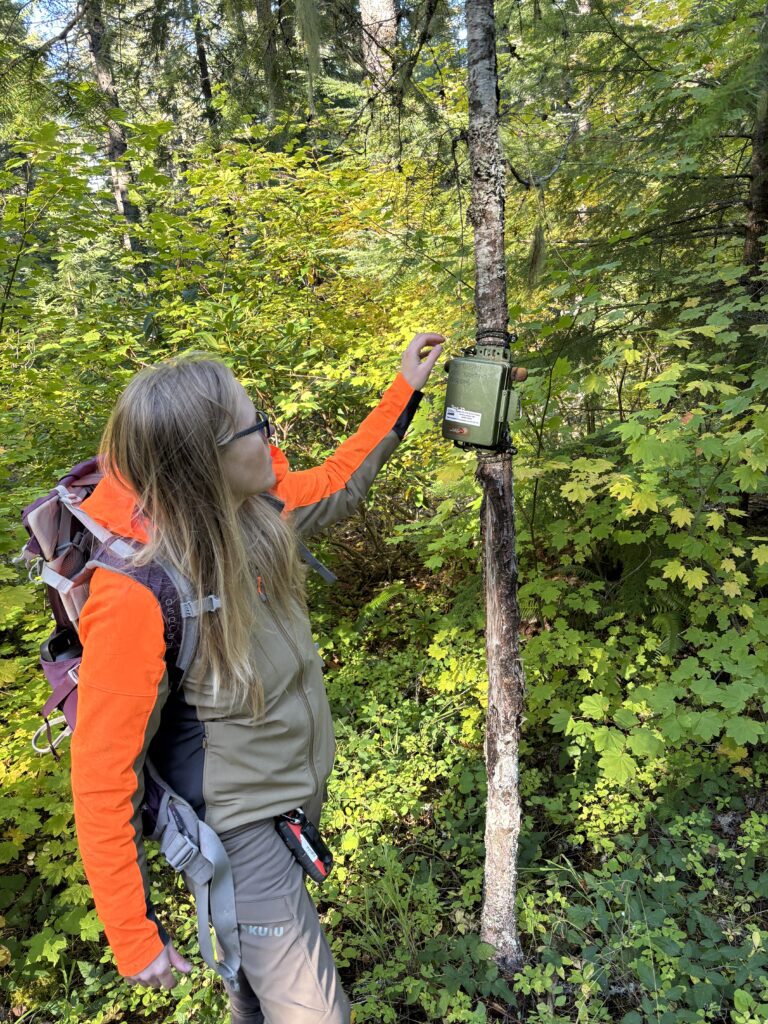
Current efforts include deploying acoustic recording devices in National Forest and Bureau of Land Management lands to help researchers understand how bird and wildlife species use old‑growth forests. This project seemed like a good fit for me, so I applied, did the training, and am looking forward to going on an adventure with purpose (in addition to the purpose I usually have, which is to document some of the special places Oregon Wild is working to protect). More here on how to apply for this opportunity.
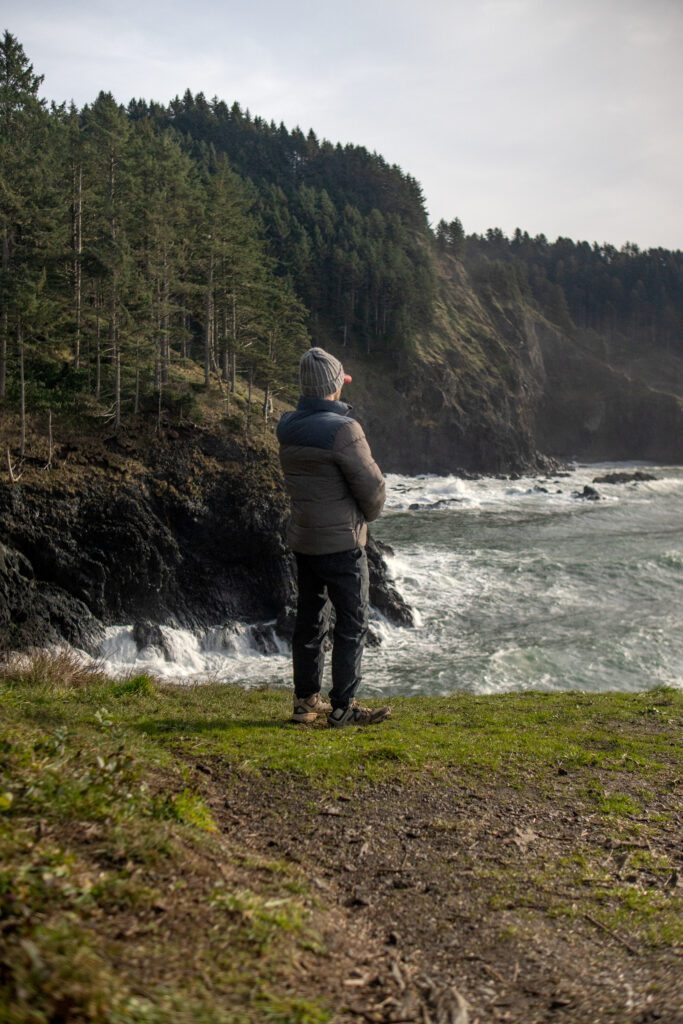
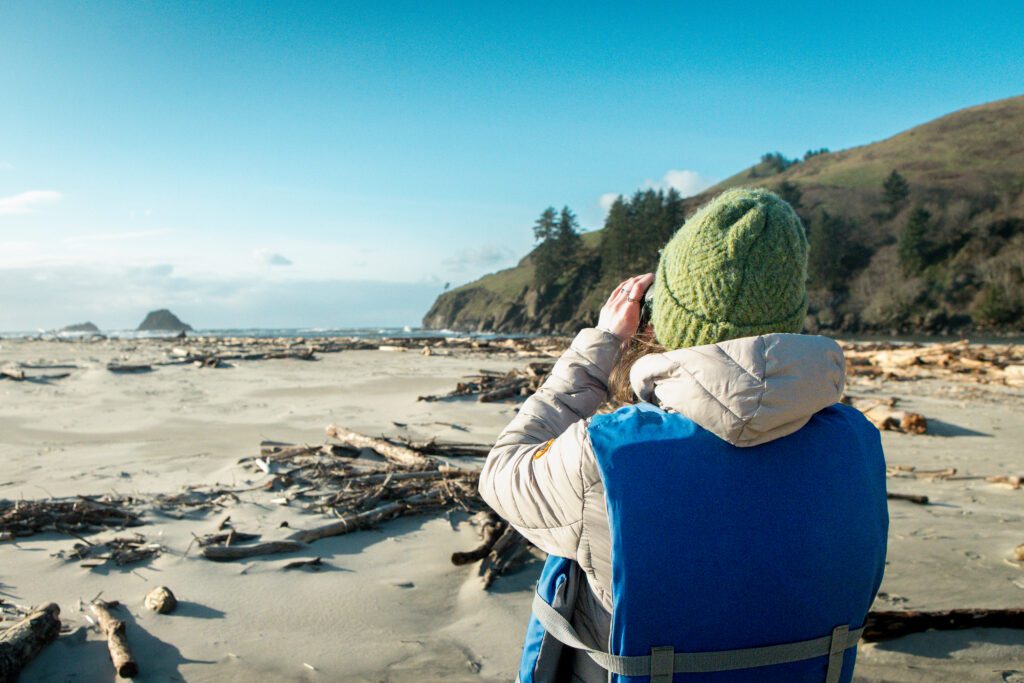
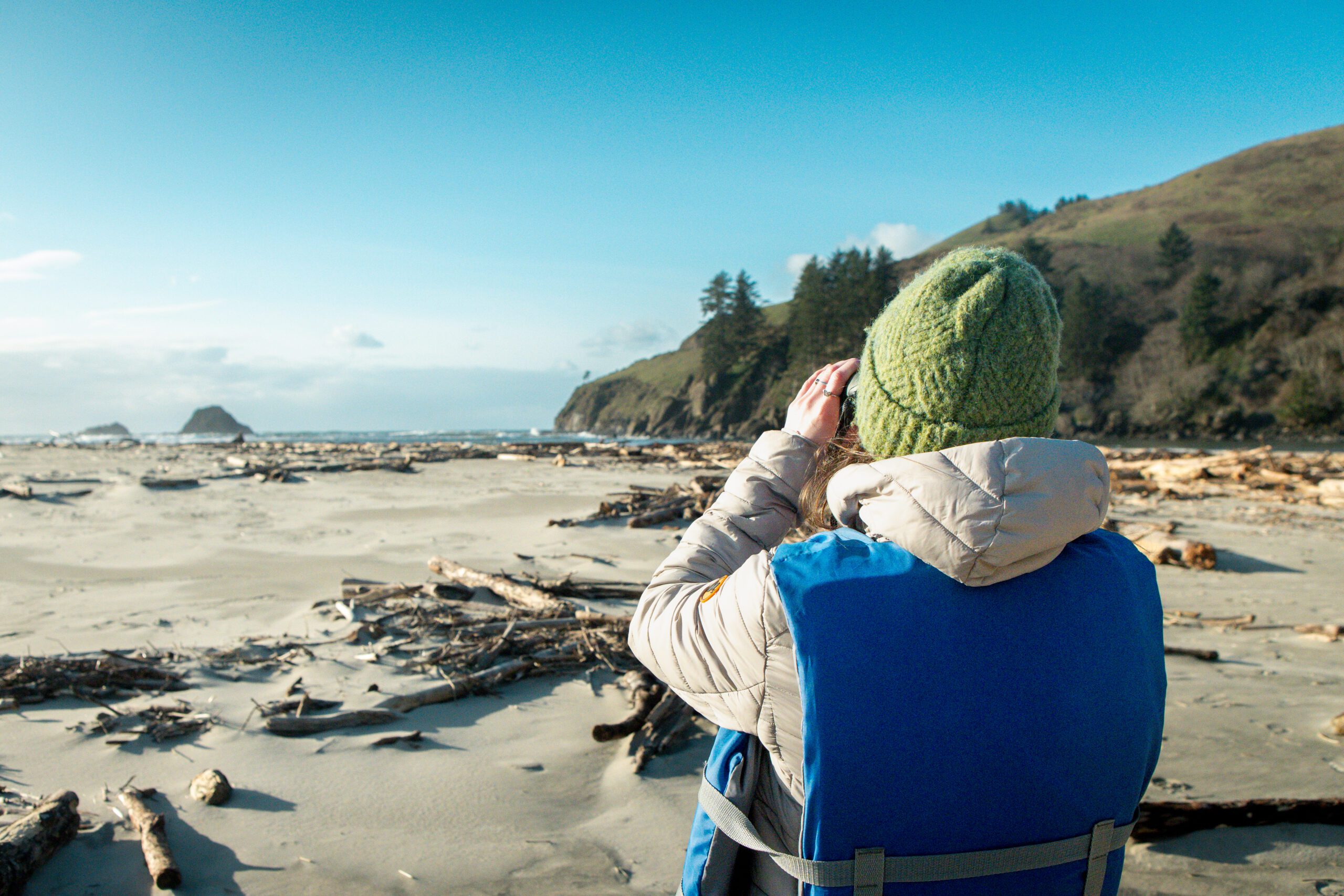
You can also contribute on your next trip to the Coast! Volunteers are documenting Southern Resident killer whale sightings along the Pacific coastline, data that supports informed conservation decisions. Don’t think there are orcas in Oregon? One was spotted April 8 in the Siuslaw River in Florence, and other recent sightings have been reported in Yaquina Bay! More on this project here.
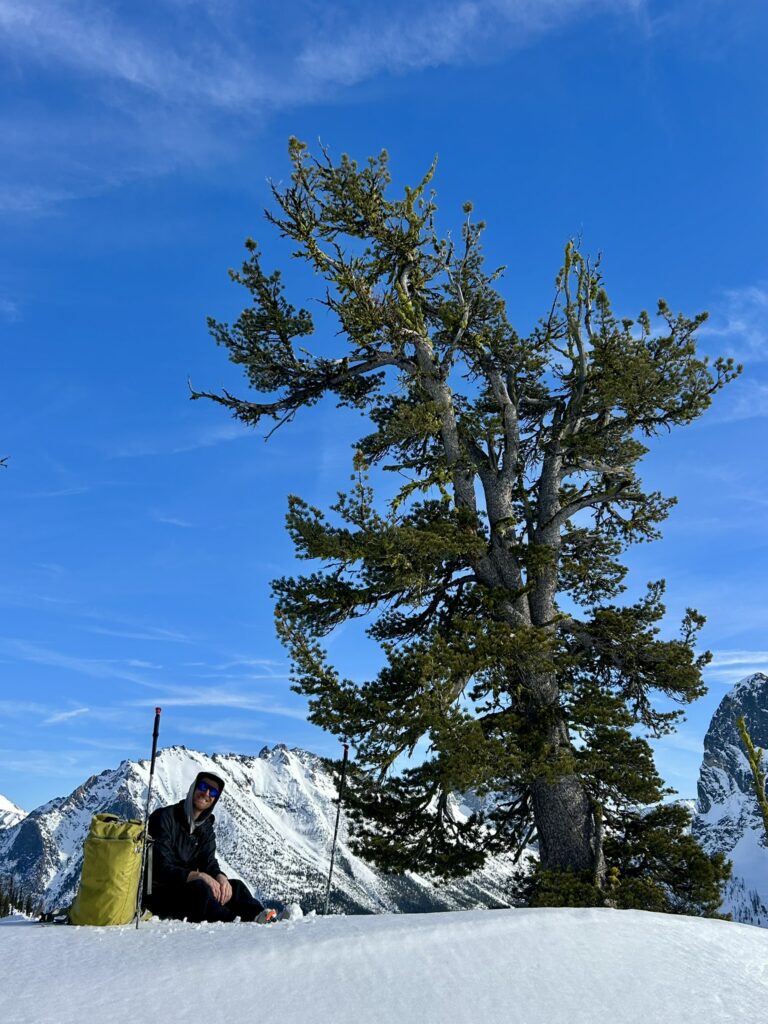
And finally, if you’re into alpine trekking, you could help document the health and locations of whitebark pine trees. Listed under the Endangered Species Act in 2022, this high elevation tree is facing major challenges due to climate change and invasive species. Find out how to help monitor these iconic trees.
All volunteers receive training, follow standardized protocols, and contribute data that meets research‑grade standards used by federal and state agencies.
I know I’m looking forward to getting out there to do some of this work – I love any excuse to get outside and especially if I can gain a better understanding of the forest habitats and needs of wildlife. If you’re like me, check out these projects and sign up to volunteer.
Photos courtesy of Adventure Scientists