
| Contact: Jamie Dawson, Greater Hells Canyon Council Rob Klavins, Oregon Wild Brenna Bell, Crag Law Center |
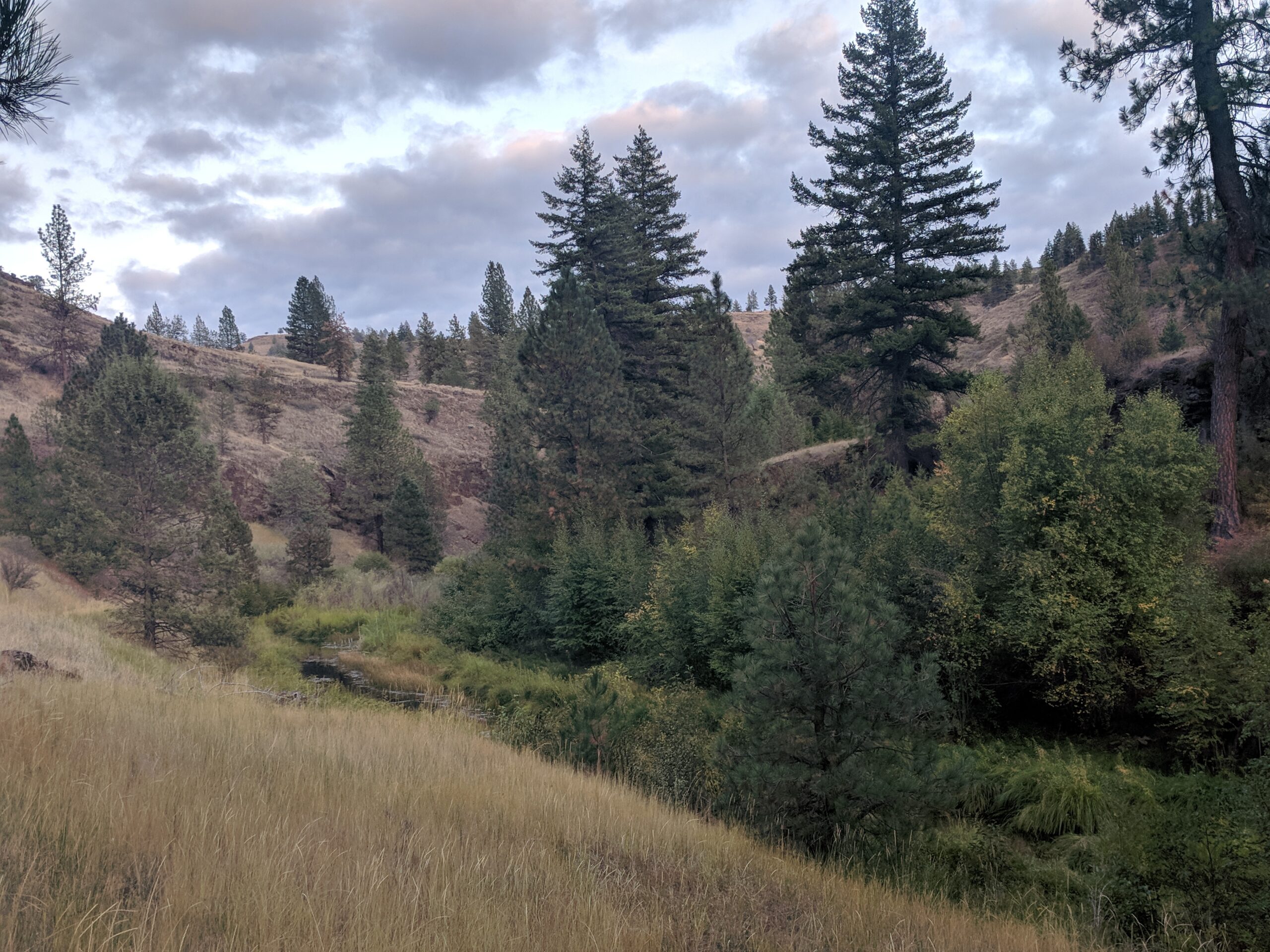
Today, Greater Hells Canyon Council and Oregon Wild filed a legal challenge to the Ellis Integrated Vegetation Project. The Ellis Project is located southwest of Pendleton on the Heppner and North Fork John Day Ranger Districts of the Umatilla National Forest.
A core purpose of the project is to improve elk habitat, enabling them to stay on public lands and reducing conflict with neighboring private lands. After consistently centering improvements to elk habitat as a main priority, the Forest Service abruptly changed course, removing longstanding road management elements from the project. The elimination of habitat protections and failure to analyze resulting impacts violates the Umatilla National Forest’s own management plan and other environmental laws.
Numerous organizations and agencies expressed concerns about these changes and filed objections to the draft decision, including the Confederated Tribes of the Umatilla Indian Reservation, the Oregon Department of Fish and Wildlife, Blue Mountains Biodiversity Project, Greater Hells Canyon Council, Oregon Hunters Association, Oregon Wild, the Theodore Roosevelt Conservation Partnership, and the Rocky Mountain Elk Foundation.
“Keeping elk on public lands was one of the driving motivations in the development of the Ellis Project. The Forest Service has spent the last 7 years saying this project was going to improve elk habitat, benefitting both elk and elk hunters, and reduce conflicts on adjacent private lands,” said Jamie Dawson, Conservation Director for Greater Hells Canyon Council. “They’ve found that some road closures are necessary. Now they’ve fundamentally changed the project at the last second in a way that will harm elk and everyone who cares about them. Reasonable road management can protect both public access and wildlife habitat.”
The project area hosts some of the highest densities of Rocky Mountain elk in the state, but public lands in the area have too many roads to allow elk to find security when they need it. A key goal of the Ellis Project is to improve habitat quality and reduce disturbance in parts of the National Forest. Studies from the Forest Service’s Starkey Experimental Forest and Range have found that reducing road densities in the Blue Mountains of Eastern Oregon can be a very effective tool. Doing so will also have many other benefits to fish, wildlife, water quality, and recreation. Community stakeholders have supported strategic closure and decommissioning of some roads in this densely roaded landscape.
Every alternative that the Forest Service considered included road closures alongside proposed logging, except the no-action alternative. The road closures were a key component to gaining support from a broad group of interested members of the public. However, the Forest Service’s final decision created a new alternative that threatens the project’s stated objectives. This occurred without notice to stakeholders or the legally required scientific analysis, and is a major departure from the intent of the project and the nature of its development.
“I’ve been working with the agency and diverse stakeholders on this project for nearly a decade,” said Rob Klavins, Oregon Wild’s Northeast Oregon Field Coordinator based in Wallowa County. “It now appears Forest Service leadership is unbothered by undermining the hard work and trust their staff built with us and communities across the region. The Ellis Project is just the latest example of decision makers breaking promises and showing disdain for the land, the public, and even their own science.”
The Ellis Project is 110,000 acres and includes roughly 30,000 acres of commercial logging and 73,000 acres of small-diameter thinning. These elements are not being challenged in this litigation.
Greater Hells Canyon Council and Oregon Wild are represented by attorneys Brenna Bell and Oliver Stiefel from the nonprofit Crag Law Center.