

Just the name “Area of Critical Environmental Concern” (ACEC) tells you a lot. The designation applies to public lands managed by the Bureau of Land Management (BLM), and the areas have generally been identified by agency biologists, cultural resource specialists, and other staff for important values essential to preserve about a place – from wildlife habitat to historical significance.
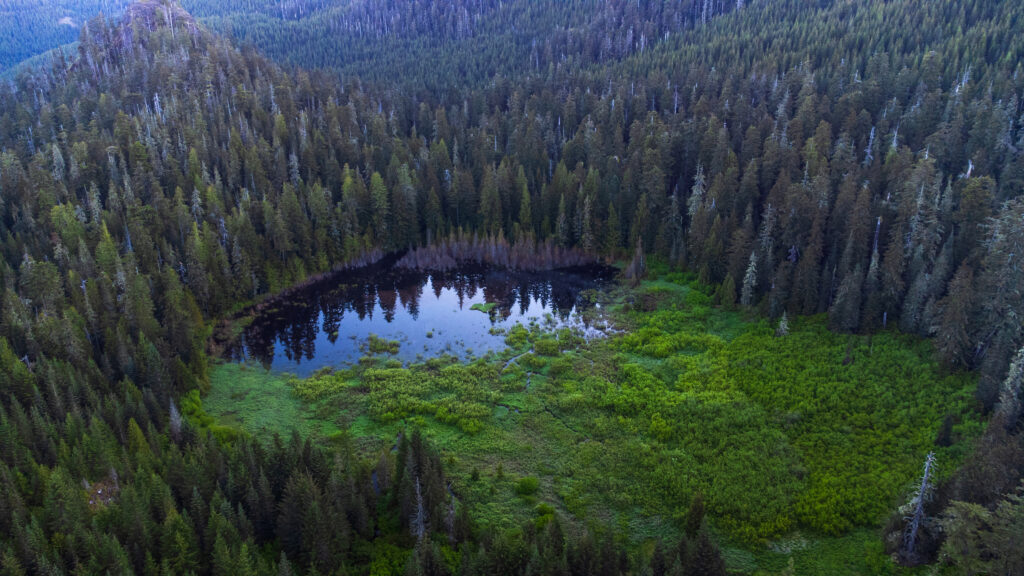
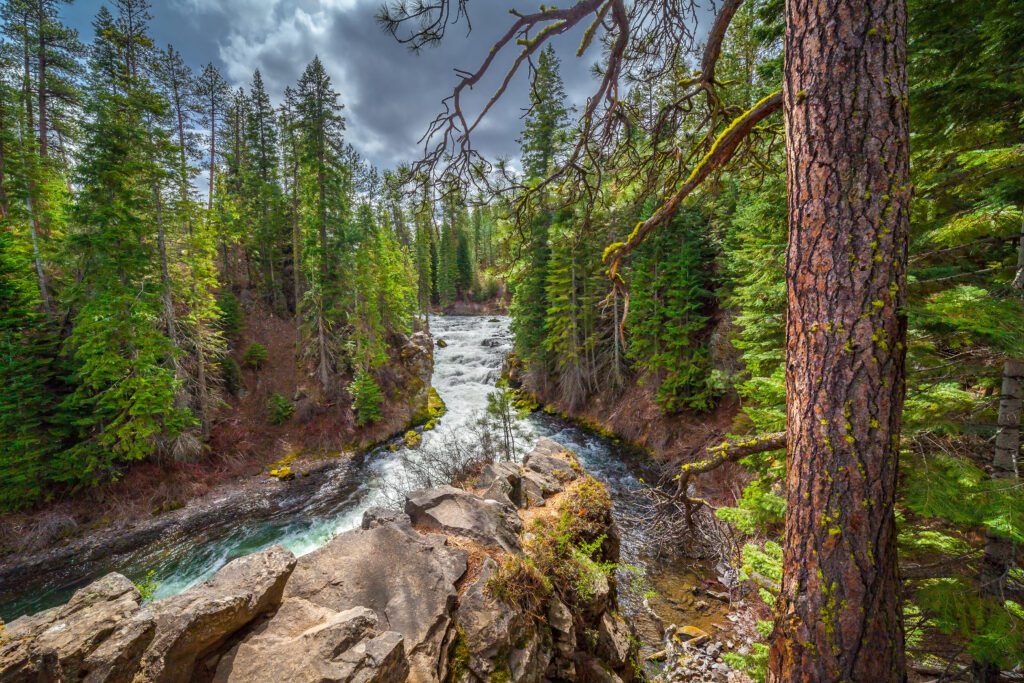
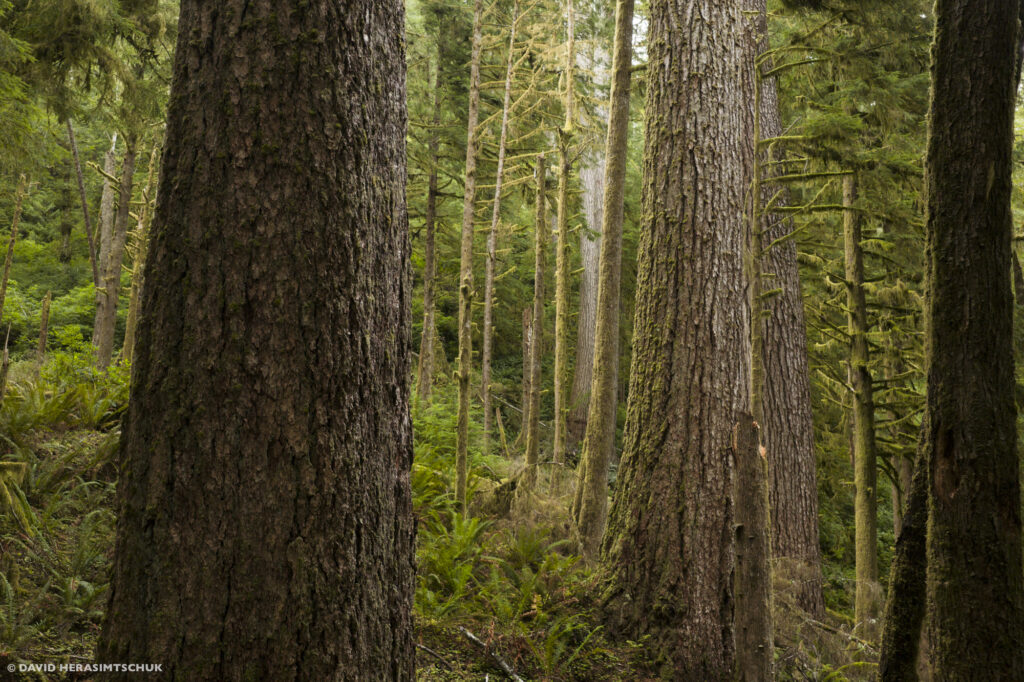
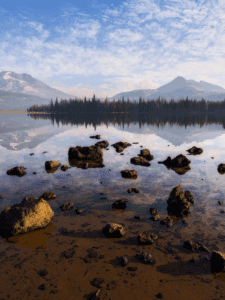
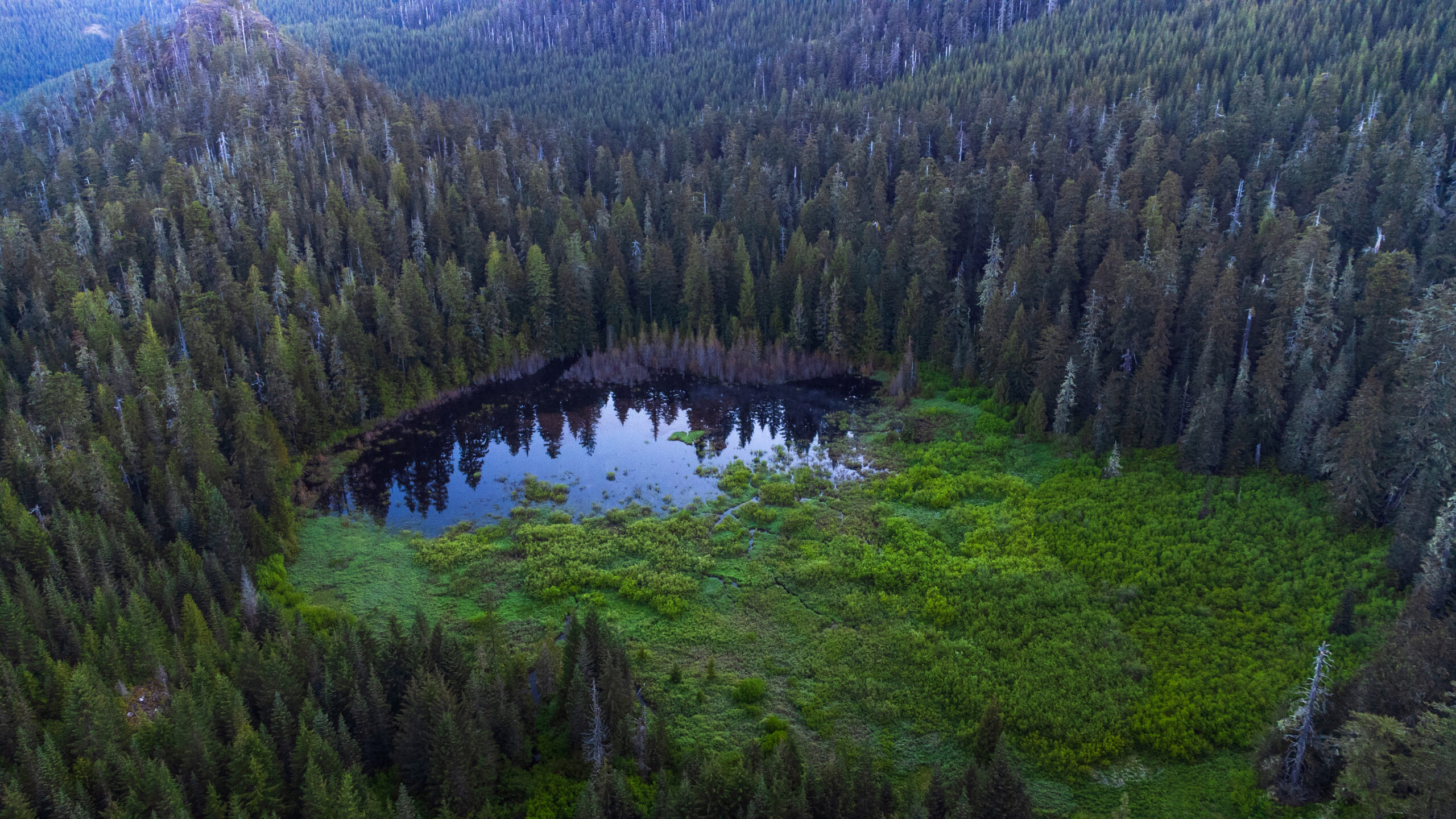
Across Oregon, ACEC designation helps protect some of the most iconic and important landscapes found on public lands. In eastern Oregon, they include places like Leslie Gulch and other canyonlands along the Owyhee River with rich cultural and geologic history, and the unique Alvord Desert ecosystem on the east side of Steens Mountain. In BLM-managed forests in western Oregon, they include pockets of old-growth temperate rainforests like in Valley of the Giants and Crabtree Valley, and salmon streams like the Nestucca River in the Coast Range.
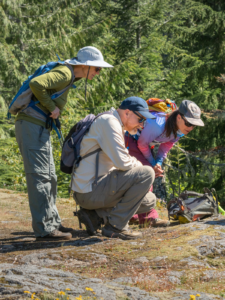
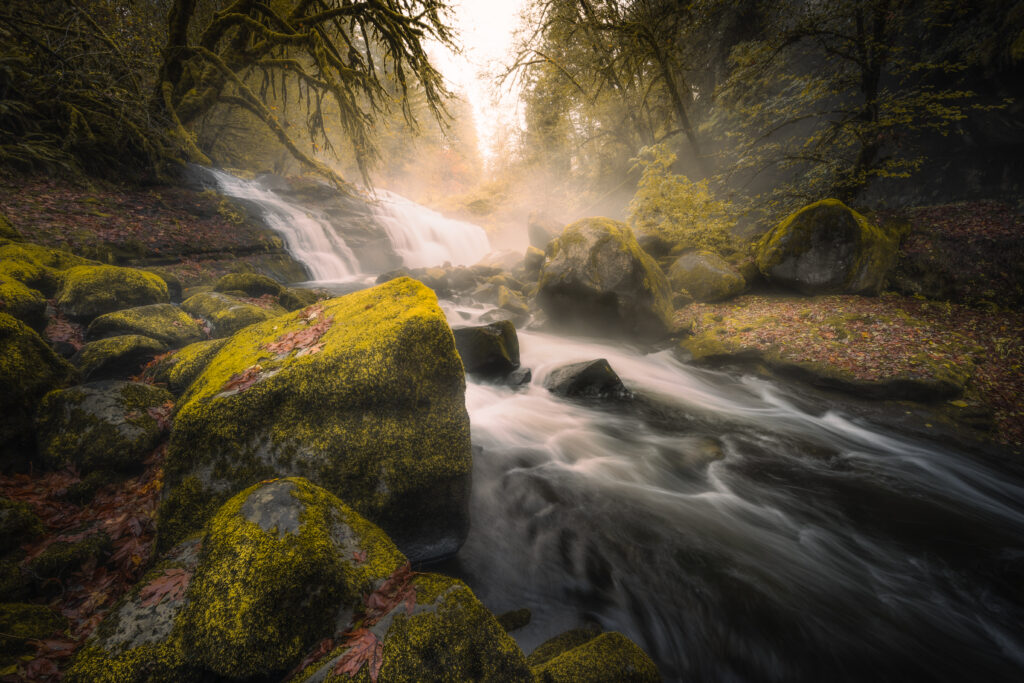
Many of the places most accessible and interesting to the public are ACECs. Ever travel through southern Oregon’s Illinois Valley? Maybe you stopped at Eightdollar Mountain or Rough & Ready Creek – roadside botanical wonderlands – and ACECs. Hiked up the geologic wonder of Table Rocks outside of Medford? That’s an ACEC too! Have you experienced salmon jumping at Lake Creek Falls in the Coast Range outside of Eugene? Worked hard to identify the many wildflowers blooming on Horse Rock Ridge in the Coburg Hills each spring? These special places are ACECs.
You get the point.
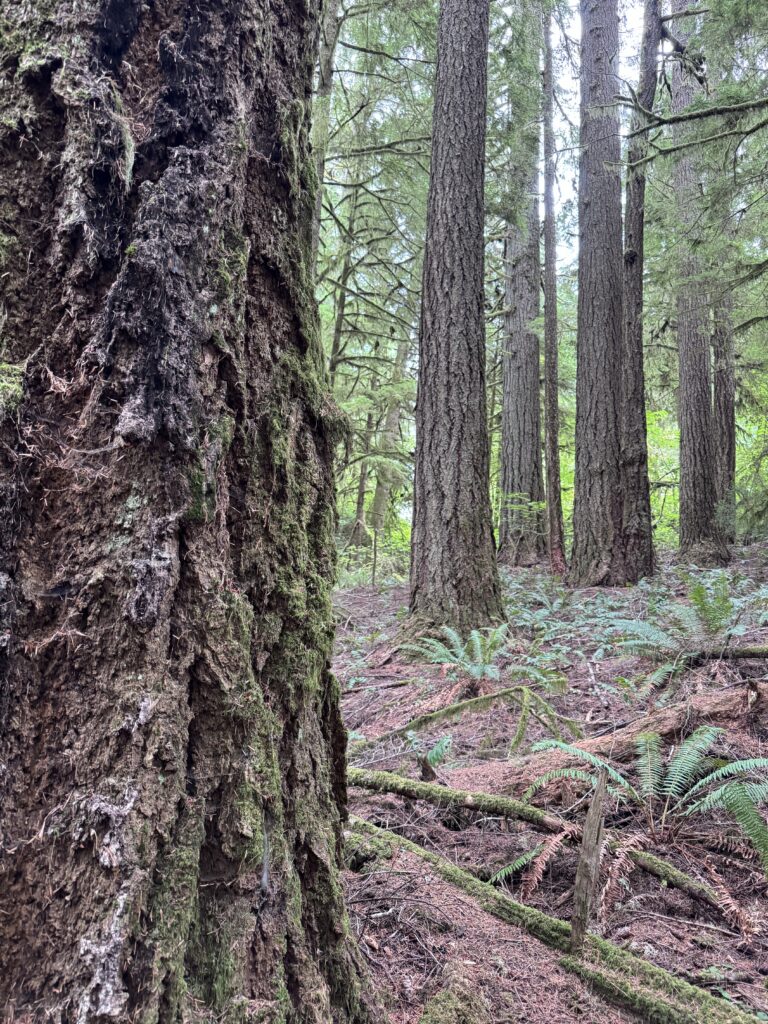
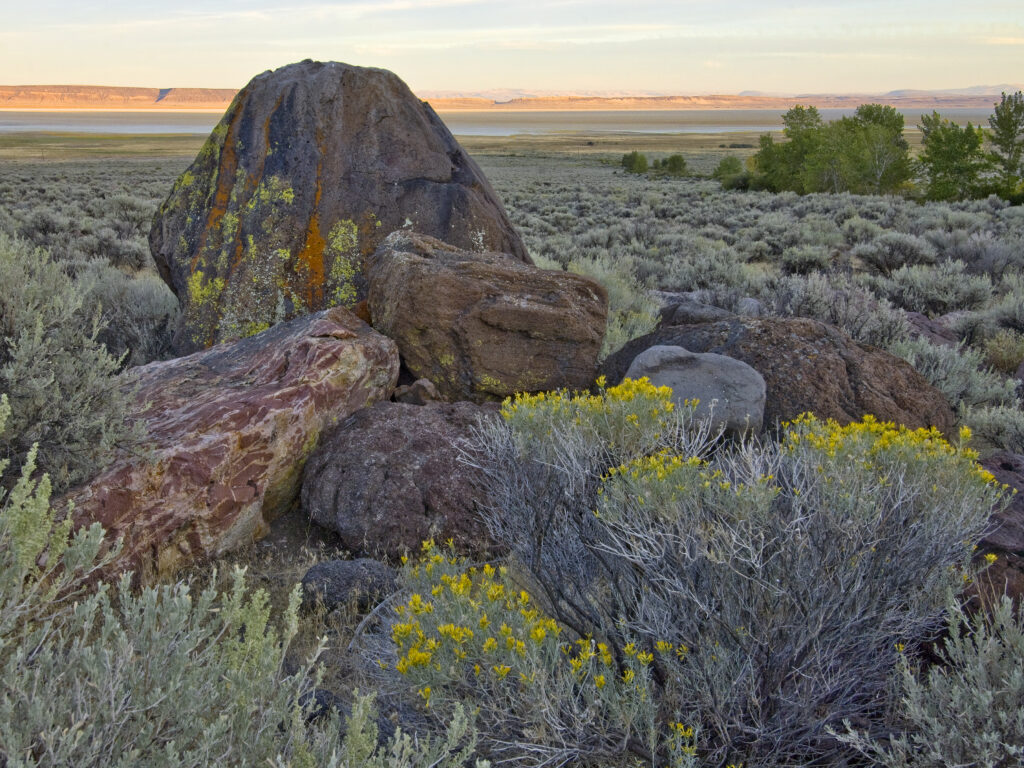
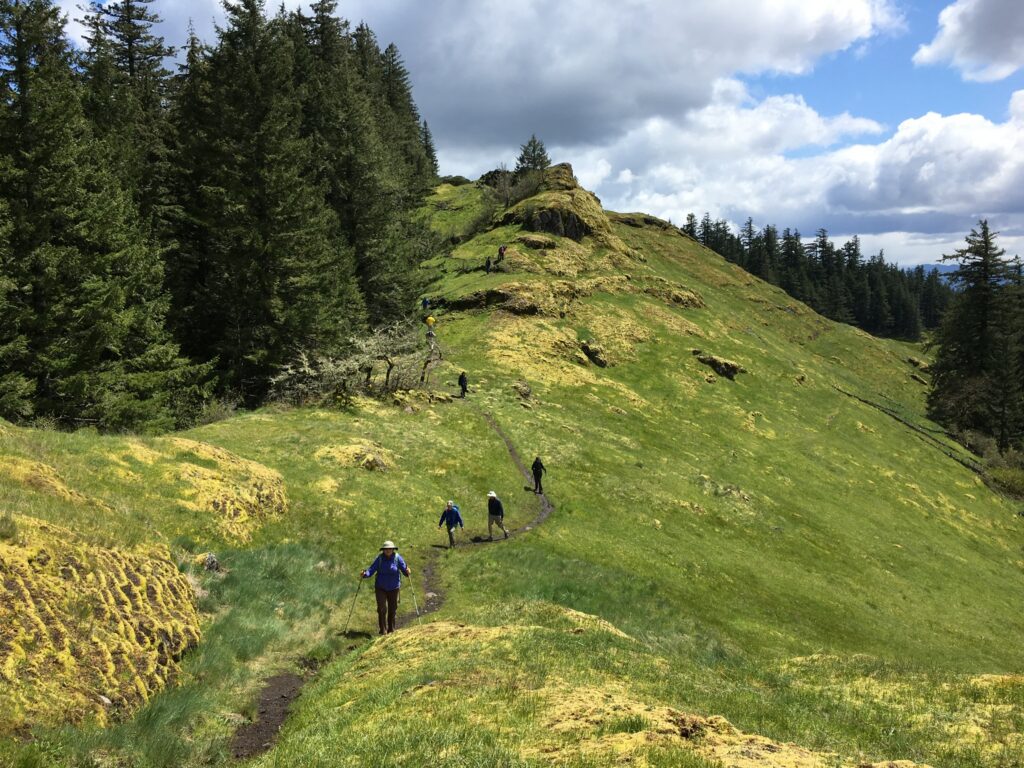
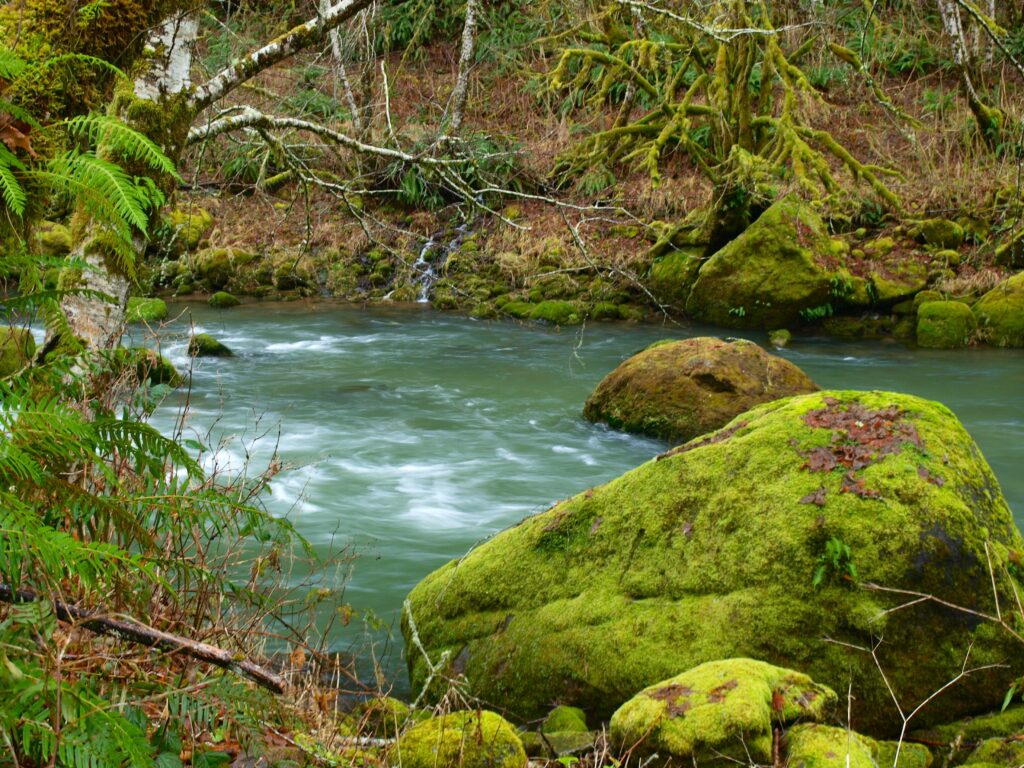
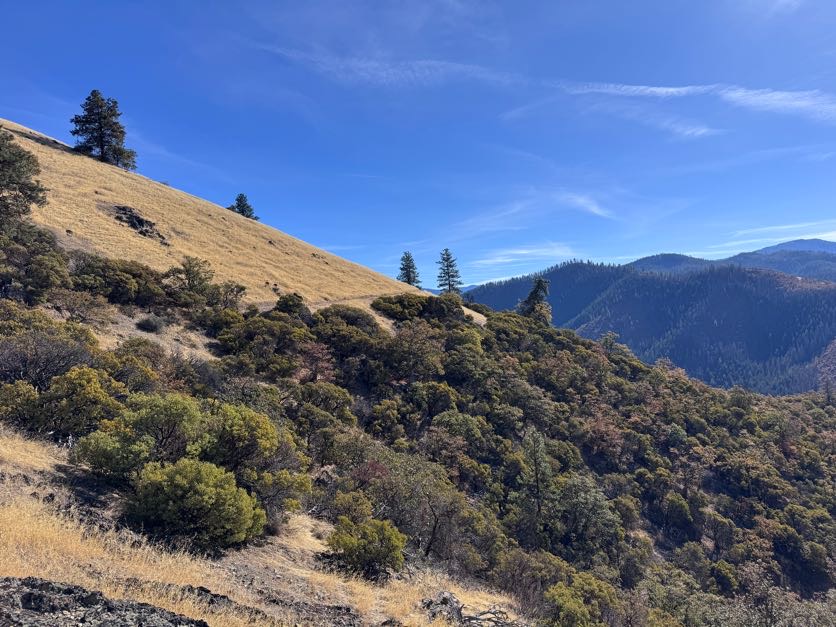
One of the tools available to the public through current BLM planning rules is the opportunity to have a say in designating, analyzing, and protecting ACECs. I learned first-hand about the power of this tool during the plan revision process for western Oregon BLM forests a decade ago. Working with people with local knowledge of the area, Oregon Wild staff successfully nominated and made a case for designating several ACECs that were ultimately included in the 2016 plan, including groves of old-growth forests spared from logging and invaluable to native species and local residents.
Oregon is not unique in hosting stunning landscapes and sensitive ecological areas on BLM-managed lands. Across the west, roughly 25 million acres of designated ACECs include places as diverse as the Taos Plateau of New Mexico, canyons adjacent to the Colorado River, and Mojave Ground Squirrel habitat in California. What many of these places have in common outside of their special natural and cultural values is that mining, grazing, oil and gas, and logging interests all want more access for development.
A new proposal by the Trump administration’s BLM could make it easier for these resource extraction interests to do just that. The rule rewrite would drop requirements for public notice and comment for ACEC designations, dictate that area boundaries cover the bare minimum for protecting important values, and give new power to BLM to make changes or eliminate ACECs without further review.
This proposal is the latest in a set of Trump administration changes that dramatically limit public involvement and make it easier for extractive projects to slip under the radar. Coupled with mandates to increase logging, mining, and energy developments, these proposed changes can mean lasting harm to millions of acres of special places.
We have time to oppose this proposal before it takes effect. Take action here to make your voice heard for BLM’s special places by January 11, 2027.