

Forest Service chooses 14-day comment period for logging project in the Wallowa-Whitman National Forest
By Jay Everett
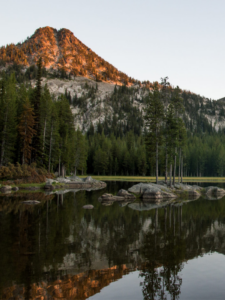
Since January of 2021, the Forest Service has been planning the “Sufferin’ Springs” Project. If finalized, the project would authorize 10,189 acres of commercial logging within the Wallowa-Whitman National Forest. That’s roughly 16 square miles, or about three times the size of LAX—right next to the Eagle Cap Wilderness.
Although the Forest Service has been contemplating the Sufferin’ Springs Project for several years, the Forest Service only allowed the public to comment on the draft Environmental Assessment within a two-week window that ended earlier this year in March. Oregon Wild was able to submit a comment within that short window, pointing out the potential adverse effects on wildlife and diversity. However, the Forest Service’s chosen time frame likely precluded interested members of the public from being able to voice their concerns.
This is just the latest in a series of actions by the Forest Service to hastily liquidate Oregon’s forests for wealthy interests and bypass the opportunity for public engagement.
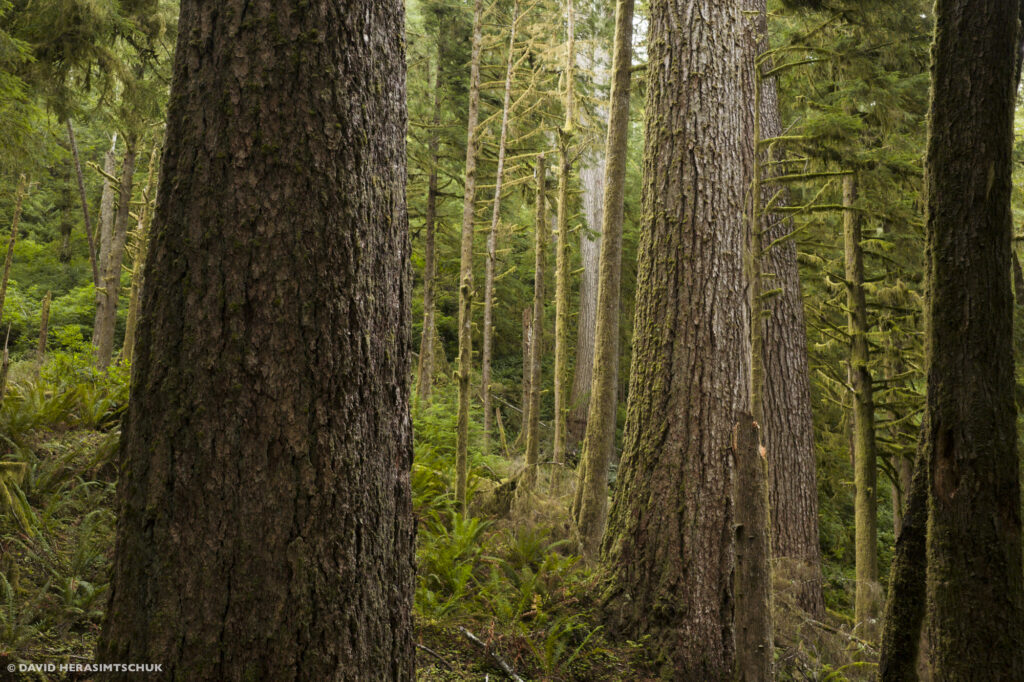
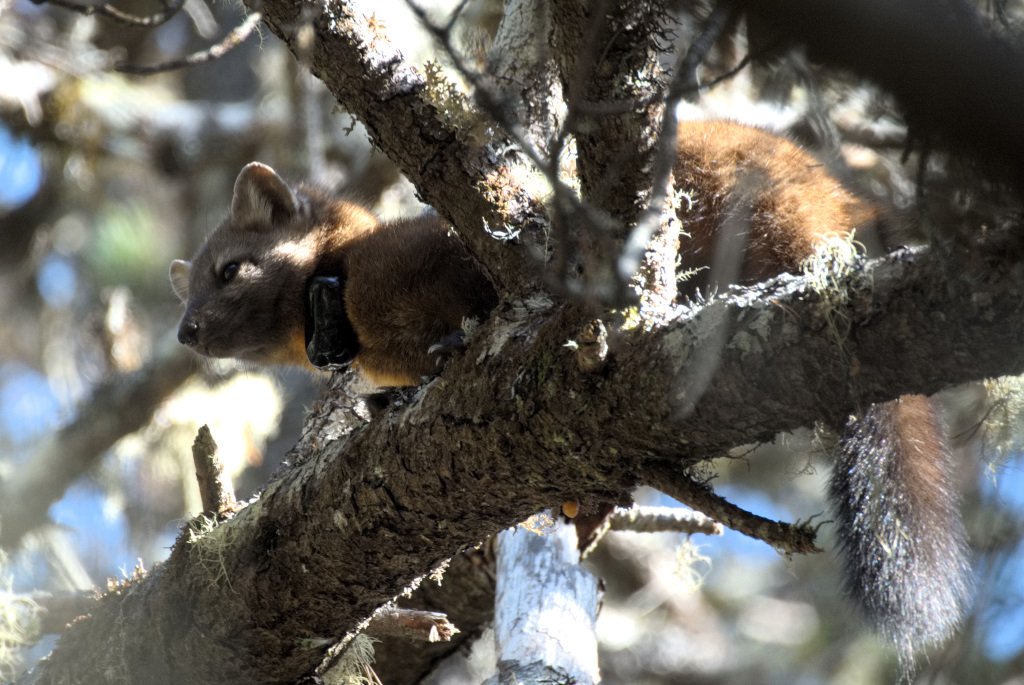
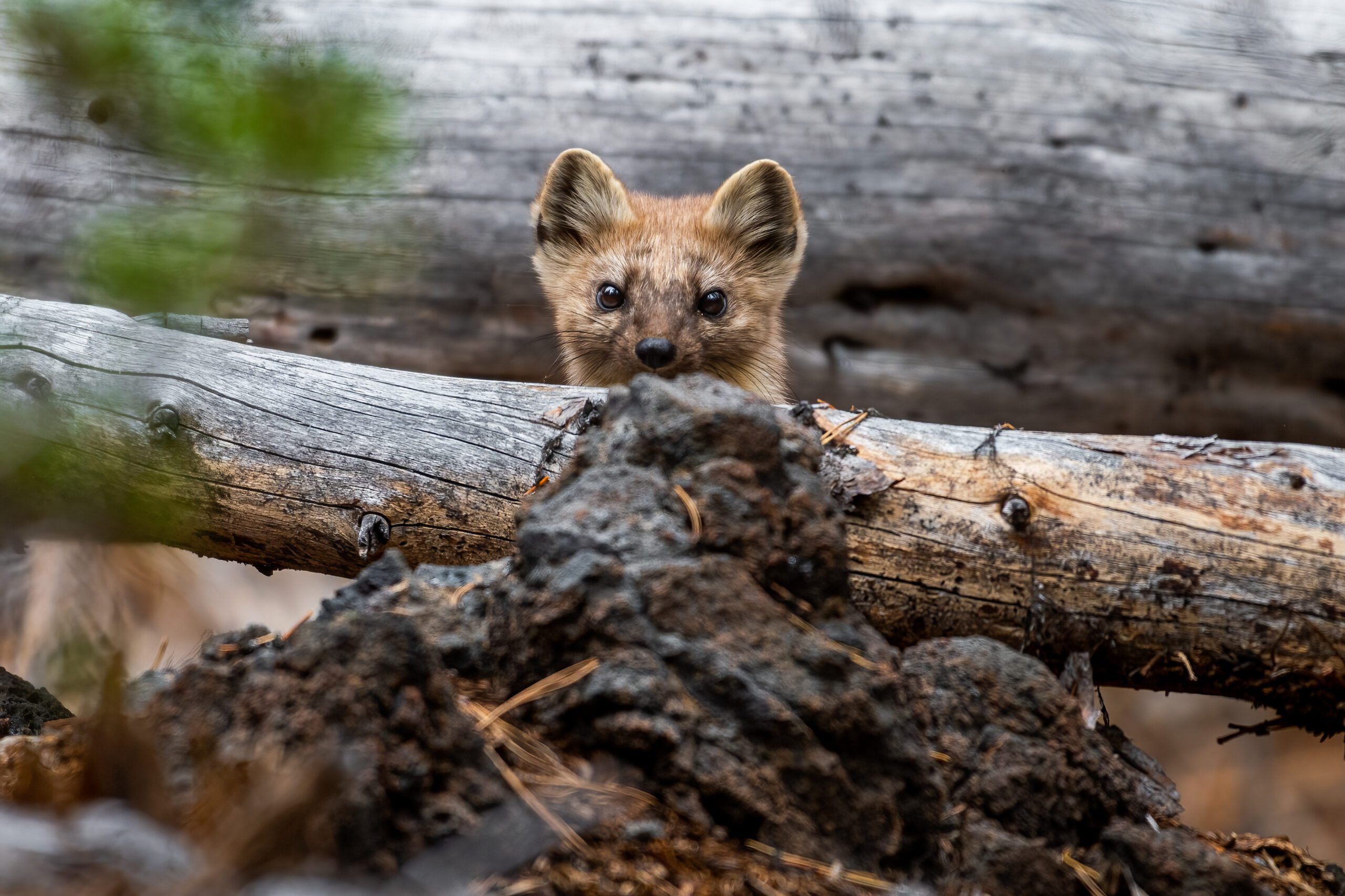
If realized, the Project would allow for the harvesting of large trees, and reduce dead wood habitat and forest density. These activities will directly and indirectly affect the viability of old-growth wildlife species such as goshawks, marten, and pileated woodpeckers (in that it will reduce and degrade these species’ habitat requirements, as well as habitat for their prey). Yet the Forest Service failed to analyze the extent to which these species will be affected—not just by this Project, but also in relation to the other projects in the Wallowa-Whitman National Forest.
Despite the intensity of the Project, the Forest Service chose to give the public only 14 days to comment on the Project’s Environmental Assessment—a document over 400 pages long. Allowing the public to review and comment on an environmental assessment is standard procedure for any forest management activity, and is meant to be an opportunity for the public to scrutinize the Forest Service’s methodologies and determinations, voice its concerns, or ask the Forest Service to look at different science or take an alternative approach. But 14 days is barely enough time for an organization like Oregon Wild to analyze the draft EA and provide comment, let alone any concerned member of the public—including the nearby residents in the Medical Springs Community, where the project has been a topic of concern.
Indeed, 14 days is likely not enough time to allow for concerned citizens to merely read the 400-page assessment, much less submit a thoughtful comment. This short comment period signals to the public that the Forest Service does not care about meaningful public participation, even though the law requires such engagement.
The Forest Service justified the 14-day comment period by determining that there is a “Fuels and Forest Health Emergency” warranting expedited action. But, rather tellingly, although the Forest Service could have declared an emergency anytime after November 2021 (and had been contemplating the Project for even longer), it did not declare an emergency until June 2025. This puts into question whether a genuine emergency exists, and more likely reflects the Forest Service’s intention to find any means to skip the public participation process and ignore criticism.
The Sufferin’ Springs Project is just one of many Trump administration actions threatening the ecological integrity of Oregon’s forests, rivers, deserts, mountains, and plains. The Trump administration’s explicit intent to hastily exploit our public lands to benefit the wealthy is anti-democratic and will be at the expense of Oregon’s ecological integrity and natural beauty, habitat for endangered species, biodiversity, clean water, and recreation.
With enough pressure, the agency could be convinced to reopen the project and allow the public more time to engage and comment. You can email the District Ranger and politely ask that the comment period be reopened.
If you would like to learn more about how the Trump administration is attacking our public lands—and how Oregon Wild is fighting back (and how you can too)—then check out our report, “Trump 2.0: Looting Oregon’s Treasures,” and consider sharing it with a friend.
Photo by Cody Clark