
“It’s clear why the Trump administration would try to hide its own analysis from the public.”
| Contact: Sami Godlove, Oregon Wild sg@oregonwild.org |
BEND, OR — Last week, US Department of Agriculture Secretary Brooke Rollins announced the Trump administration’s continued proposal to eliminate the 2001 Roadless Area Conservation Rule. This public lands rule currently protects roughly 45 million acres nationally and 2 million acres in Oregon from roadbuilding and development. At the time of the announcement, the administration had not published the Federal Register notice or the draft Environmental Impact Statement (DEIS) that discloses the analysis of the proposed action to the public.
The Federal Register Notice and DEIS were published later, independently of the press announcement, and include analysis on recreation, wildlife, drinking water, and fire risk that undermine the administration’s arguments.
“It’s clear why the Trump administration would try to hide its own analysis from the public,” said Sami Godlove, Central Oregon Field Coordinator for Oregon Wild. “They admit it will cause a loss of millions of dollars to our recreation economy, threaten drinking water and wildlife, and potentially even increase fire risk. They’re trying hard not to let the facts, or the overwhelming public support for protecting Roadless Areas, get in the way of looting public lands.”
According to the Trump administration’s analysis, eliminating the Roadless Rule would:
Cause a Loss in Recreation and Visitor Spending: The administration estimates that eliminating the Roadless Rule would degrade roadless areas and backcountry access to millions of acres, resulting in a loss of $9 million in annual visitor spending in local communities.
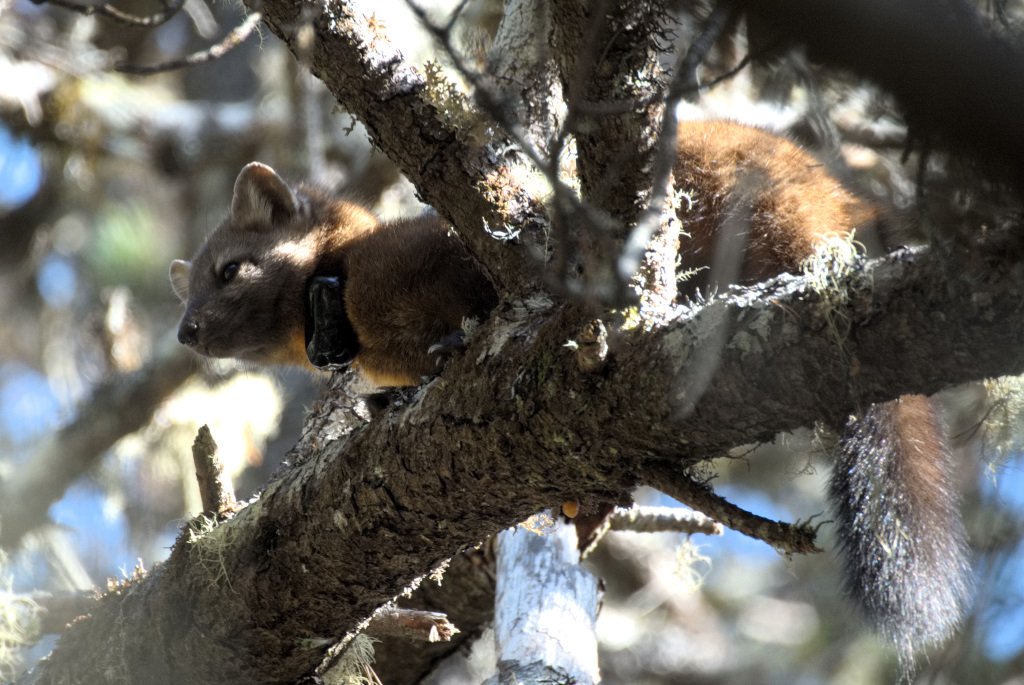
Imperil Wildlife: Eliminating the Roadless Rule would “adversely affect” 327 threatened and endangered species and 71 designated critical habitats for these species. In Oregon, this includes listed species such as Bull trout, Chinook salmon, Chum salmon, Coho salmon, Marbled murrelet, Northern spotted owl, Oregon silverspot butterfly, Oregon spotted frog, Sierra Nevada red fox, and steelhead, among others.
Threaten Water Quality: According to the DEIS, “… inventoried roadless areas typically have good water quality due to limited disturbance,” and “Road construction and native surface forest roads are the largest source of sediment related to timber harvest operations, and sediment delivered to surface waters is a major source of water quality degradation.” Communities like Bend, Eugene, La Grande, Ashland, and others in Oregon receive drinking water from watersheds fully or partially within IRAs.
Spread Invasive Species: The DEIS states that increased road construction and timber harvest are likely to “introduce and spread invasive plant species due to ground disturbance.” Invasive plants tend to be more flammable, leading to higher wildfire risk, and can outcompete native plant species.
Undermines Tribal Interests: During the legally required Tribal consultation process, the administration found that “the majority sentiment among Tribal governments consulted is opposition to the proposed rescission.” Its analysis concedes that timber harvest and road construction in these areas “could have long-term negative effects on Tribal rights and interests.”
Could Increase Fire Risk: The administration admits “Road density is linked to human-caused wildfires, and as the density of roads increases so does the probability, number, and frequency of wildfire ignitions.” Recent studies have found that fires are 4 times more likely to start near a road than in a roadless area. Earlier this year, nearly 120 current and former wildland firefighters sent a letter to Congress defending the Roadless Rule.
Add to Infrastructure Backlog: According to the DEIS, the Forest Service could build new roads across 18.2 million acres (44.5% of current IRAs) in the short term. This would significantly inflate the deferred maintenance backlog, which is already over $6.9 billion.
Oregonians can submit their comments now through Oregon Wild to be delivered during the official comment period, or through Regulations.gov until September 21, 2026.
Oregon’s Roadless Wildlands
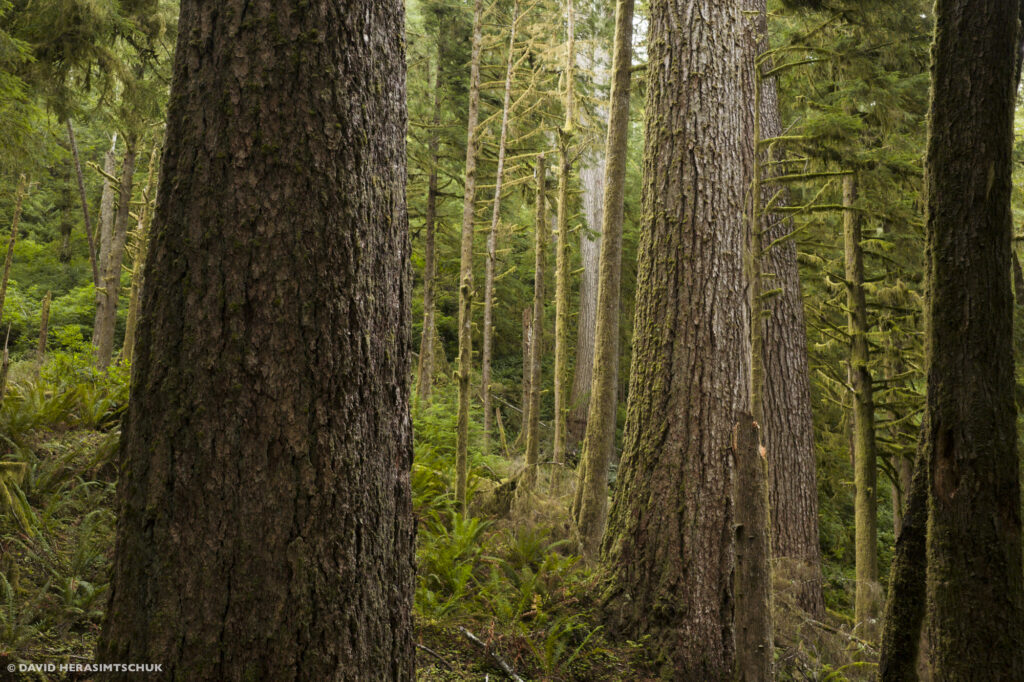
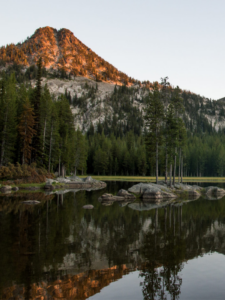
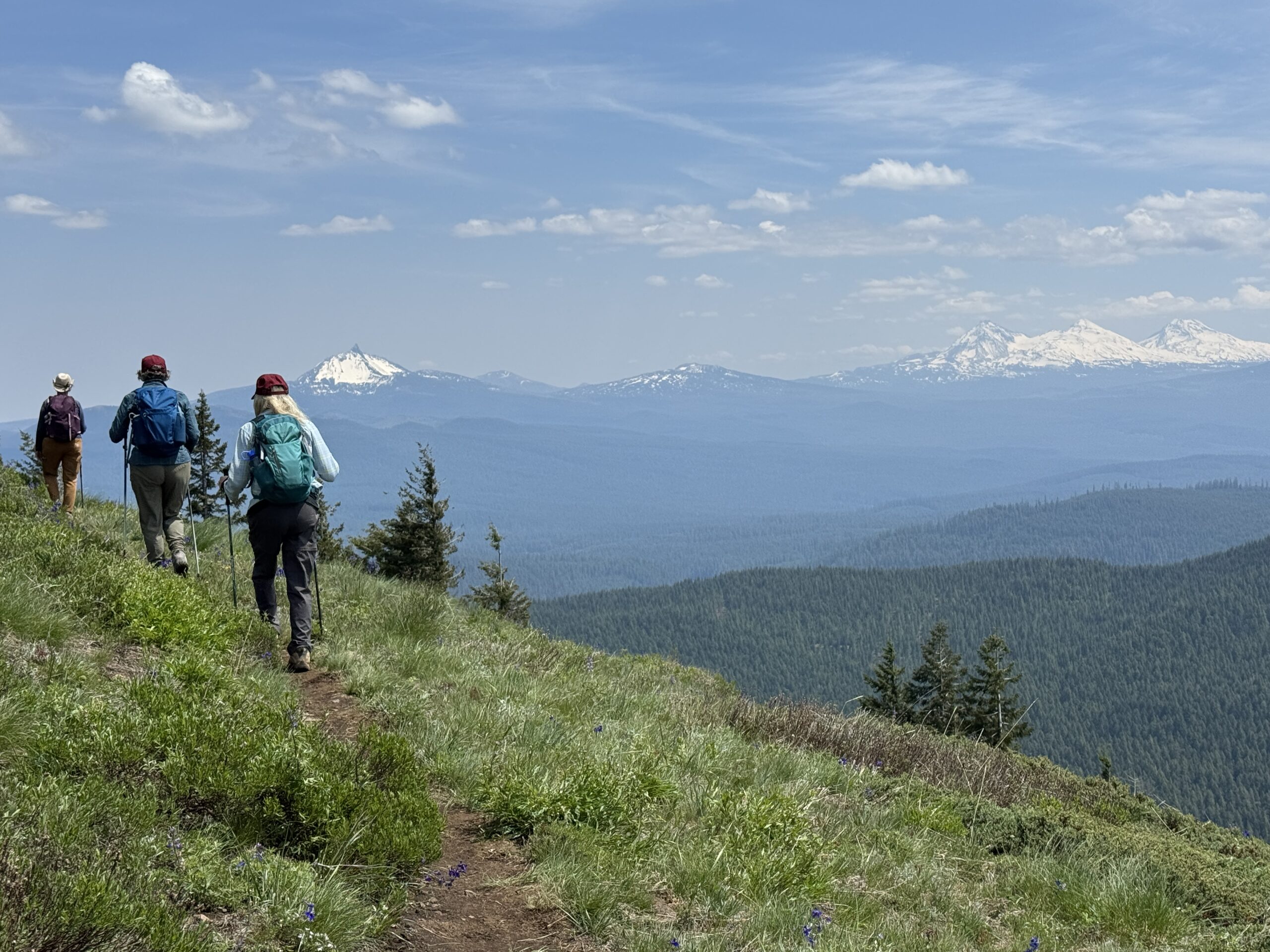
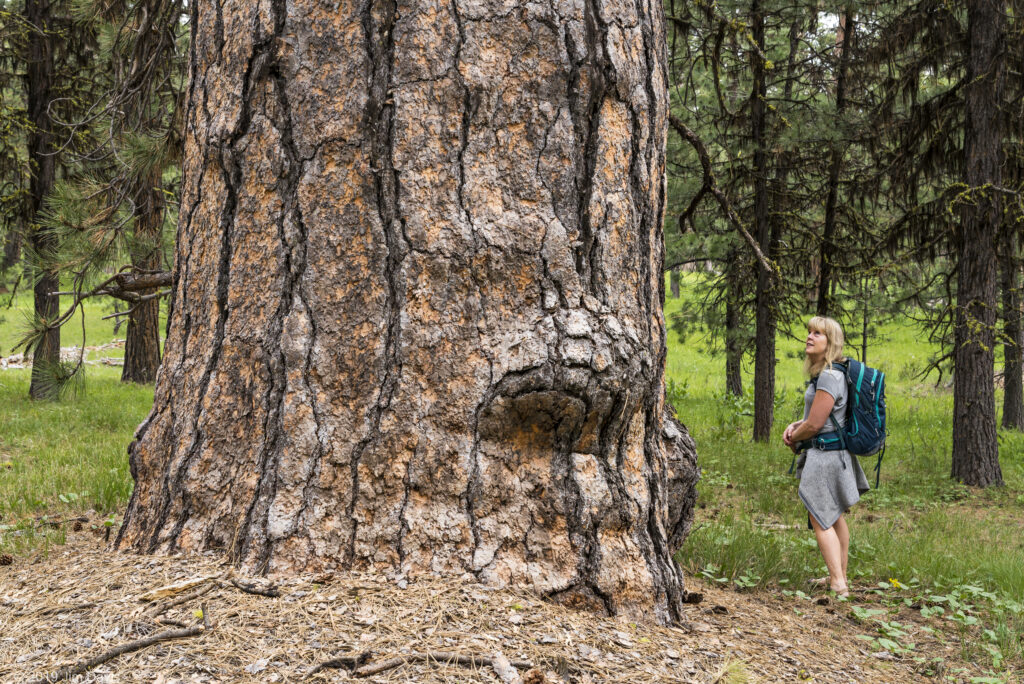
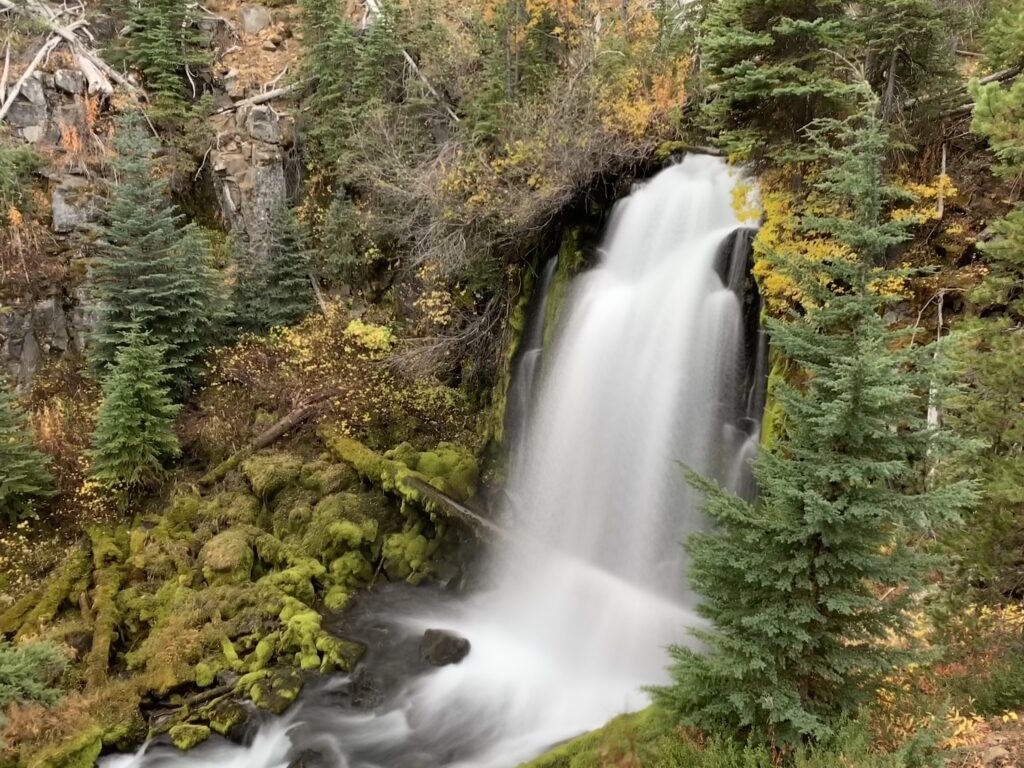
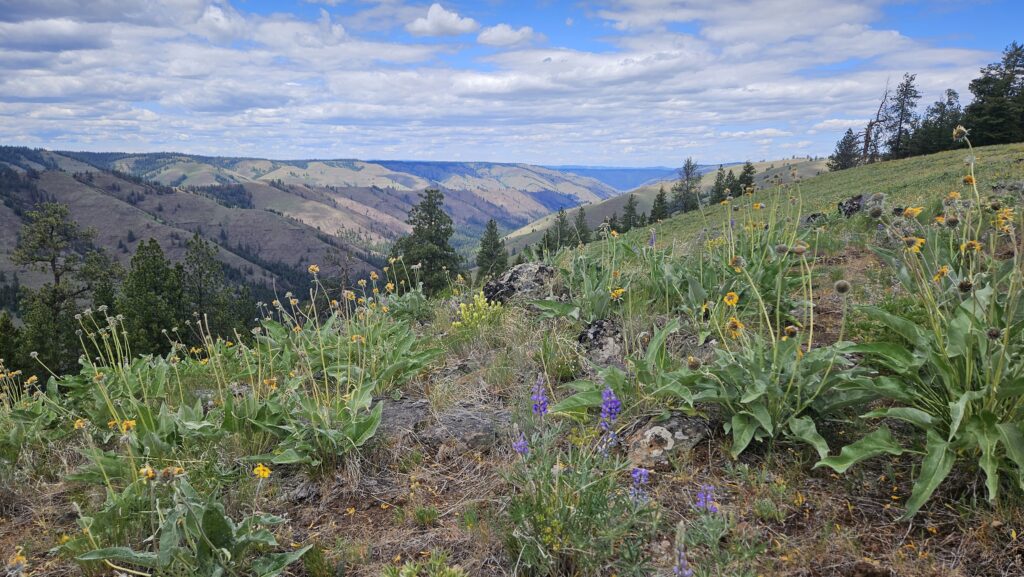
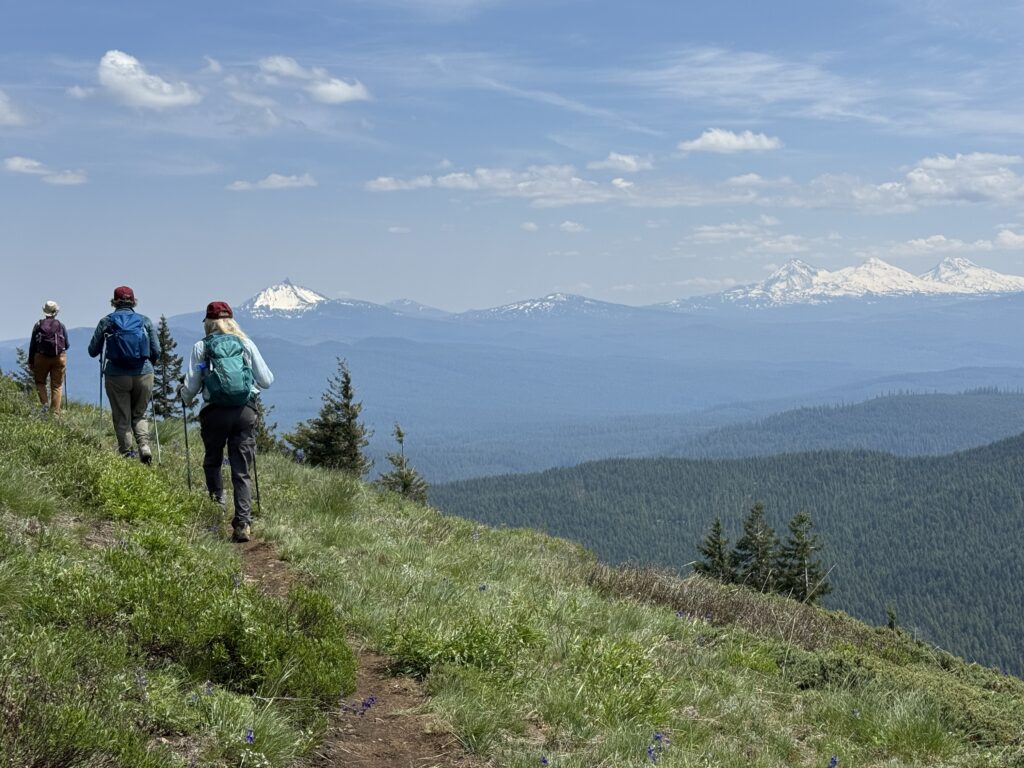
Oregon’s roadless forests are among our state’s most spectacular and irreplaceable landscapes. From the flower-studded meadows of Iron Mountain in the Willamette National Forest, to the dramatic canyons and cultural homelands of the Nez Perce Tribe in Joseph Canyon, to the clean drinking water flowing from Tumalo Mountain into the taps of more than 100,000 people in Bend, these places embody the best of Oregon’s natural and cultural heritage. They also sustain recreation economies and wildlife habitats.
Other iconic areas include Lookout Mountain in the Ochocos, where diverse forests and meadows form the headwaters of critical streams; Rough & Ready Creek, a unique botanical wonderland threatened by mining in southwest Oregon; and Larch Mountain, a lush old-growth haven just minutes from Portland. These and dozens of other roadless areas across Oregon safeguard clean water, biodiversity, cultural values, and recreation opportunities that are impossible to replace once lost.
Learn more about the Roadless Rule and Oregon Roadless Areas here.