
New analysis finds over 99% of the comments support the Roadless Rule
| Contact: Erik Fernandez, Oregon Wild ef@oregonwild.org Lace Thornberg, Central Oregon LandWatch lace@colw.org Grace Brahler Newsome, Cascadia Wildlands grace@cascwild.org |
Bend, Ore., – The U.S. Department of Agriculture has concluded a public comment period on the Trump administration’s plan to rescind the popular Roadless Area Conservation Rule. Known as the Roadless Rule, this landmark policy protects approximately 44.7 million acres of National Forest lands, including nearly 2 million acres in Oregon. In August, the Trump administration published its proposed rule to fully rescind the rule, along with a draft Environmental Impact Statement (DEIS).
Over one million public comments, from postcards and petitions to multi-page technical comments and personalized letters, were submitted in support of keeping Roadless protections during the 45-day comment window. A just-released analysis by the Center for Western Priorities of the comments currently available on Regulations.gov found that 99.1% of the comments oppose the Trump administration’s plan. Many national environmental organizations submitted comments in bulk in the final days of the comment period, so they weren’t visible on Regulations.gov for the analysis. The final percentage of comments in favor of maintaining the Roadless Rule is likely even higher than 99%.
A coalition of Oregon conservation organizations, including Oregon Wild, Bird Alliance of Oregon, Cascadia Wildlands, Central Oregon LandWatch, Firefighters United for Safety, Ethics, and Ecology (FUSEE), Klamath-Siskiyou Wildlands Center, Native Fish Society, Oregon Sierra Club, and Western Environmental Law Center led comment-writing workshops and other events leading up to the comment period, which helped generate thousands of unique public comments from Oregonians.
The Trump administration’s own analysis warned that removing Roadless Rule protections would cost millions of dollars to be lost from the recreation economy, threaten drinking water, imperil fish and wildlife, undermine Tribal sovereignty, spread invasive species, and increase fire risk.
Thirteen Oregon organizations also sent a letter to the Department of Agriculture and Forest Service requesting an extension of the comment period, noting that when the Roadless Rule was originally adopted in 2001, it followed public comment periods that lasted over 129 days in total. Midway through the comment period, the administration extended it from 30 days to 45 days.
This outpouring of support for the Roadless Rule echoes the Trump administration’s first comment period on the proposal in September 2025. In a remarkably short, 3-week comment period, over 600,000 Americans submitted public comments, with over 99% in support of keeping the Roadless Rule in place.
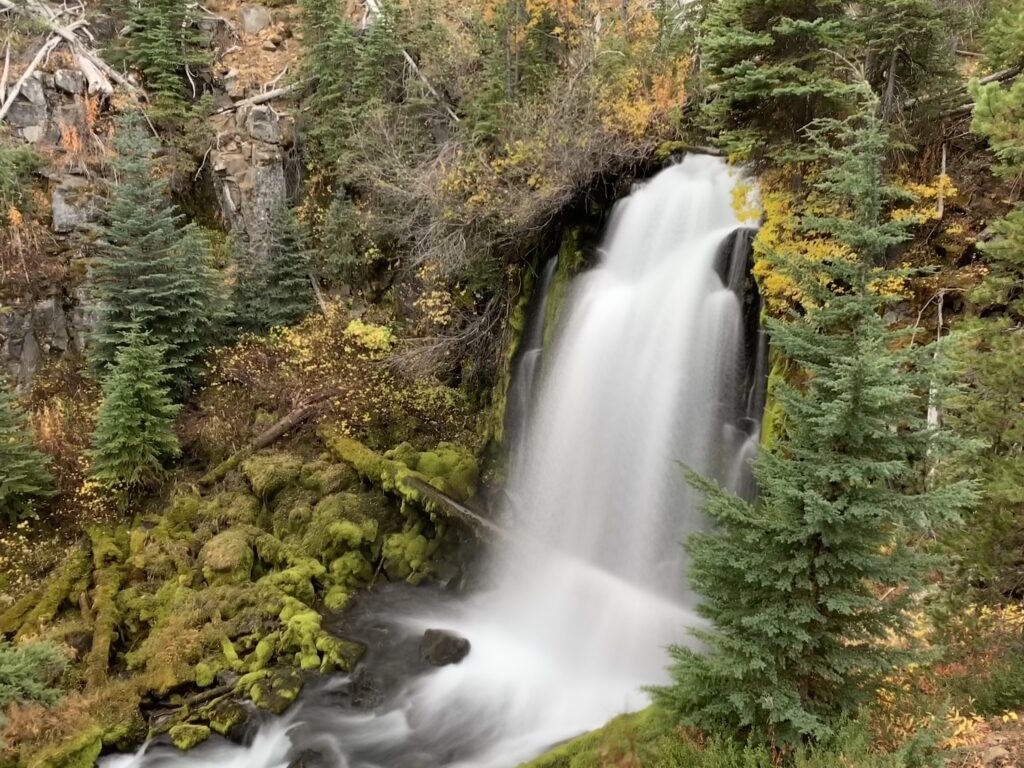
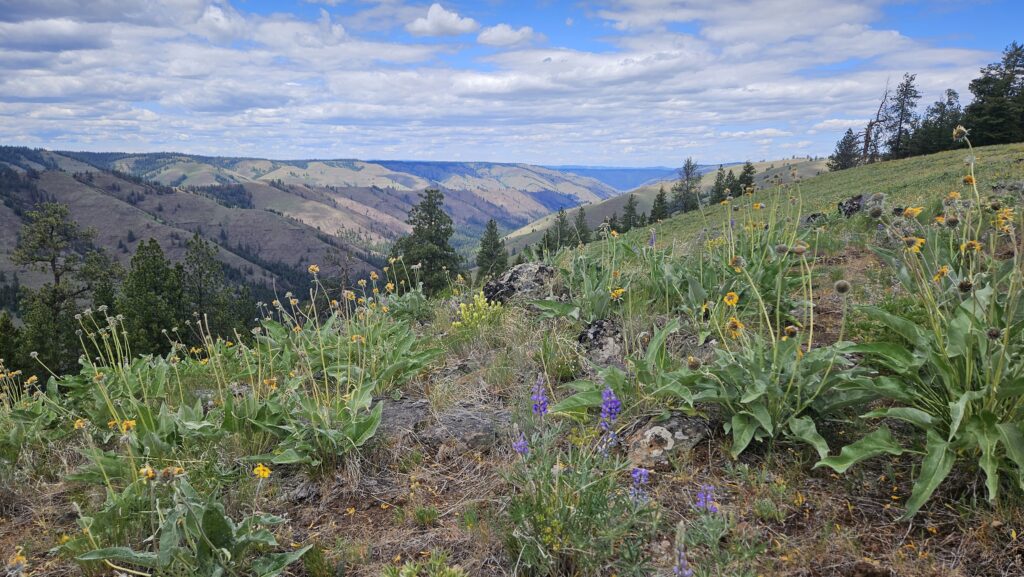
“Roadless Areas are vital to ecosystems, public health, and livelihoods in Oregon,” said Erik Fernandez, Wilderness Program Manager at Oregon Wild. “They include some of the state’s most spectacular and irreplaceable landscapes. From the flowery meadows of Iron Mountain in the Willamette National Forest, to the dramatic canyons and cultural homelands of the Nez Perce Tribe in Joseph Canyon, to the headwaters of Tumalo Creek that supply drinking water to more than 100,000 people in Bend, these places embody the best of Oregon’s natural and cultural heritage.”
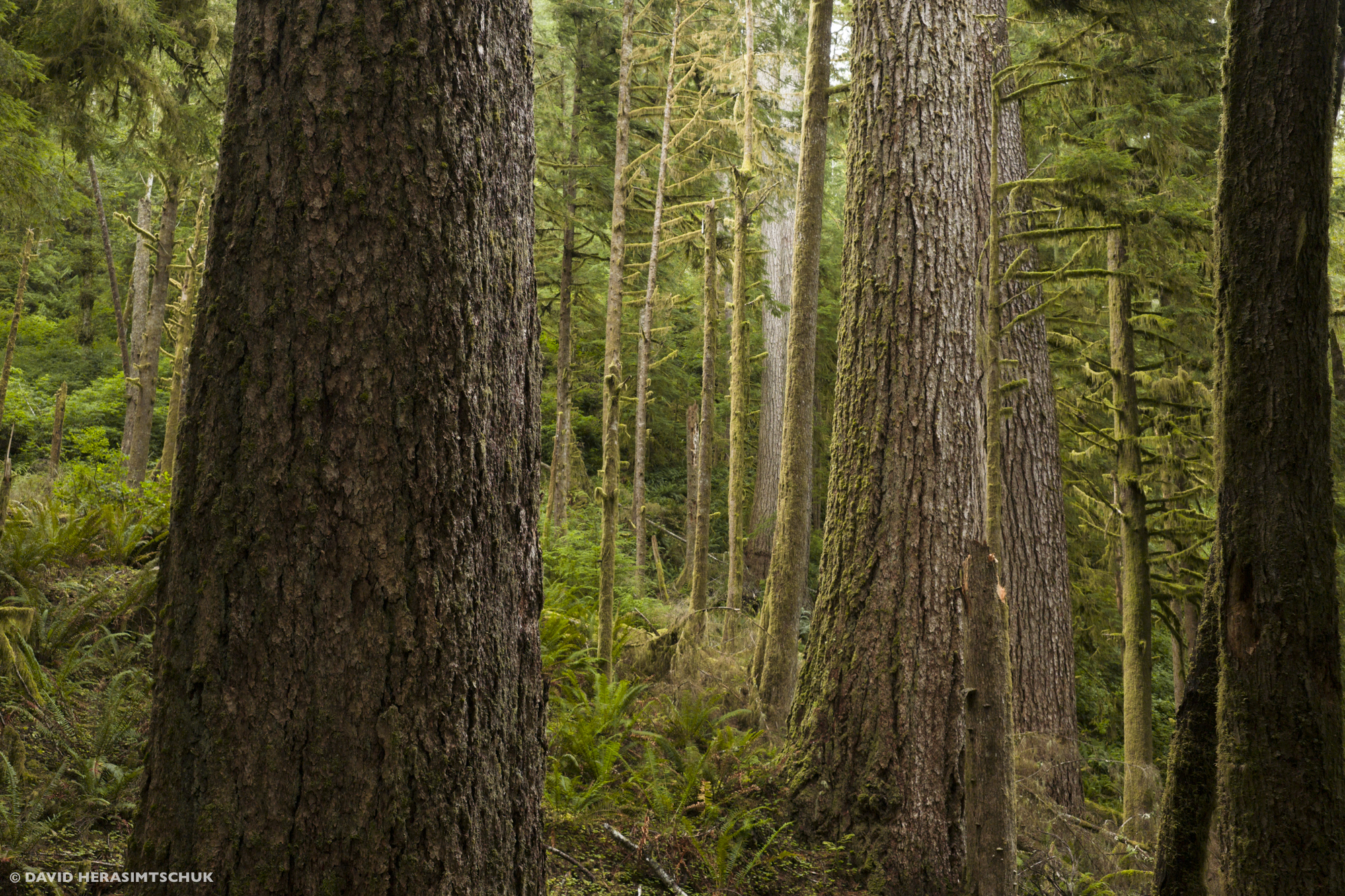
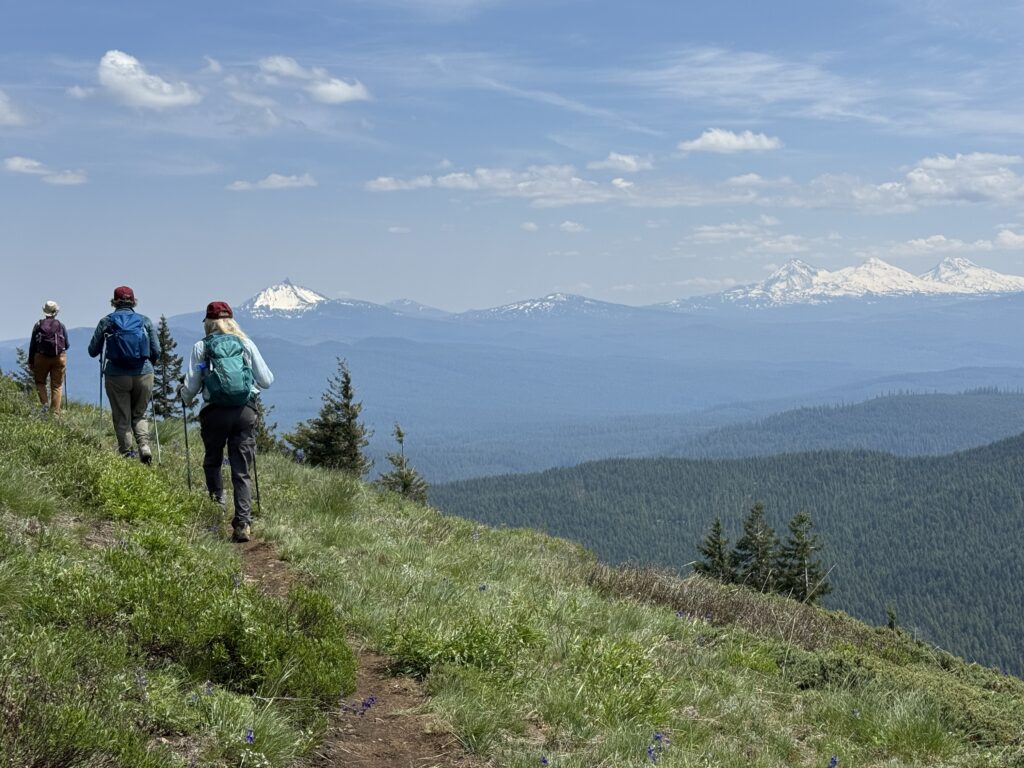
Other notable Roadless Areas include Lookout Mountain in the Ochocos, Rough and Ready Creek in southwest Oregon, and Larch Mountain near Portland. The Roadless Rule is credited with safeguarding biodiversity, cultural values, drinking watersheds, and recreation opportunities.
“Droves of scientists, wildland firefighters, members of Congress, Tribal Nations, and folks across the country have made it clear the Roadless Rule should remain in place,” said Grace Brahler Newsome, Wildlands Director with Cascadia Wildlands. “This reckless move by the anti-public lands Trump administration is a blatant handout to logging and drilling interests at the expense of clean water, wildlife, and local communities.”
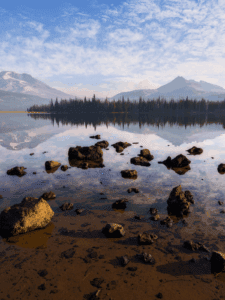
“The Roadless Rule doesn’t just protect trees in the forest; it safeguards our drinking water, maintains wildlife habitat, and limits fire risk,” said Fiona Noonan, Wild Lands & Water Program Manager at Central Oregon LandWatch. “Roadless areas make Central Oregon such an incredible place to be; they’re the backbone of a great ski day on Tumalo Mountain, an epic view from Sparks Lake, or a stunning hike up Lookout Mountain.”
Over 50 Oregon businesses have voiced their support for keeping the current Roadless Rule. In a letter to the Oregon Congressional Delegation urging protections for special places, the businesses note: “Oregon’s businesses rely heavily on public lands, clean water, healthy watersheds, and intact forests.”
“Roadless forests are some of the last truly wild places we have, and protecting them matters for our environment, our communities, and even our local businesses,” Ryan Still, co-founder of Lazy Days Brewing Co. in Portland, said. “Clean water and healthy ecosystems are essential to brewing, but they’re also part of what makes Oregon feel like home.”
(See additional quotes from business supporters below)
In the Trump administration’s own analysis of the proposal, it discloses that repealing the Roadless Rule would cost millions in lost recreation spending, imperil wildlife, threaten drinking water, and increase fire risk in backcountry forests. An analysis of the DEIS shows how, in the administration’s own words, rescinding the Roadless Rule would harm forests in Oregon and beyond.
“For salmon, steelhead, trout, and other native fish already pushed to the margins by dams, habitat degradation, and a warming climate, unfragmented roadless areas provide some of the best remaining cold, clean, connected waters that these species depend on,” said Alex Hardison, Conservation Campaign Manager for Native Fish Society
A bipartisan letter signed by 164 members of Congress also condemned the Trump administration’s attacks on the Roadless Rule and lack of meaningful public engagement. The letter demanded that the administration abandon its proposal to rescind the Roadless Rule. Led by Oregon Congresswoman Andrea Salinas, the letter was also signed by six other members of the Oregon Congressional delegation, including Senators Ron Wyden and Jeff Merkley, and Representatives Janelle Bynum, Suzanne Bonamici, Maxine Dexter, and Val Hoyle.
Most of Oregon’s Congressional delegation have also signed on in support of the Roadless Area Conservation Act (RACA), legislation that would make the Roadless Rule permanent. The only two members who have not yet cosponsored the bill are Representative Val Hoyle and Representative Cliff Bentz.

Business Quotes of Support
“Protecting roadless forests on public lands is vital to preserving valuable habitat for the fish my business relies on.” – Chris Daughters, owner of the Caddis Fly Shop in Eugene.
“I believe conserving Roadless Areas conserves Oregon’s ethos. Roadless Areas are good for everyone, from the flora and fauna, to hunters and hikers, to anyone who desires clean water and clean air. We must fight to keep Oregon’s pristine forests roadless and untouched.” – Megan Kellner-Rode, co-owner of Boundless Farmstead, outside of Bend.
“Wild forests provide us with not only clean water, abundant wildlife, and world-class recreational opportunities, but are a critical part of local cultural heritage. We named Blossom Barn Cidery after Blossom Bar rapid on the Wild and Scenic Rogue River.” – Jeremy Hall, owner of Blossom Barn Cidery near Grants Pass.
“Bend is well-known for being home to many amazing breweries, all of which rely on a clean water source as the most essential ingredient in the beer we make. Protecting Roadless Areas is a priority we take seriously in order to make sure this precious resource is not compromised.” – Bryon Pyka, Terranaut Beer owner and brewer in Bend.
“Outdoor recreation directly benefits our business by promoting tourism and recreation that is made possible by the roadless lands in the Sisters area. Many of our customers stop to get a coffee or breakfast on their way to do outdoor activities in the area.” – Jesse Durham, co-owner of Sisters Coffee Company.
“It is vital to protect natural resources for all of our citizens who enjoy the benefits of the natural world that surrounds us. Whether you are a hiker or hunter, bird watcher or angler, we all know the places where we connect to nature are too valuable to lose to corporations for exploitation.” – Jeffrey Perrin, owner of The Fly Fisher’s Place in Sisters.
“Outside of designated Wilderness, roadless areas are the last truly wild places in our national forests. They deserve to be managed for wildlife, clean water, and recreation — not carved up for short-term profit.” – Sarah Cuddy, owner of Wallowa Llamas in Baker City.
“For our communities to thrive and be sustainable, we must protect our natural areas to conserve watersheds and ensure clean water. Continuing to protect designated roadless areas promotes sound land management and cleaner water.” – Matt Swihart, Manager and Brewmaster of Double Mountain Brewery and Cidery in Hood River.
“Roadless Areas are one of our most important wildlife habitat areas on our public lands. They are as important as Wilderness in providing clean drinking water to dozens of Oregon communities, and security for wildlife.” – Karl Findling, owner of Oregon Pack Works in Bend.