

At the behest of logging industry lobbyists – including the now-head of the US Forest Service, who used to run a commercial logging company – the Trump administration has initiated a raft of proposals to strip protections, accountability, and transparency from public lands management. Whether it’s demonizing professional staff, shrinking public comment windows, or skipping over scientific analysis entirely, the end goal is public lands that are looted for industries like logging and gas development (and coming soon: data centers!), while taxpayers are left with degraded landscapes and cleanup costs.
One of the most contentious of these schemes is the proposed elimination of protections across roughly 45 million acres of public lands currently safeguarded by the Roadless Rule.
The Roadless Rule, which has protected these public lands from development and exploitation, is exceptionally popular. The initial comment period solicited an astonishing 99% opposition to eliminating the rule!
But special interests paid for the elimination of public lands protections with campaign contributions and political support. They aren’t willing to let a little thing like nearly unanimous public opposition stop them from getting their way.
In order to manufacture some justification for this attack on public lands, we’re seeing fresh arguments for eliminating the Roadless Rule. Logging lobbyists are now exclaiming that removing these protections won’t actually result in more roads, logging, and development. This claim undermines the fact that it is those very things – more money for extractive interests – that are motivating the rule change to begin with!
THIS IS PART OF THE PLAN
Last March, President Trump issued an executive order on the “immediate expansion of American timber production.” That order directed the Secretary of Agriculture (which houses the US Forest Service) and the Secretary of the Interior “to fully exploit” our public forest lands for timber production.
This order set a priority for both departments: log more and faster, and dismantle processes and rules that prevent commercial logging.
It is this executive order that is explicitly referenced in the government documents – the initial announcement, Federal Register notice, and others – as the justification for rescinding the Roadless Rule.
The argument the logging industry has trotted out is that the Roadless Rule, which is being explicitly removed to facilitate logging, isn’t actually going to result in logging?
It’s absurd!
And it’s undermined by what we’re already seeing.
IT’S HAPPENING NOW
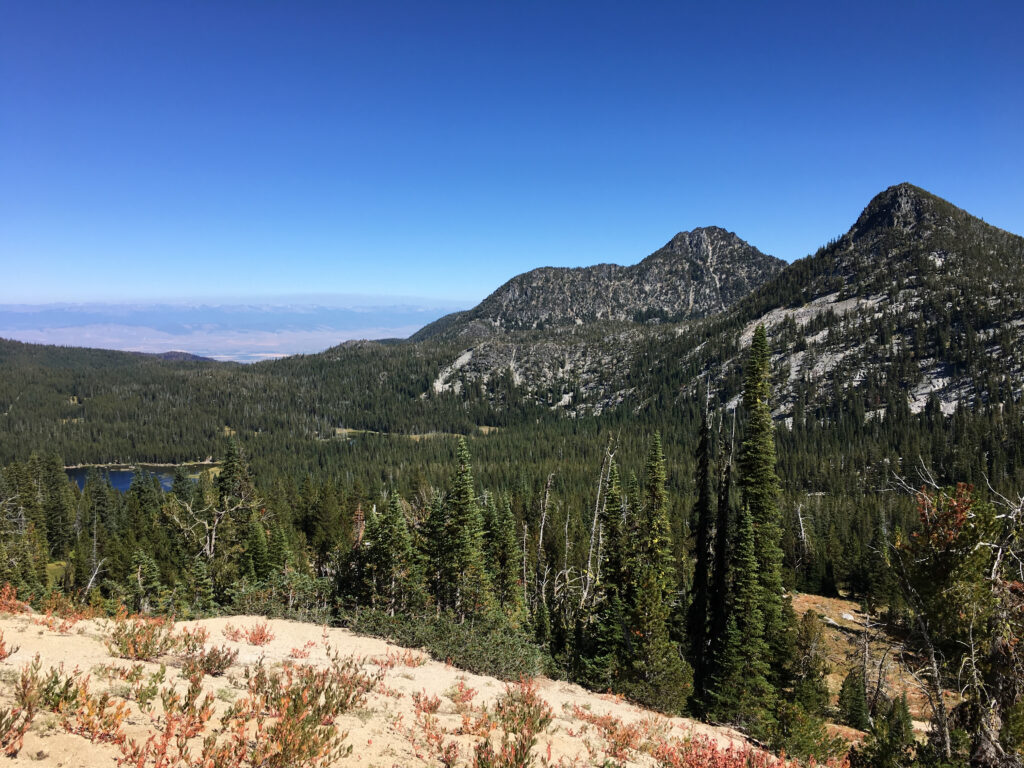
At the same time the administration is working to remove the Roadless Rule, it has also influenced other actions to facilitate more logging. One of those is the revision of the Blue Mountains Forest plans, a management outline for roughly 5 million acres of public lands primarily located in northeast Oregon. This new plan revision would fundamentally alter management across three national forests, and encompasses such iconic landscapes as the Wallowa Mountains, Elkhorn Crest, and the gateway to Hells Canyon.
In addition to dismantling meaningful safeguards for old-growth trees and wildlife, the preferred plan for these public lands includes a trigger that dismantles Roadless Area protections as soon as the national rule goes away. The revised proposal would immediately move those protected landscapes into the logging base.
As a result, the plan envisions being able to triple logging production.
The plan for the Blue Mountains is exactly what the logging lobbyists are trying to say won’t happen automatically. It’s already being baked into the plan here in Oregon, and will be happening across the rest of the country soon.
ONCE IT’S ROADED, THE DAMAGE IS DONE
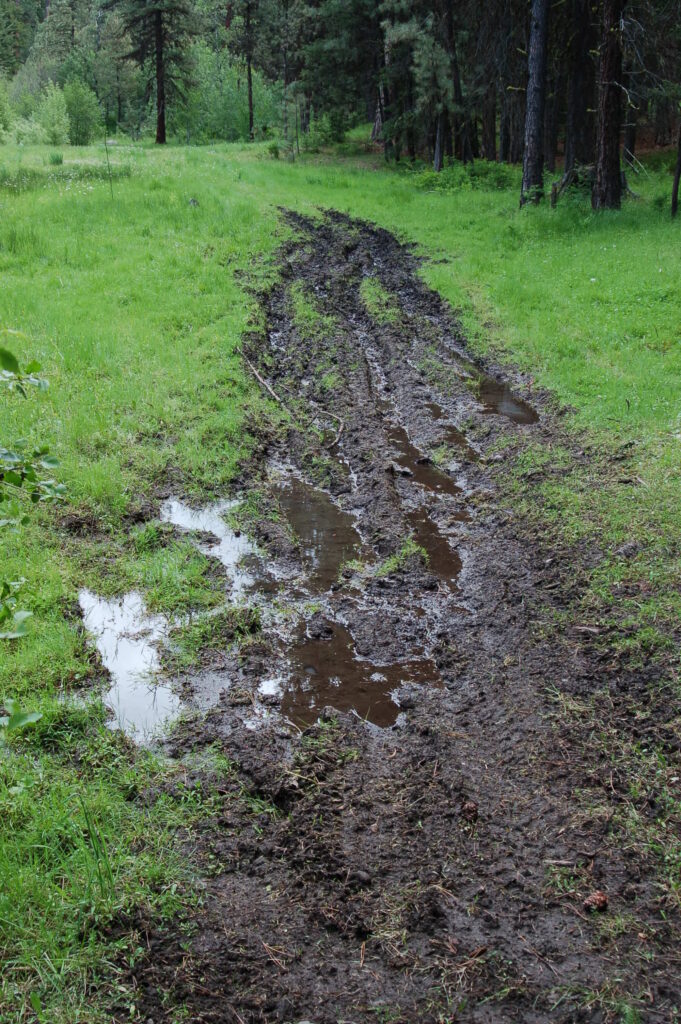
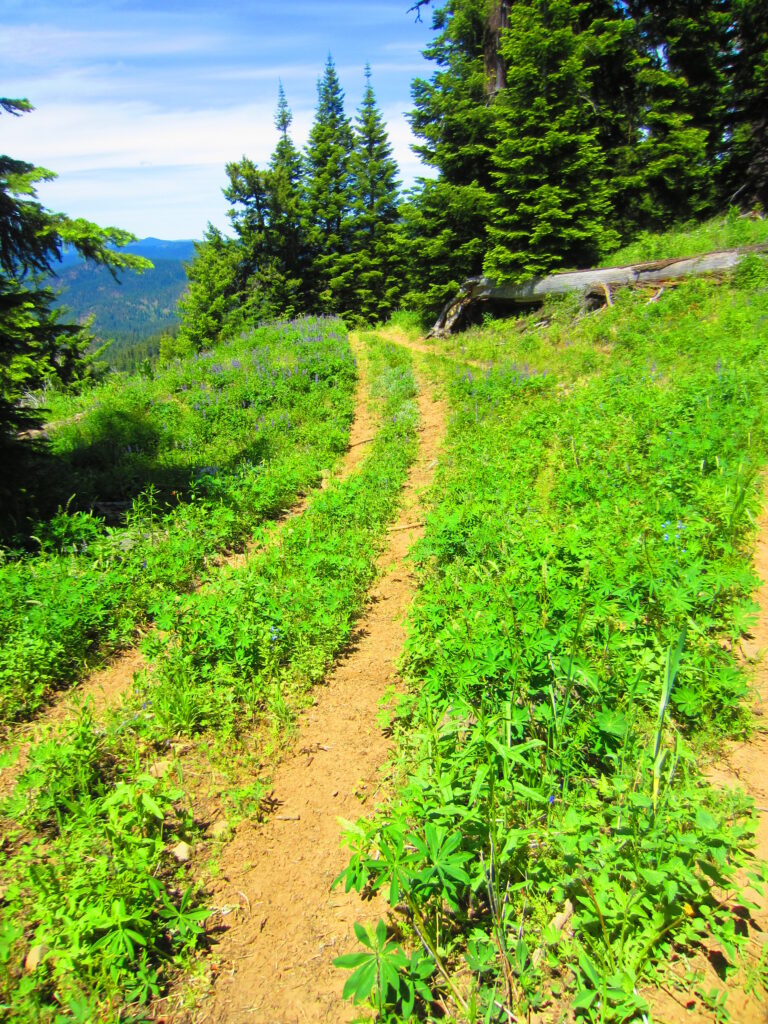
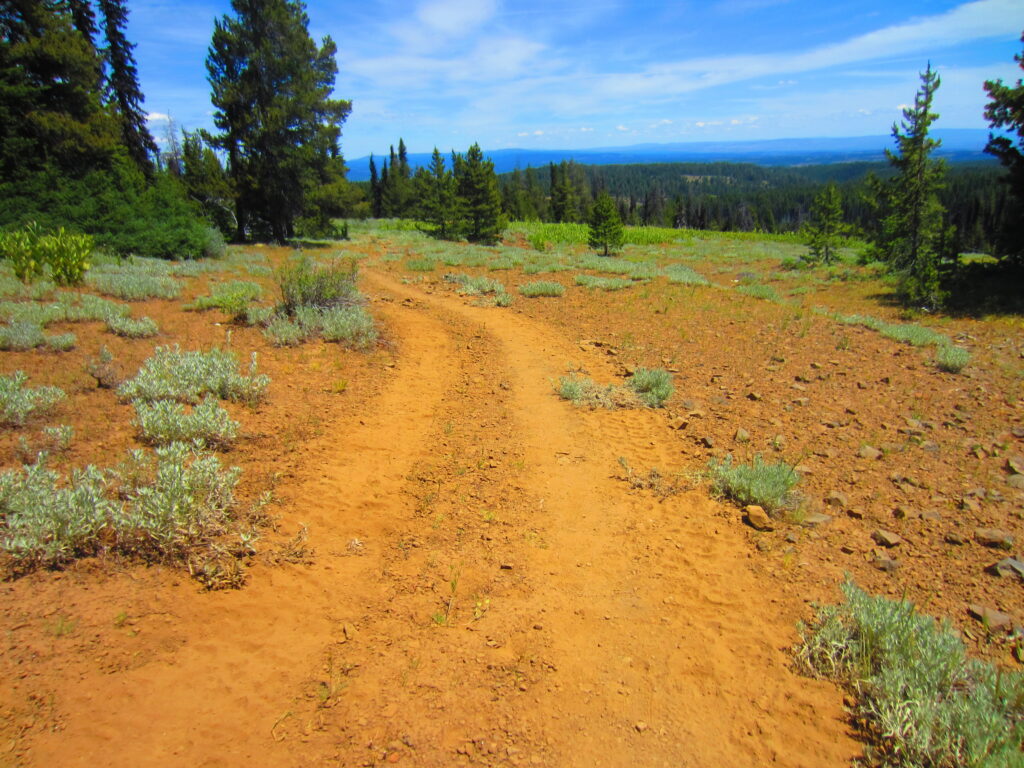
Another argument is that not all these new roads will be permanent. There will be seasonal closures. Some of the roads, once they’ve taken what they want from these landscapes, can be decommissioned.
But once roads are carved into previously undeveloped areas, removing them isn’t as simple as flipping a switch. The construction of these roads alters and fragments habitat, and trees that are hundreds of years old can be felled in the process. This is a regular loophole the Bureau of Land Management has exploited to get around its already abysmal rules for protecting old-growth groves – just plan a road through them! In fact, a significant amount of the BLM’s logging comes from the “incidental” cutting of mature and old-growth trees when they make these roads. There is no reason to believe that the Forest Service under Trump, which is being explicitly ordered to “up the cut,” won’t use the same methods.
Even if these roads are decommissioned, it will still take decades or longer for the landscape to recover, if they ever do. Once a road is constructed, there is a subculture of off-highway enthusiasts that will take their motorbikes and ATVs into these areas and turn them into illegal roads. They then put political pressure on the agency to legitimize these illegal routes. For this subculture of off-roaders, there is a belief that if they break the law enough times, the Forest Service will just change the rules and give them what they want.
The consequence of these roads, temporary or not, is familiar to Oregonians. In addition to the increased fire risk from more motor vehicle traffic and the inevitable impromptu shooting ranges that it enables, they also bring in invasive weeds. The invasive species spread by trucks and off-road vehicles take root in these places, turning once thriving ecosystems into just another superhighway for blackberry and Scotch broom.
HARD TO REACH
Here in Oregon, the Roadless Rule protects about 2 million acres, and encompasses such iconic landscapes as Larch Mountain, Hardesty Mountain, Lookout Mountain, and, in the Blue Mountains region, Joseph Canyon.
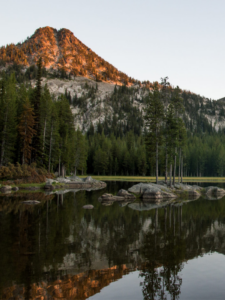
As you read those names, something probably leaps out to you: mountains and canyons. That’s because the Roadless Rule protects areas that had not already been roaded and developed. These were areas that were generally more difficult for large equipment to access, leaving them some of the last undeveloped and unexploited landscapes. Building new roads into these areas is not only difficult, it would also exacerbate the Forest Service’s nearly $7 billion road-maintenance backlog, and divert resources that would otherwise be used to facilitate existing access for the public.
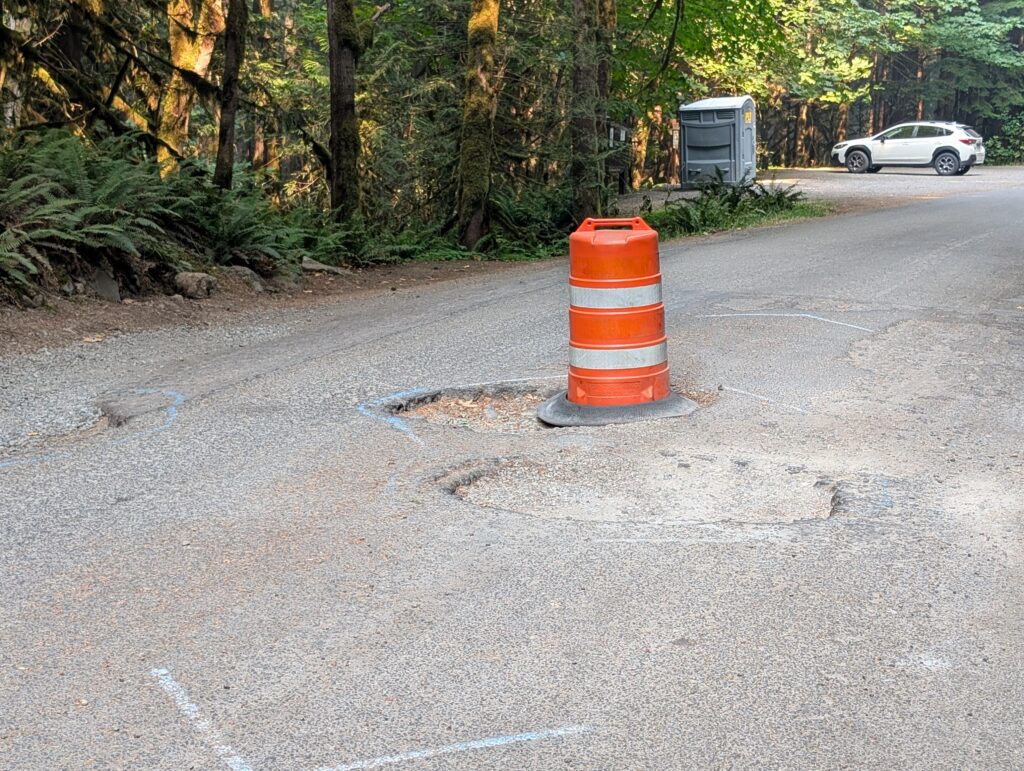
While you’re out driving a potholed stretch of disintegrated pavement to your favorite campground, trailhead, or fishing spot, the logging industry will be getting new roads for logging.
WE MUST SPEAK UP
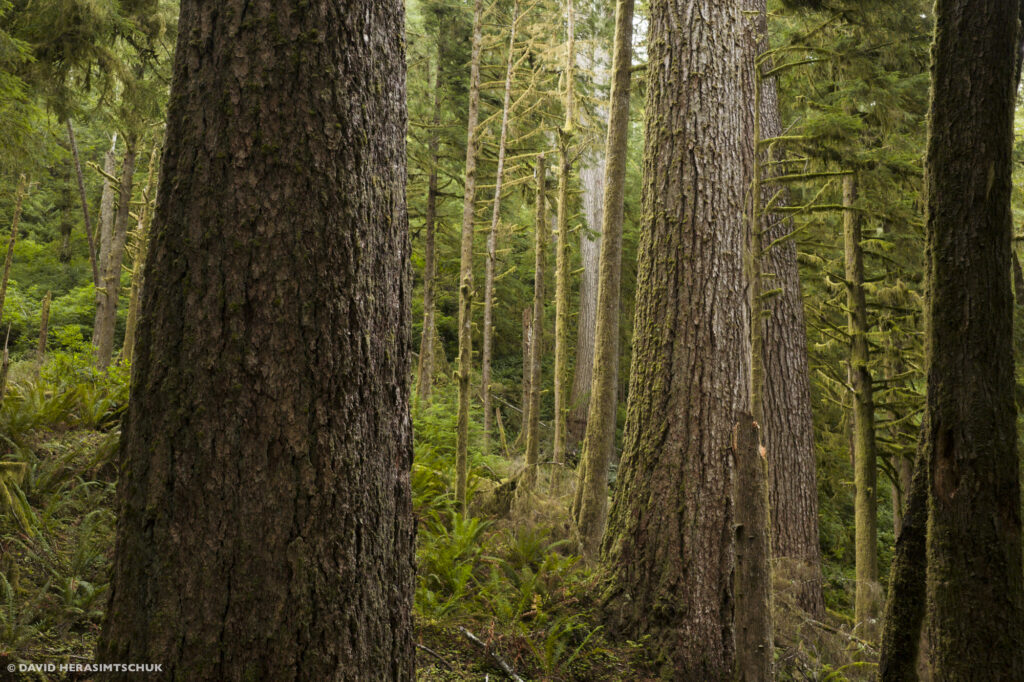
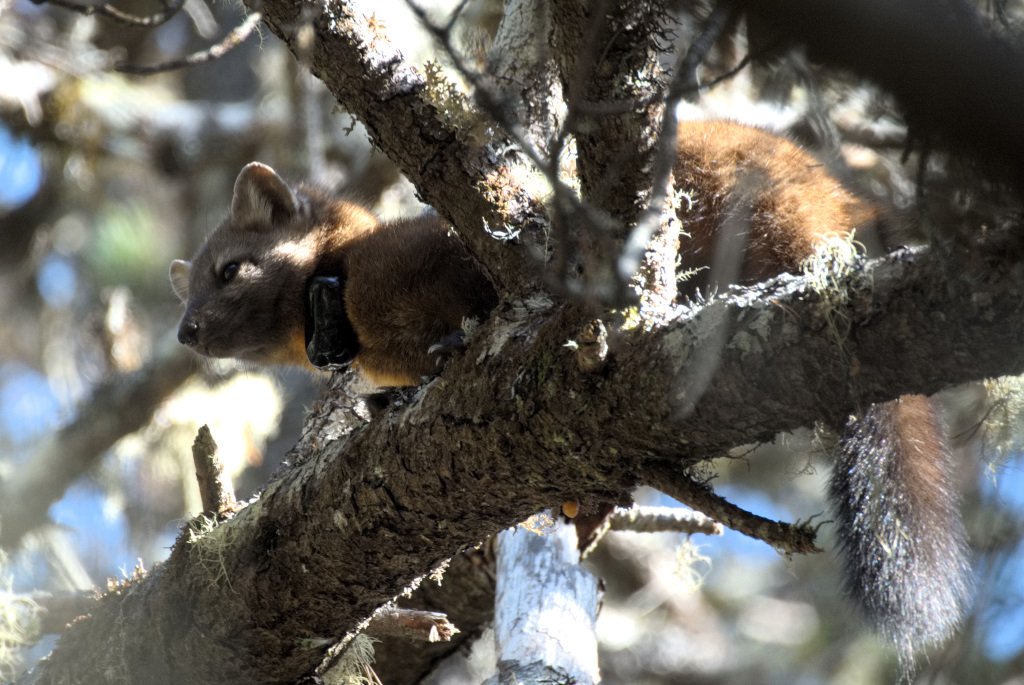
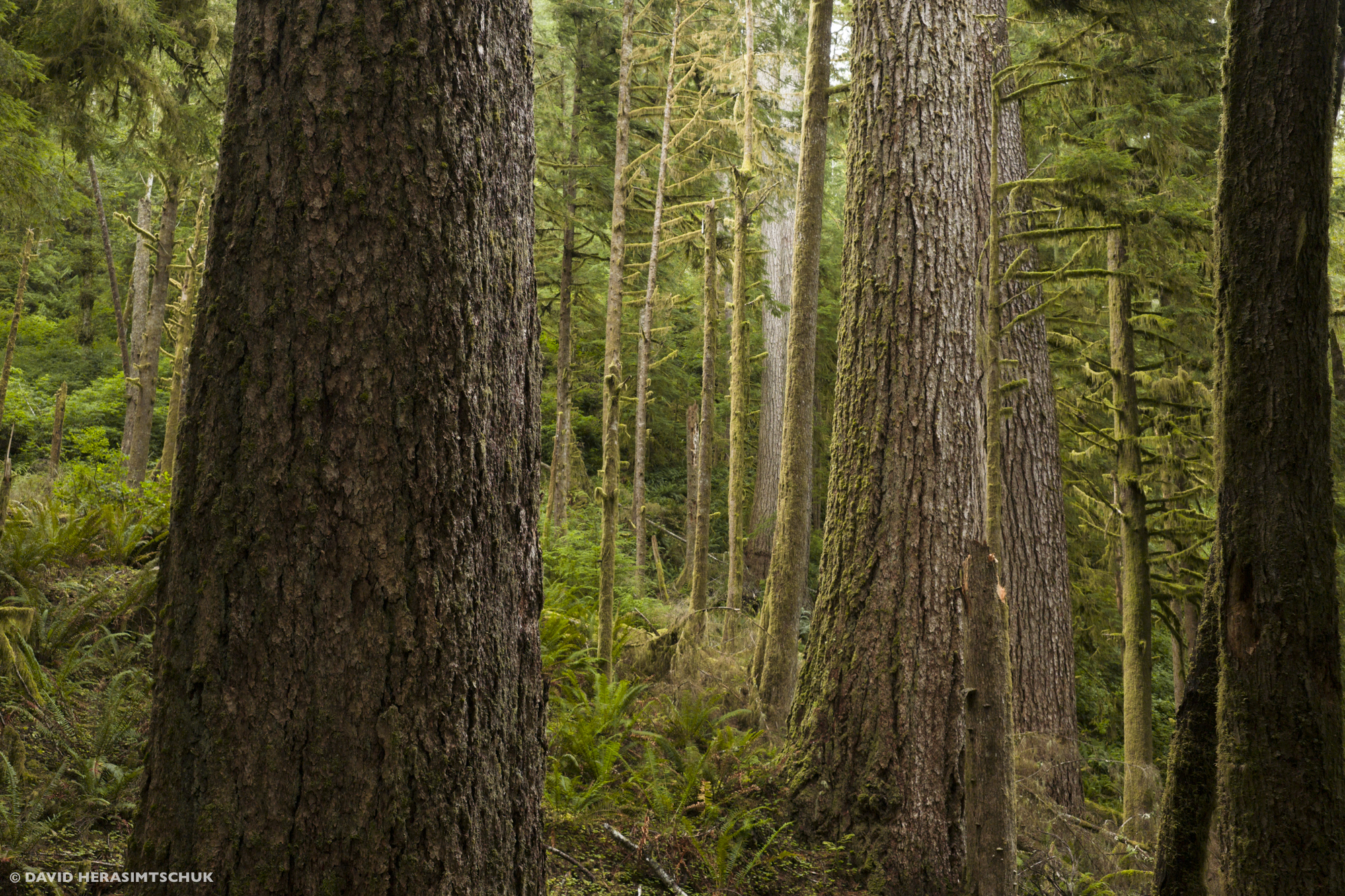
Our Roadless Areas are some of the last pockets of mature and old-growth forests, high-quality wildlife habitat, recreation, and so important for providing clean water. The Forest Service calls these values out in its own analysis as threatened by the proposal.
During the first comment period, the logging industry and its allies were confident. They were shocked that the public actually values these places. Now that they’re no longer insulated from the overwhelming public opinion, they’re throwing more money and disinformation into turning out comments from the fraction of the public that agree with them.
And the Roadless Rule is not the only campaign they’re using to attack our public lands. In addition to the Blue Mountains Forest Plan revisions mentioned above, we’ll soon see new plans for Western Oregon BLM lands and the Northwest Forest Plan, all being changed with an aim toward more old-growth logging.
The Forest Service recently extended the Roadless Rule comment period to October 6th. We need to continue to show up and speak out for these landscapes, and not let the logging industry and politicians get away with dismantling public lands protections for their own profit.