

15-day extension still far short of previous comment periods
| Contact: Sami Godlove, Oregon Wild sg@oregonwild.org |
BEND, OR — Tomorrow, the U.S. Department of Agriculture, which oversees the U.S. Forest Service, will publish a 15-day extension to the comment period on the Trump administration’s plan to eliminate the Roadless Area Conservation Rule. The public now has until October 6th to submit comments on the proposed rescission.
Last year’s comment period on the administration’s Notice of Intent garnered over 600,000 comments in 21 days. An analysis conducted by the Forest Service of those comments found that 99% (DEIS, page 9) supported continued protections for Roadless Areas and opposed the administration’s efforts to eliminate them.
“Even with this brief extension, the Trump administration’s process falls far short of the robust and meaningful public engagement that established the Roadless Rule 25 years ago,” said Sami Godlove, Central Oregon Field Coordinator for Oregon Wild. “Our public lands and the people who value them deserve better.”
Before the Roadless Rule was originally adopted in 2001, the Forest Service provided a total of 129 days for the public to comment on the Notice of Intent and the Proposed Roadless Rule and held more than 400 public meetings across the country after issuing the proposed rule. When the Bush administration unlawfully sought to rescind the Rule in 2005, the Forest Service ultimately offered over 120 days for public comment on the proposed rescission.
Congresswoman Andrea Salinas led a letter in Congress, signed by 164 lawmakers and including the entire Oregon delegation except Representative Cliff Bentz, calling on the agency to extend the comment period:
“Over the past 25 years, the rule has helped protect watersheds, biodiversity, and ecosystem integrity by limiting road construction and large-scale logging in undeveloped areas. Forest Service data show that watersheds within roadless areas are far more likely to be in “properly functioning” condition compared to those outside of them, which are more often classified as “at risk” or “impaired.”
In addition to concerns that drinking water quality would be impacted, analysis from the Forest Service also shows that the elimination of the Roadless Rule would result in millions of dollars of lost outdoor recreation income, imperil wildlife, spread invasive species, and increase fire risk.
Oregonians can submit their comments now through Oregon Wild to be delivered during the official comment period, or through Regulations.gov until October 6, 2026.

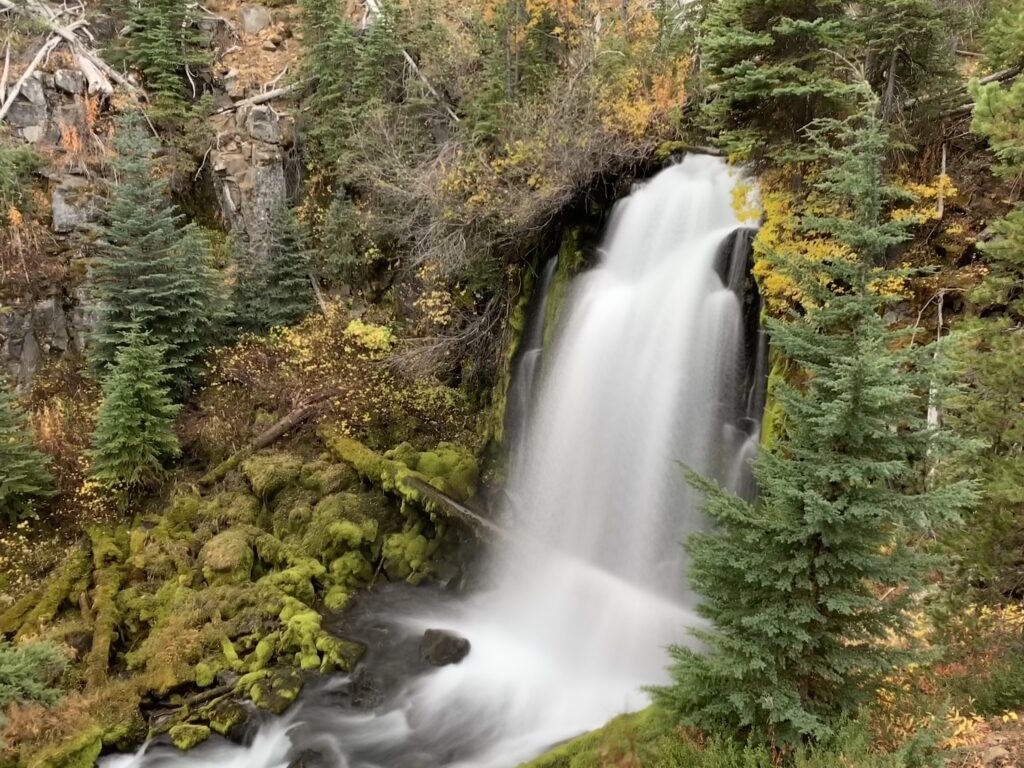
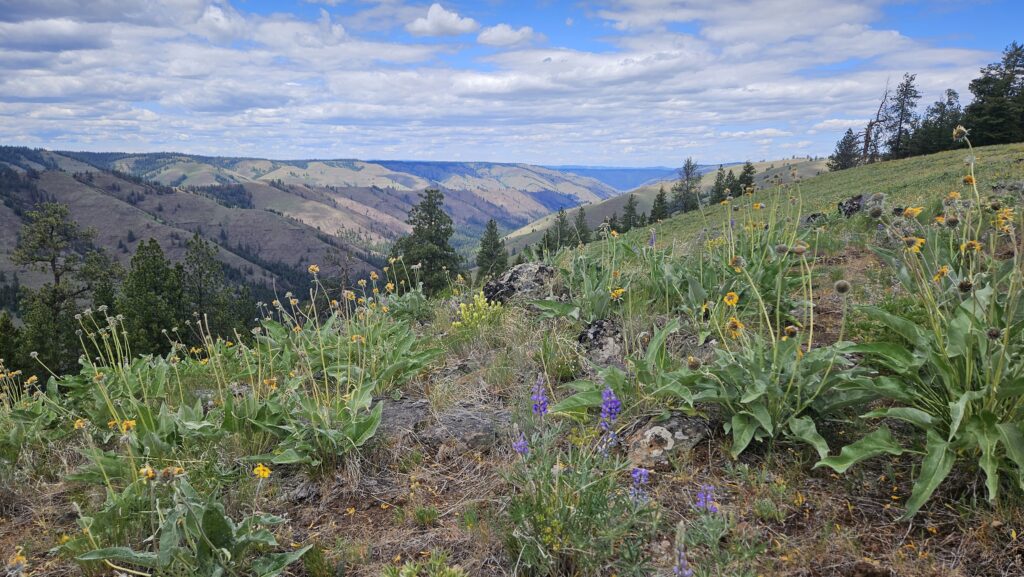
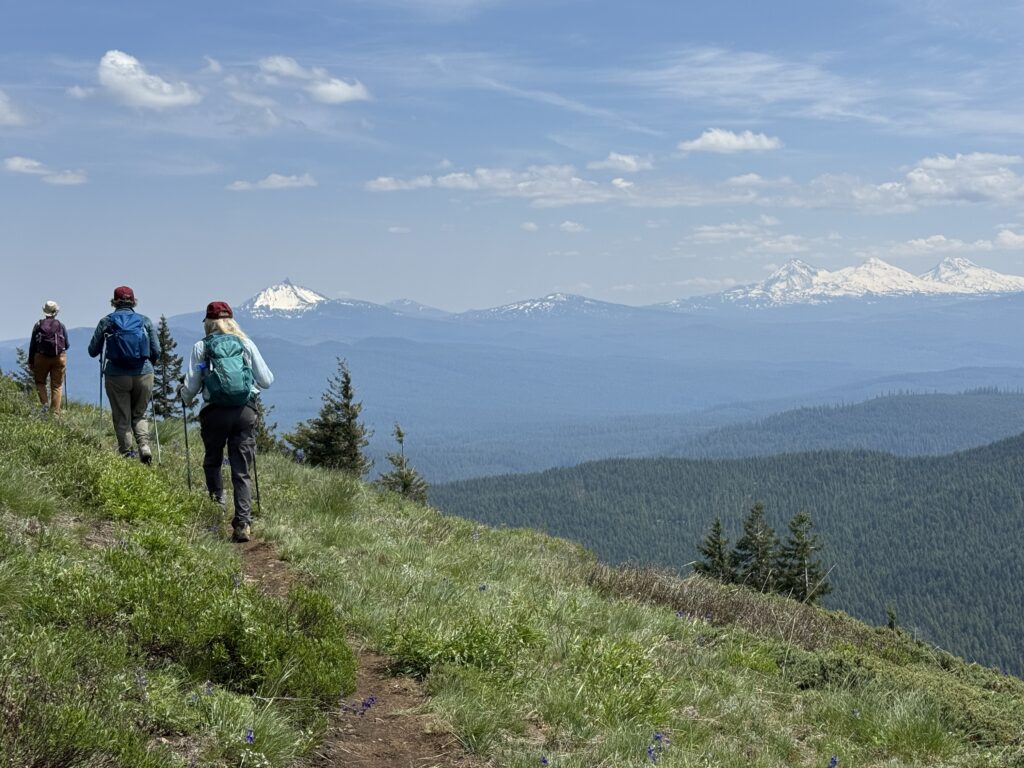
Oregon’s Roadless Wildlands
Oregon’s roadless forests are among our state’s most spectacular and irreplaceable landscapes. From the flower-studded meadows of Iron Mountain in the Willamette National Forest, to the dramatic canyons and cultural homelands of the Nez Perce Tribe in Joseph Canyon, to the clean drinking water flowing from Tumalo Mountain into the taps of more than 100,000 people in Bend, these places embody the best of Oregon’s natural and cultural heritage. They also sustain recreation economies and wildlife habitats.
Other iconic areas include Lookout Mountain in the Ochocos, where diverse forests and meadows form the headwaters of critical streams; Rough & Ready Creek, a unique botanical wonderland threatened by mining in southwest Oregon; and Larch Mountain, a lush old-growth haven just minutes from Portland. These and dozens of other roadless areas across Oregon safeguard clean water, biodiversity, cultural values, and recreation opportunities that are impossible to replace once lost.
Learn more about the Roadless Rule and Oregon Roadless Areas here.