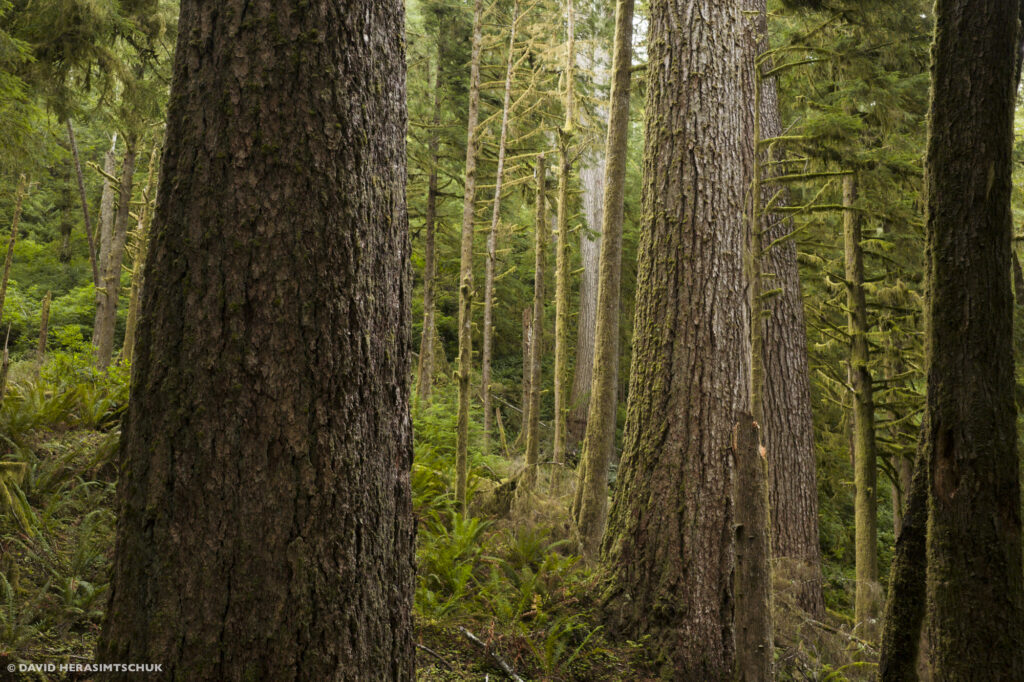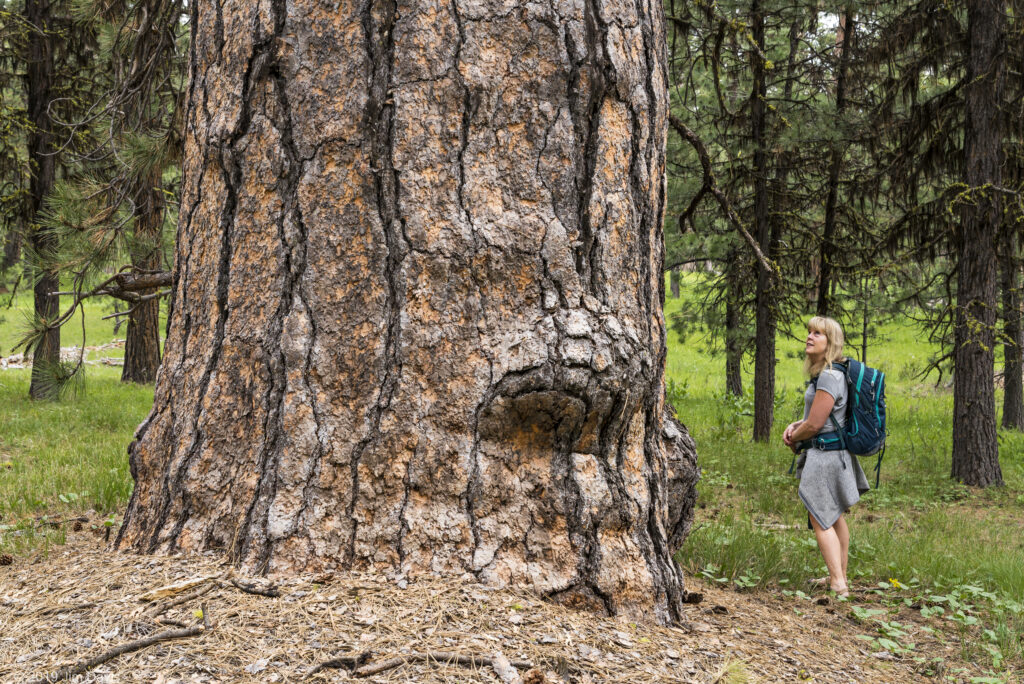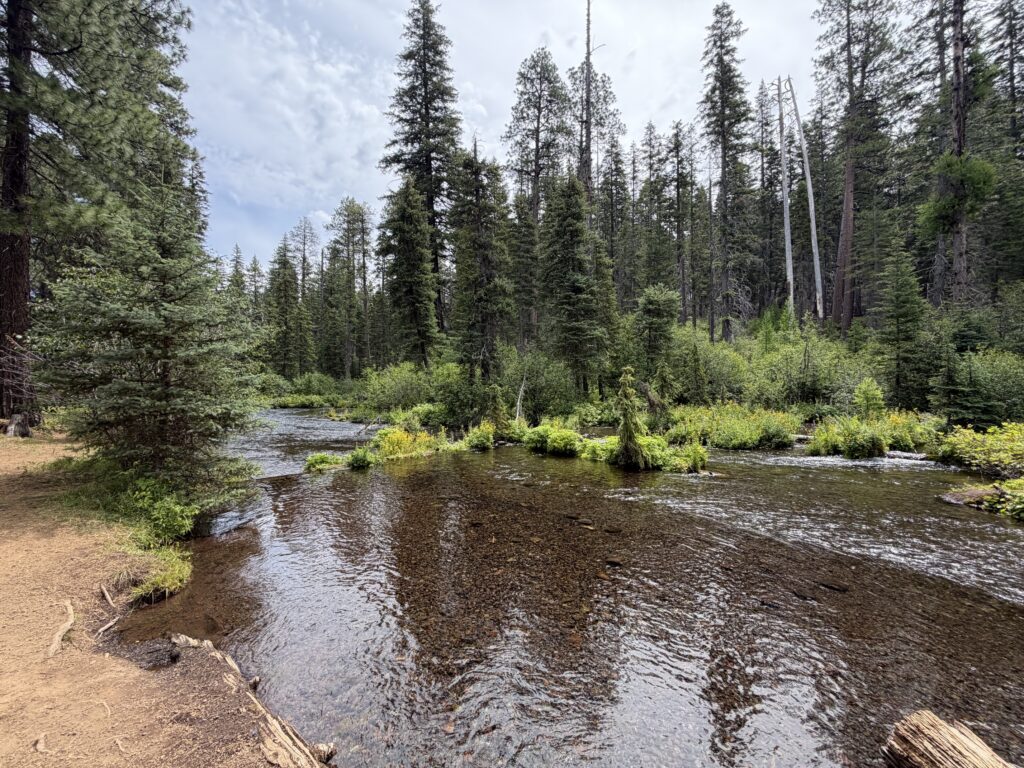
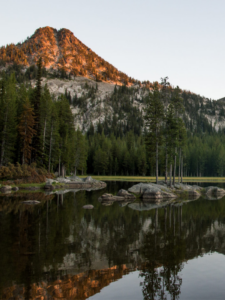
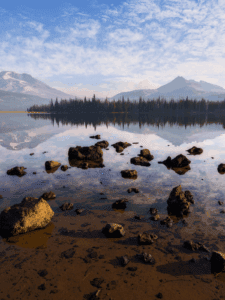
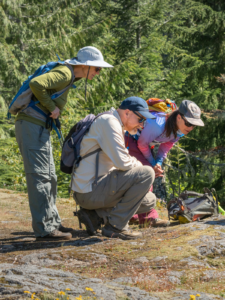

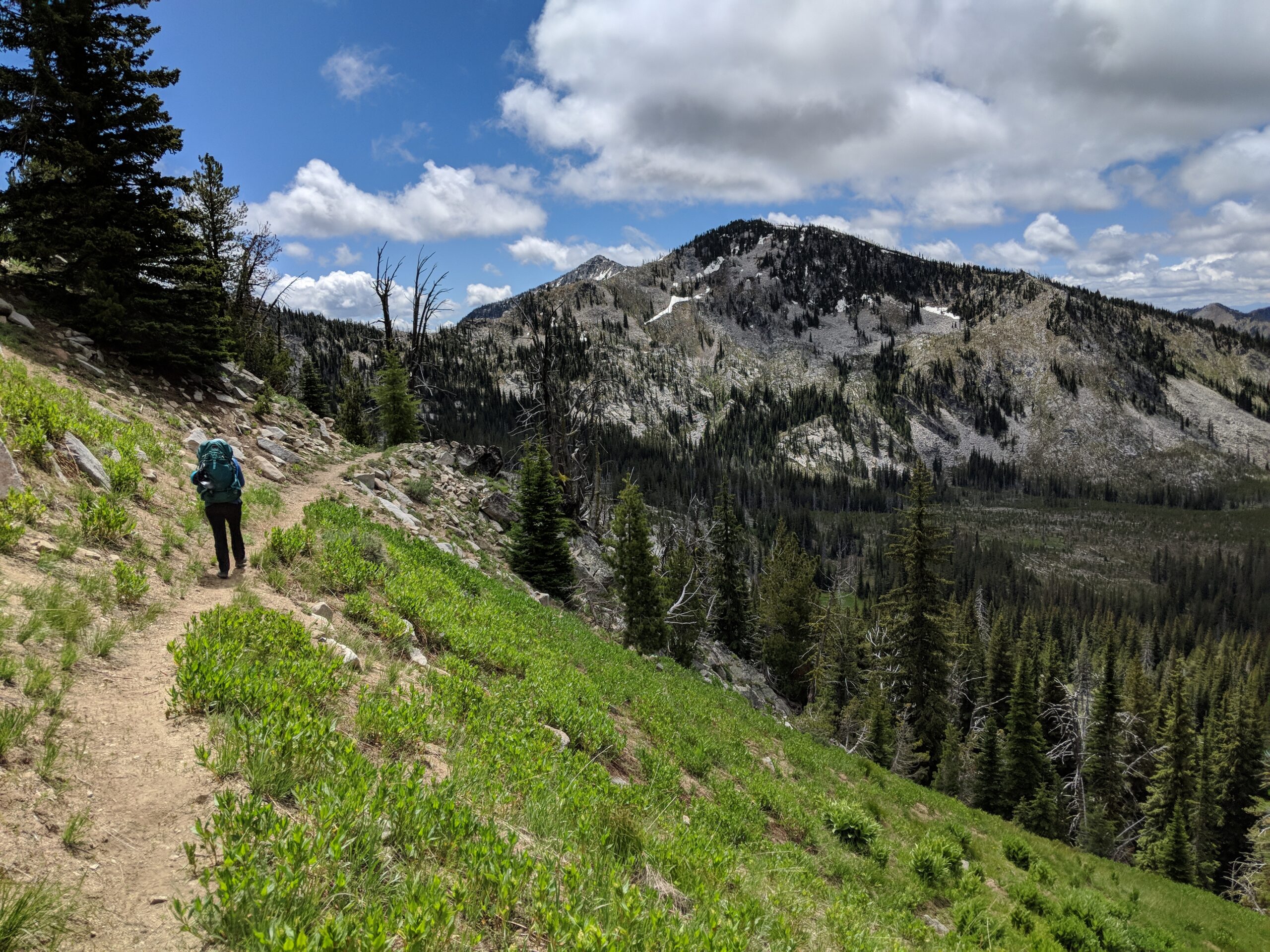
The Trump administration recently unveiled its latest plans to repeal the popular Roadless Area Conservation Rule, a proposal that would eliminate protections for America’s wildest forests across nearly 45 million acres of National Forest land, including 2 million acres in Oregon. This plan puts at risk beloved wild places in Oregon like Larch Mountain in the Gorge, Lost Lake and the Salmon River Trail in the Mount Hood National Forest, Hardesty Mountain outside Eugene, Tumalo Mountain outside Bend, Lookout Mountain in the Ochocos, the rugged canyonlands of Joseph Canyon in northeast Oregon, and the Oregon Dunes on the coast, among others.
These are public lands and some of the last intact landscapes in America, providing clean water, critical wildlife habitat, and world-class recreation opportunities. And without the Roadless Rule, they could all be opened up to roadbuilding, commercial logging, and development. That’s the bad news.
The good news is that the administration is required to provide the public an opportunity to weigh in on the plan, and this is our opportunity to make our voices heard and save these roadless wildlands. A public comment period is open until September 21, 2026 (Note: the comment deadline has been extended by 15 days to Tuesday, October 6).
That’s not a lot of time to read the 300-page draft Environmental Impact Statement (DEIS), research the benefits of the Roadless Rule, and write a substantive public comment that will make a difference. That’s why Oregon Wild analyzed the DEIS for you and created a toolkit to help you write and submit your public comment.
Find our full Roadless Rule public comment toolkit here.
Read on to learn everything you need to know about submitting a public comment to save the Roadless Rule. For a more in-depth training, join our webcast on September 16.
What is a public comment and why do they matter?
Public comments are one of the most important ways we can speak up for our public lands and influence agency decisions. Under the National Environmental Policy Act (NEPA), agencies are required to complete an environmental analysis (often in the form of an Environmental Assessment or Environmental Impact Statement) and provide an opportunity for public input on the analysis and proposal (often in the form of a public comment period).
A public comment is essentially a written statement that supports or opposes a proposal (or portions of a proposal) and/or raises specific issues about the proposal or the environmental analysis. Anyone can submit a public comment and they can look vastly different; some might be one sentence, while others may resemble an academic dissertation.
An overwhelming number of comments shows decisionmakers that the public is paying attention and cares about the issue. Substantive comments (more on that below) can help inform any future litigation. Agencies are also required to respond to topics raised in substantive comments.
Types of public comments
The purpose of this toolkit is to help the public craft substantive comments, but there are three different types of public comments you can submit, each with pros and cons.
- Generic/form/bulk comment: these are “petition” style comments where you add your name and submit a pre-written comment, usually through an organization website. These are quick and easy and can generate a lot of comments (good for showing widespread public support/opposition), but they are not weighted as heavily by the agency since they are not individual or unique. Submit a form comment on the Roadless Rule rescission on Oregon Wild’s website.
- Unique/individual comment: This is a comment written and submitted by an individual using their own words. This takes more time and effort, but will be counted as its own unique comment by the agency and given more weight. These can still be short and simple and focus more on general ideas rather than raising specific issues in the analysis/proposal. Pro-tip: all generic/form comments from Oregon Wild can be edited. Add in a few sentences about specific issues or places to make your comment unique.
- Substantive comment: If you have the time, these are the most effective. This is an individual/unique comment, but points to specific issues in the analysis/proposal. The agency is required to respond to substantive issues raised in comments. Substantive comments can also help inform any future litigation on the issue. To submit a unique or substantive comment on the Roadless Rule rescission, submit directly through the government portal at regulations.gov.
How to write your own substantive comment
Follow this outline to write your own unique, substantive comment:
Start with “I oppose the proposal to fully or partially rescind the Roadless Area Conservation Rule.”
Who you are:
- Where you live, what you do for a living (if relevant), why public lands matter to you
Why you care about an affected area
- Name specific areas that will be impacted and what you do there or why you care about it (hike, hunt, fish, camp, clean drinking water, wildlife, etc).
- Use our Interactive Map of Oregon Roadless Areas to find a Roadless Area near you
Pick some talking points that appeal to you
- See our Roadless DEIS analysis for talking points to include
Tell the Forest Service what you want them to do. Be specific!
- Say something like, “For the reasons listed above, fully or partially rescinding the Roadless Rule under Alternatives 2 and 3 of the draft EIS would be a grave mistake…”
- State again that you “oppose the proposal to rescind or alter the Roadless Rule,” and support “Alternative 1, the No Action alternative.”
Comment writing tools
Our friends at More Than Just Parks created a great Roadless comment writing tool to help you craft a substantive public comment. This tool will give you a unique, substantive comment to submit based on where you live, which Roadless Areas you visit, and activities you enjoy doing in Roadless Areas. Check it out!
How to submit your public comment
Comments on the Roadless Rule can be submitted until midnight on Tuesday, October 6 through the federal government Public Comment Portal Link, Oregon Wild’s Website, or mailed in.
Regulations.gov public comment portal (Preferred method for unique, substantive comments)
- Submit through the regulations.gov portal
- Character count is 5,000 characters. If your comment is longer than 5,000 characters, you can upload a PDF of your comment.
- You can also upload photos, supporting documents, and other files
Oregon Wild website (if you are short on time)
- Submit through Oregon Wild’s comment portal
- Form letter/generic comment
- The comment can be edited. Add in individual information (e.g. Roadless Areas you visit, why you care about protecting Roadless Areas, etc) to make the comment unique.
Mail in
- Mail a letter to Director, Ecosystem Management Coordination, 201 14th Street SW, Mailstop 1108, Washington, DC 20250-1124
- Letters must be received by the deadline – not just postmarked. Make sure to send it with enough time to be received and counted by the deadline.
- Include the Docket # FS-2025-0001 and/or RIN 0596-AD66 at the top of the letter
Other ways to take action
In addition to writing and submitting comments through the official NEPA process, there are other ways to weigh in on the proposed Roadless Rule rescission.
- Contact your members of Congress (call the Capitol Switchboard 202-224-3121) and tell them to oppose the Roadless Rule rescission and to support the Roadless Area Conservation Act, which would provide durable, legislative protections for Roadless Areas.
- Submit a letter to the editor or op-ed to your local paper. Use our Roadless LTE toolkit to craft and submit yours today!
- Share on social media. That can mean making your own post – maybe while you’re out hiking – or liking, sharing, or commenting on others to amplify their reach. Follow @OregonWild to get started!
- Use our Activist Toolkit for more resources on taking action.
- Or check out our upcoming events for opportunities to attend rallies, hikes, or other events relating to public lands defense.