

Fighting for our Backyard Forests
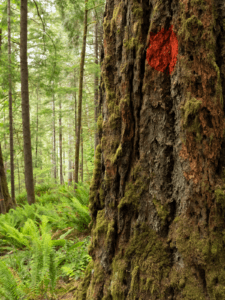
Forests managed by the Bureau of Land Management (BLM) flank the Coast Range, Cascade foothills, and Siskiyou mountains from Portland to Ashland, and are some of the most biologically productive lands in the Pacific Northwest. They are home to rare species like coho salmon, marbled murrelets, and northern spotted owls and provide key habitat connectivity corridors as well as refuges from surrounding private land clearcuts.
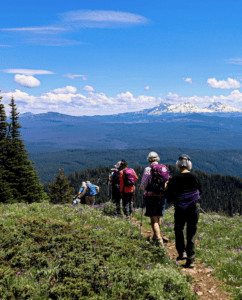
Treasured places like the Molalla River, Marys Peak, Crabtree Valley, Alsea Falls, and the Rogue River are found on these BLM forest lands – often right in the backyards of Oregonians – providing recreation, clean water, and numerous other public values.
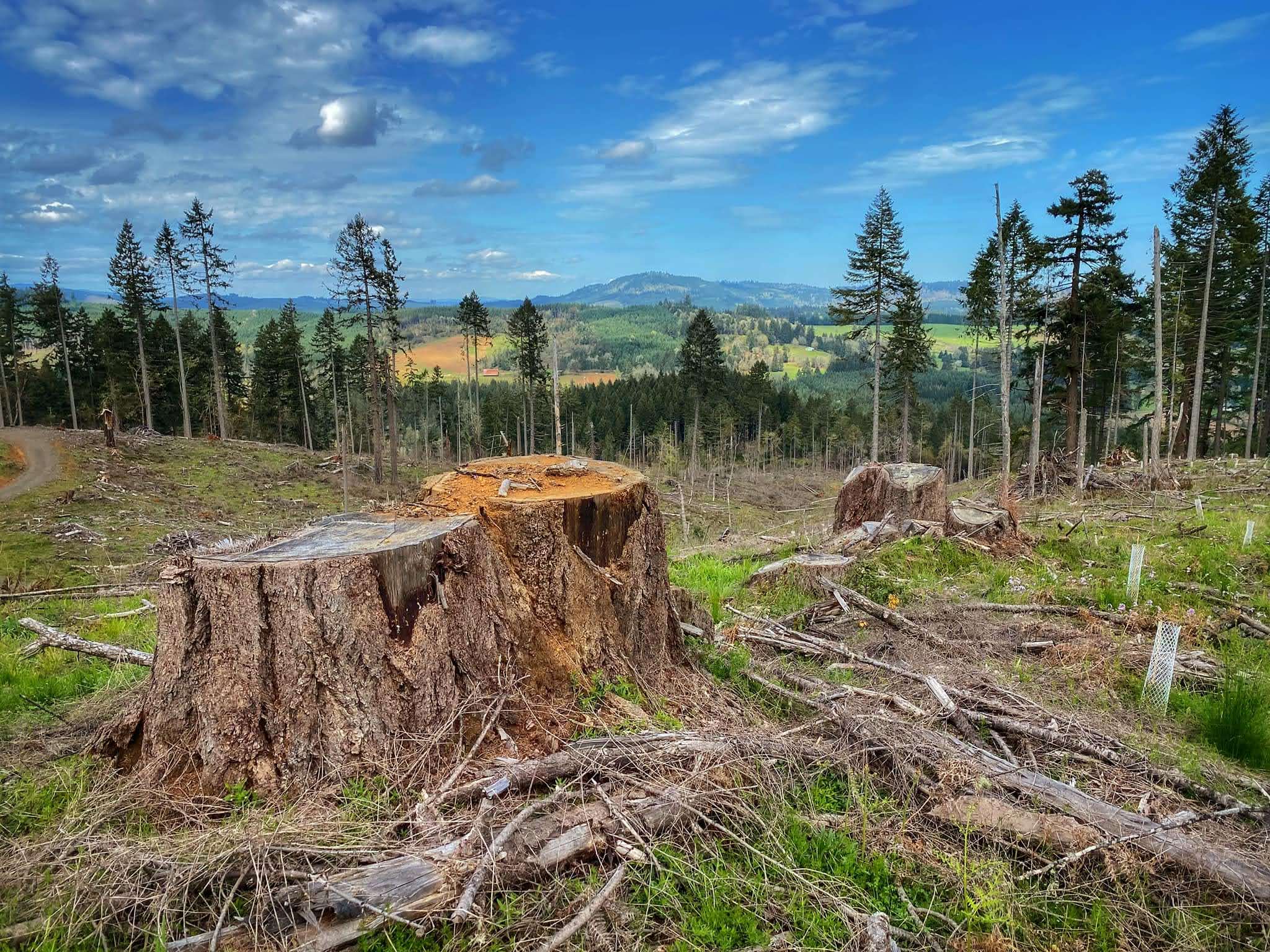
A new proposal threatens these public lands with a return to the days of clearcutting old growth and other forests at unsustainable levels. We must push back to prevent the destruction of these BLM forests and wildlife habitat, damage to streams, increased fire hazards, and the scarring of the hillsides that surround rural communities.
Stop Trump’s plan to clearcut our backyard forests
The initial comment period for the BLM’s management plan revision closed on March 23, 2026.
Now is a good time to urge Oregon’s Congressional delegation to oppose H.R. 7603 (the O&C Renewal Act introduced by Rep. Bentz) and reject efforts to dismantle protections for our forests and waters.
-
What are western Oregon BLM lands?
A unique history
When it comes to the management of public forest lands in our state, most Oregonians think of the U.S. Forest Service. But the Bureau of Land Management (BLM) – a separate federal agency – is responsible for more than 2.5 million acres of public land in Western Oregon.
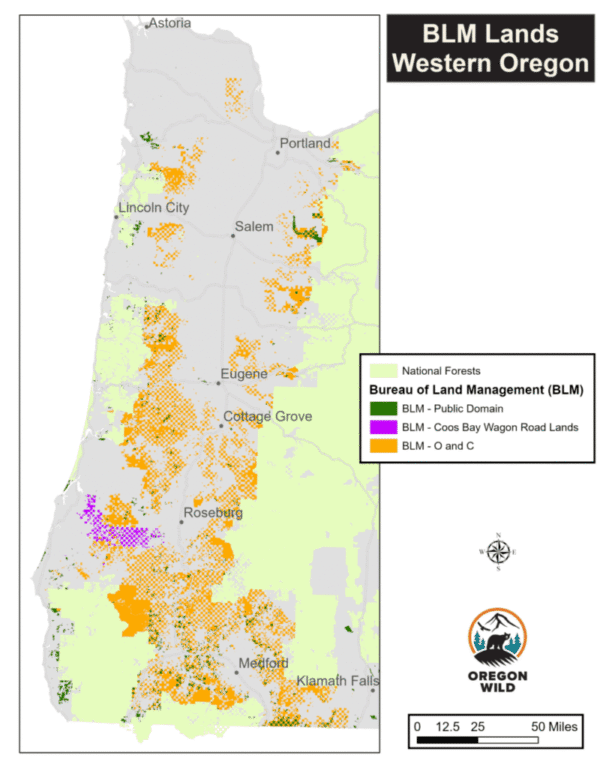
One of the unique features of western Oregon’s BLM land is its “checkerboard” pattern in the foothills of the Cascades and Coast Range. Those are the O&C lands (click on map for larger view). These lands were originally granted to the Oregon and California Railroad (O&C), but were re-vested to the federal government when the railroad didn’t hold up their end of the bargain, and their management was set forth in the 1937 O&C Act.
This law required “permanent forest production”, which was interpreted as a logging priority by the timber industry, though other language in the Act makes it clear that other public lands values must also be maintained.
When the Northwest Forest Plan was developed in the 1990s to protect fish and wildlife dependent on old-growth forest habitat and healthy streams, these lands were a part of this science-based management plan.
That changed in 2016 when, after years of planning, public process, and legal wrangling, the BLM finalized a revision to their management plans which shrunk protections for streamside forests, increased aggressive logging practices, and removed 2.6 million acres of these federally managed public forests from the Northwest Forest Plan’s conservation framework.
Management of BLM lands is complicated by the link between revenue produced by logging and funding for county services. For years, counties with O&C lands received funding based on the amount of timber harvested from these lands. This led to a perverse incentive to log more old-growth forests to pay for basic county services like schools, law enforcement, and libraries. Over time, unsustainable logging practices led to the degradation of fish and wildlife habitat and water quality throughout the region and eventually the federal listing of endangered species and the development of the Northwest Forest Plan.
While the plan slowed down the unsustainable and damaging logging of old-growth forests, it also resulted in a decrease in funding for county services. Congressional legislation provided bridge funding for counties for several years, but isn’t currently authorized. Because of the coupling of logging to county revenue, today, timber and political interests often align in ways that put clean water, salmon, and Oregon’s tourism and recreation economy at risk.
BLM Forest Values
The low-elevation forests in the Western Oregon BLM region are some of the most biologically rich in the region. These forests are also extremely diverse, with a variety of species found on the slopes of three distinct mountain ranges: the Siskiyous, the Coast Range, and the Cascades. They shelter important salmon streams, provide critical habitat for threatened wildlife, offer incredible recreation opportunities, and provide the scenic backdrop and drinking water for thousands of rural Oregonians.
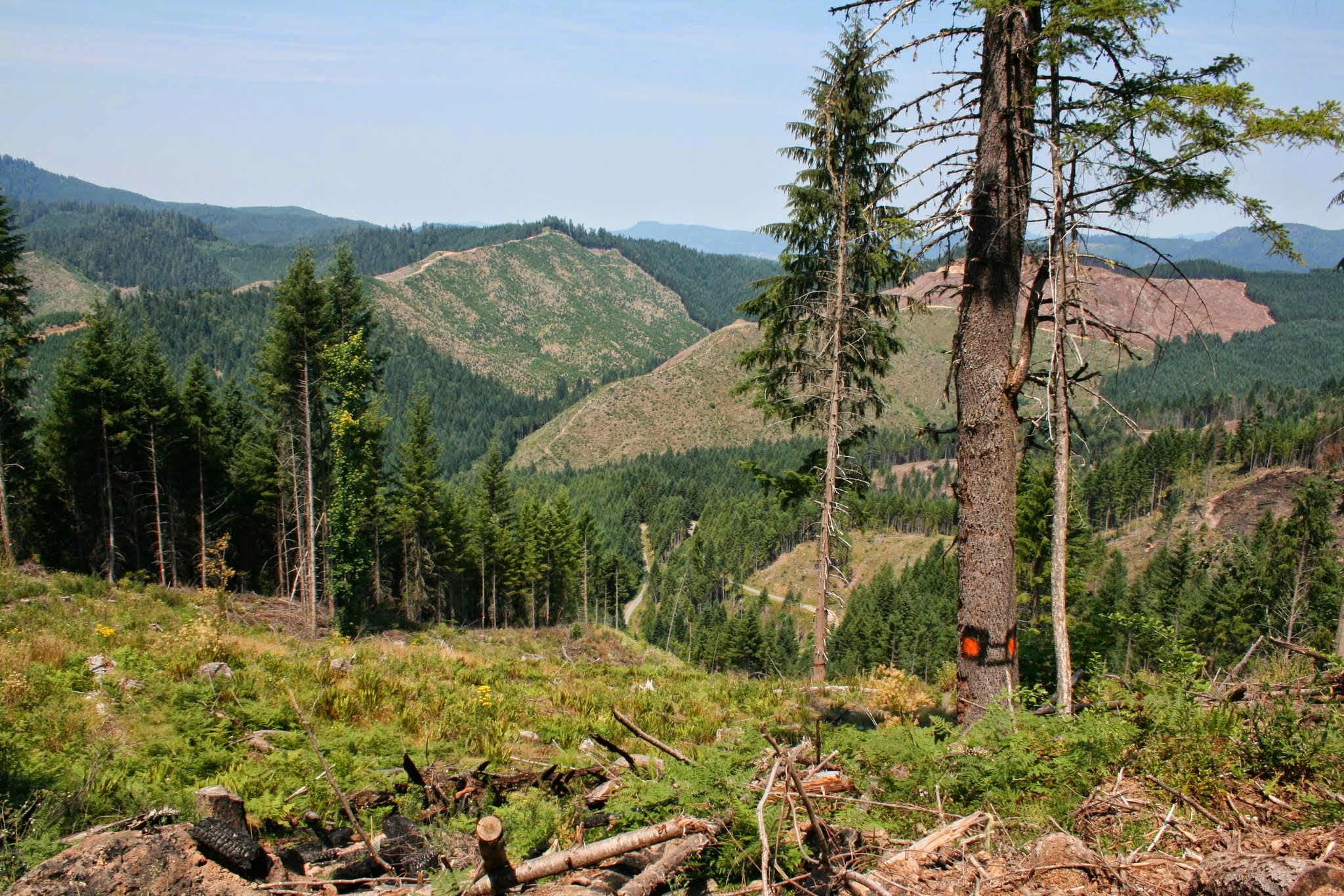
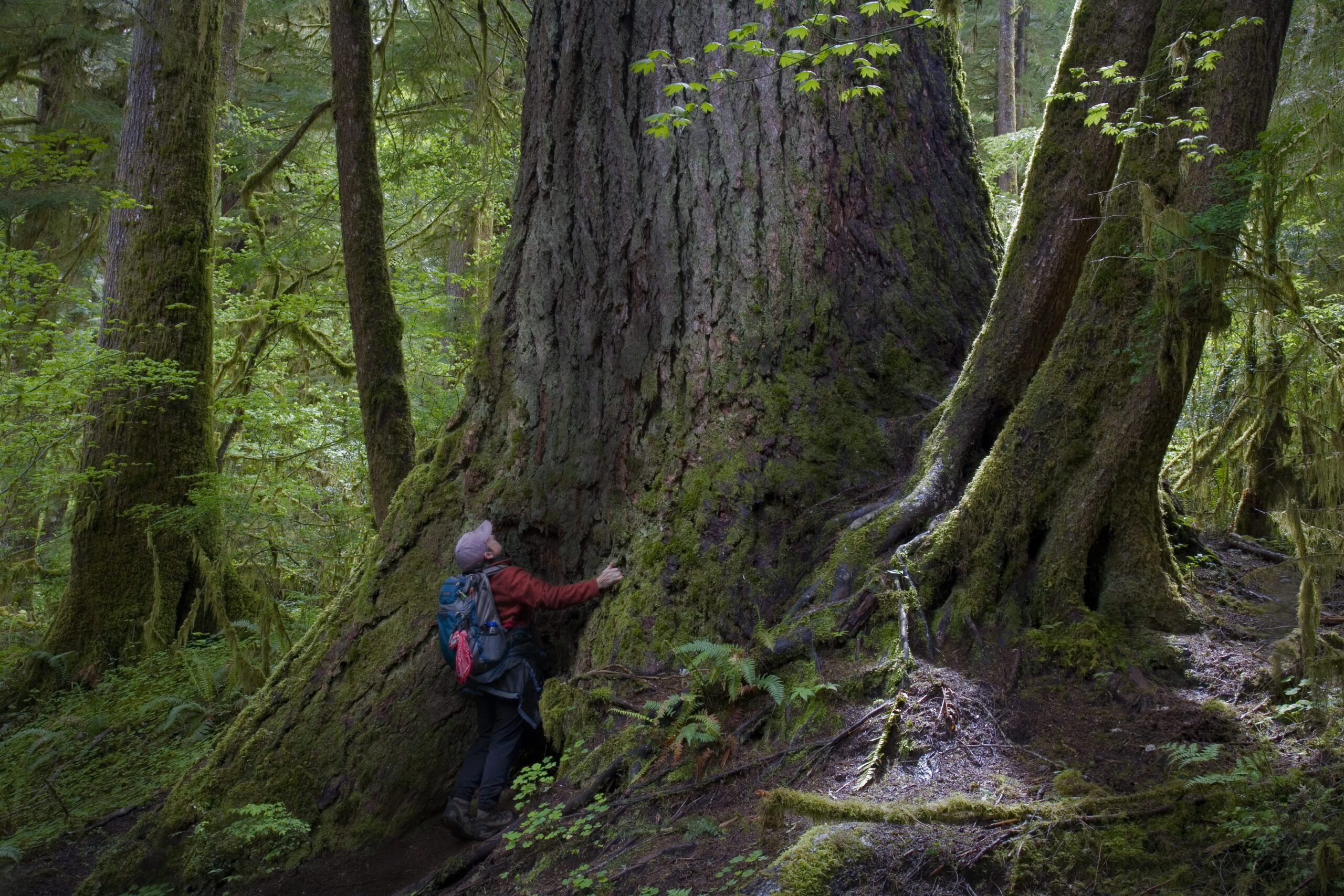
Logging has severely affected much of these lands, resulting in a highly fragmented forest landscape and over a million acres of recovering clearcuts. But mixed in, these BLM lands still include hundreds of thousands of acres of mature and old-growth forests.
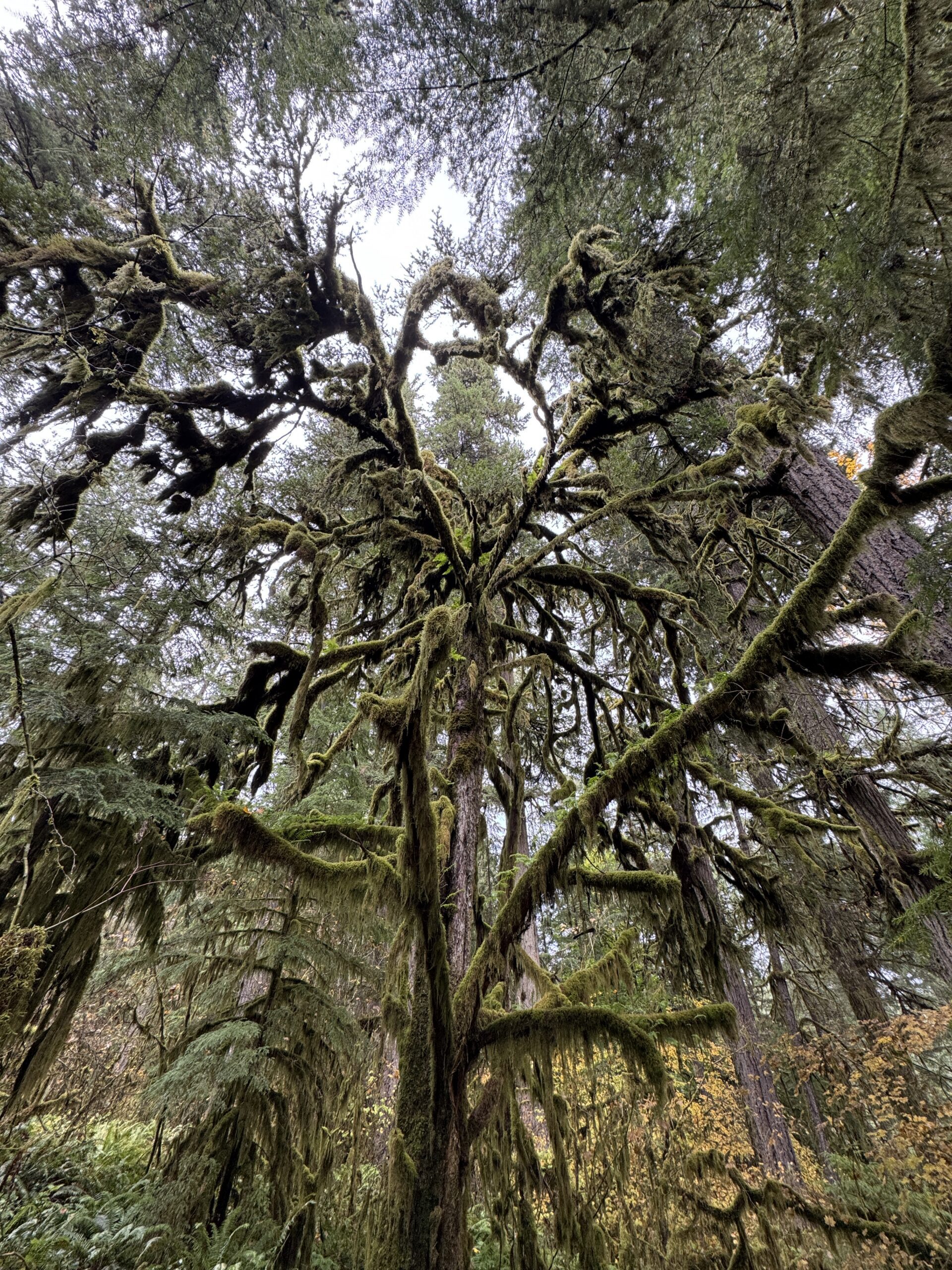
These remaining older forests are valuable for many reasons. They maintain some of the healthiest watersheds in Oregon. They sustain economically valuable salmon and steelhead runs—the backbone of Oregon’s commercial and recreation fishing industry and dozens of coastal communities. They supply urban and rural families with clean, safe drinking water. They maintain critical habitat for threatened and endangered wildlife. They provide Oregon families with treasured opportunities to find freedom and escape from the pressures of modern life through activities like hiking, fishing, camping, hunting, whitewater rafting and dozens of other outdoor pursuits. And as they recover from a legacy of past clearcutting and logging abuse, these lands capture and store carbon dioxide and aid in the fight against global climate change.
Current management on BLM lands
BLM’s current management plans for western Oregon were put in place in 2016, after years of planning, public process, and legal wrangling. These RMPs were a significant departure from the Northwest Forest Plan’s conservation framework BLM was previously a part of, installing smaller streamside buffers from logging, and increasing aggressive logging practices. The BLM’s current plan also leaves many mature and old-growth forests and habitat unprotected.
Oregon Wild and other conservation groups have challenged numerous BLM logging proposals in recent years that have targeted mature and old-growth forests. Courts have sided with conservation groups, highlighting that, even under the significantly weaker safeguards of the 2016 RMPs, the agency has regularly violated its own rules and bedrock environmental laws in order to facilitate commercial logging projects.
Despite these legal challenges, the pace of logging on BLM lands has been increasing. In fiscal year 2025, nearly 250 million board feet of timber was logged from western Oregon BLM lands, a 7% increase from the previous year.
-
What is the western Oregon BLM plan revision proposal?
More logging to meet Trump administration demands
On February 19, 2026, the Trump administration announced its intention to revise Western Oregon BLM management plans. Administration officials have stated that their goal is to return to the logging levels of the 1970s and 80s—when the BLM and U.S. Forest Service were clear-cutting roughly 3-square miles of old-growth forests per week. To achieve this, they intend to override decades of court rulings protecting clean water and wildlife, and return to the very management practices that led to federal Endangered Species Act listings for coho salmon and other imperiled species in the first place.
Their announcement details plans to:
- Open nearly 2-million acres, or 77% of Western Oregon BLM lands, to potential clearcutting with no protections for mature and old-growth forests. The remaining 23% are either Congressionally-protected or cannot grow trees sustainably.
- Prioritize a return to “maximum” logging levels from before coho salmon, spotted owls, and other iconic Pacific Northwest species were listed under the Endangered Species Act (ESA).
- Reduce protections for clean drinking water, salmon and steelhead by shrinking logging buffers along rivers and streams to as little as 25 to 100 feet.
- Reevaluate currently designated Areas of Critical Environmental Concern (ACECs) and natural areas, potentially opening them up for logging.
- Increase fire risk to communities by logging and replacing resilient older forests with more fire-prone younger stands. BLM’s own environmental analyses acknowledge that clearcutting can increase fire hazards for up to 50 years.
- Put special places from around Oregon, including beloved areas along the Sandy and North Fork Clackamas Rivers, ancient forests in the Valley of the Giants, the scenic meadows of Mary’s Peak, the postcard beauty of Alsea Falls, and the rugged canyons of the Wild Rogue at risk from expanded logging, roadbuilding, invasive species, and fire.
In short, the proposed plan revision would double down on the most destructive aspects of public lands management across even more of the landscape, prioritizing resource extraction over the long-term health of our forests and communities. This will put wildlife habitat, salmon recovery, drinking water, and nearby communities at greater risk.
You can read more about the proposal on the BLM’s website.
Rep. Bentz’ O&C Renewal Act
Alongside the Trump administration’s management plan revision proposal, Congressman Cliff Bentz (R-OR) introduced H.R.7603, the so-called “O&C Renewal Act.” This bill ignores the myriad values public BLM lands in Western Oregon represent, and seeks to elevate one value—maximum logging levels—above all others. Representative Bentz has been explicit that his goal with this legislation is to remove protections for salmon and wildlife, clean drinking water, remaining mature and old-growth forests, and other values, and overrule bedrock environmental protections like the Endangered Species Act and Clean Water Act. The purpose of this harmful legislation is to restrict every Oregonian’s ability to challenge Trump administration efforts to return to unsustainable 1980s-style clearcut logging on these lands.
-
How to protect our backyard forests
BLM lands belong to everyone, not just timber companies. We encourage people who care about these forests to weigh in on management proposals and help raise awareness in the public.
You can:
-
- Submit a public comment to BLM
- Write a letter to the editor of a local publication
- Contact your elected officials
- Share on social media
- Visit BLM forests and share with friends
Find out how in our Activist Toolkit!
Key comment points
When writing comments, letters, or posts, consider including how BLM lands are important to you personally.
-
- Are these lands a part of your drinking watershed?
- Do they include a favorite place for hunting, fishing, hiking, or foraging for mushrooms?
- Do they form the scenic backdrop of your home or community?
- How will this new logging directive impact these forests for you?
In addition, consider including some of the following points about BLM management plans:
-
- Strengthen, rather than weaken, protections for old-growth trees and stands and riparian areas.
- Recruit more old-growth by protecting mature trees and stands.
- Do not expand clearcut-type logging practices that reduce carbon storage and vital wildlife habitat.
- Close loopholes that exist in the current management plans that result in ongoing loss of habitat for imperiled species.
- Ensure that management of these public forests does not increase fire hazards, the spread of invasive weeds, or soil damage and erosion.
- Do not allow for more road-building, but instead close and decommission unneeded roads to protect water quality and reduce fire starts.
- Exercise authority and discretion to conserve and protect these forests consistent with federal court decisions.
- Maintain and strengthen protections for all existing Areas of Critical Environmental Concern (ACECs).
- Meaningfully engage tribal governments and Indigenous people to ensure their interests are considered.
-
Key Staff
- John PersellStaff Attorney
- Doug HeikenSr. Conservation and Restoration Coordinator
- Lauren AndersonClimate Forests Program Manager
- Chandra LeGueSenior Conservation Advocate