


Steve Pearce, controversial Director of the Bureau of Land Management, will meet with logging companies this week
Contact for more information
Salem, Ore., – Reports indicate that Bureau of Land Management Director Steve Pearce will be visiting the Salem Oregon BLM office tomorrow. Pearce was a controversial nominee to lead the BLM because of his strong ties to the oil and gas industry and comments supporting the sale of public lands. A poll last year found that 76% of Oregonians oppose selling off public lands and 72% favored increased protections for mature and old-growth forests.
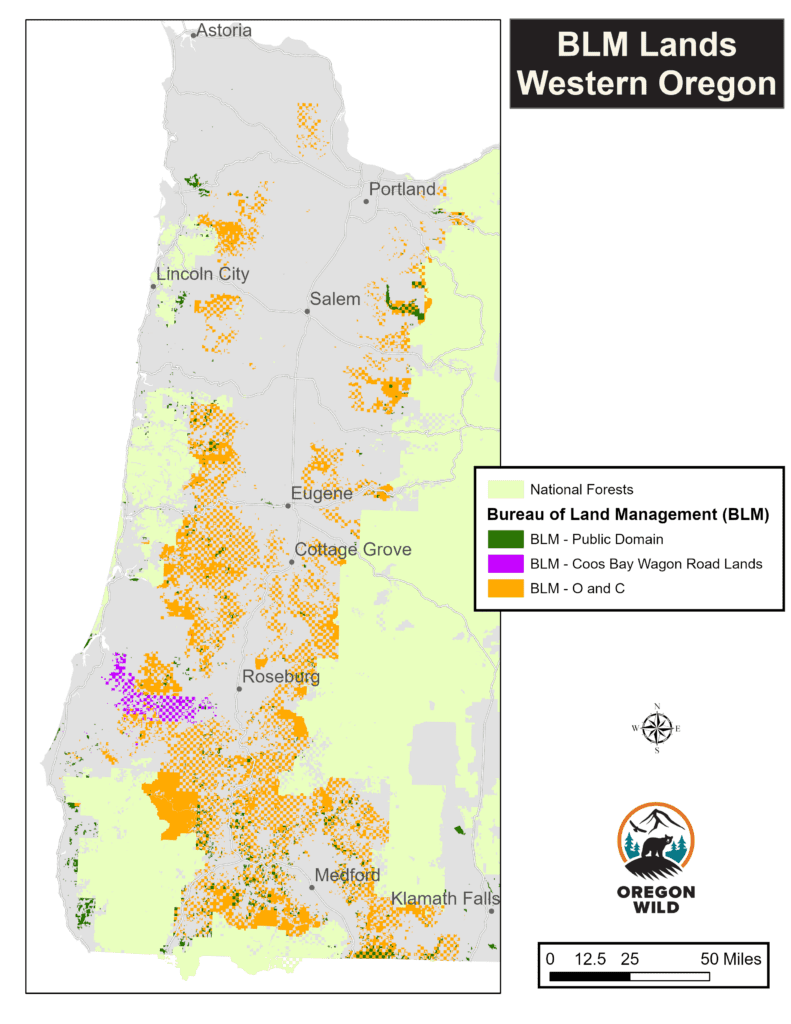
The BLM manages just under 250 million acres of public land across the US, including roughly 15 million acres in Oregon.
“We welcome Director Pearce to Oregon and hope he has an opportunity to see some of the incredible public lands managed by his agency on behalf of the public,” said Lauren Anderson, Climate Forest Program Director for Oregon Wild. “We hope he has an opportunity to speak with a variety of public lands users, and not just logging executives and political donors. Tens of thousands of Oregonians have expressed alarm over the BLM’s proposal to maximize logging and gut protections for old-growth forests across western Oregon. These are public lands, managed on behalf of all Americans, not just the timber lobby.”
In February of this year, the Trump Administration published a notice of proposed revisions for management plans that encompass Western Oregon Bureau of Land Management (BLM) forests, seeking to eliminate old-growth and wildlife protections in order to facilitate “maximum” logging capacity across nearly 2 million acres of public lands. The proposal includes reducing logging buffers for endangered fish, potentially eliminating old-growth reserves, and expanded clearcutting and similar aggressive logging practices, which the agency has previously acknowledged increase fire risk.
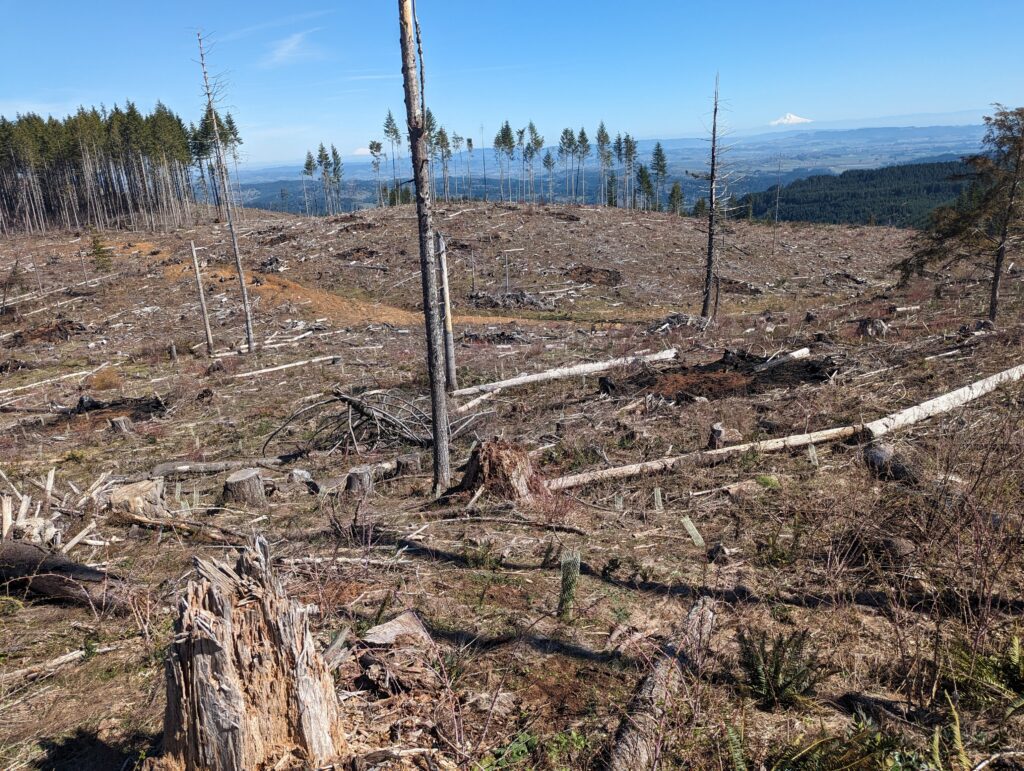
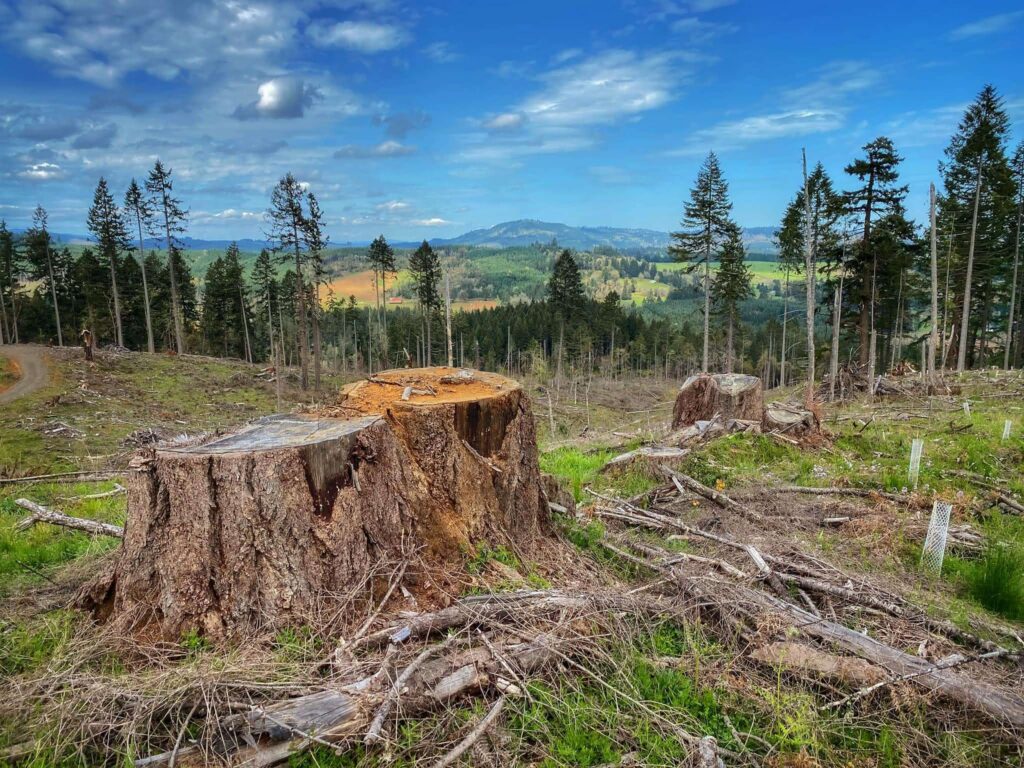
| BLM Lands and Logging Projects: Silver Lining and Nails Creek |
The notice suggests the proposal will include:
- Nearly 2 million acres of public lands with reduced protections targeted for logging, including old-growth forests and other lands previously set aside for conservation
- Shrinking logging buffers around rivers and streams to 25-100 feet, scientifically insufficient to protect endangered fish like coho salmon and steelhead
- Placing logging above all other public lands uses, like recreation, wildlife habitat, and drinking water, in violation of the O&C Lands Act of 1937 and subsequent environmental laws and court rulings
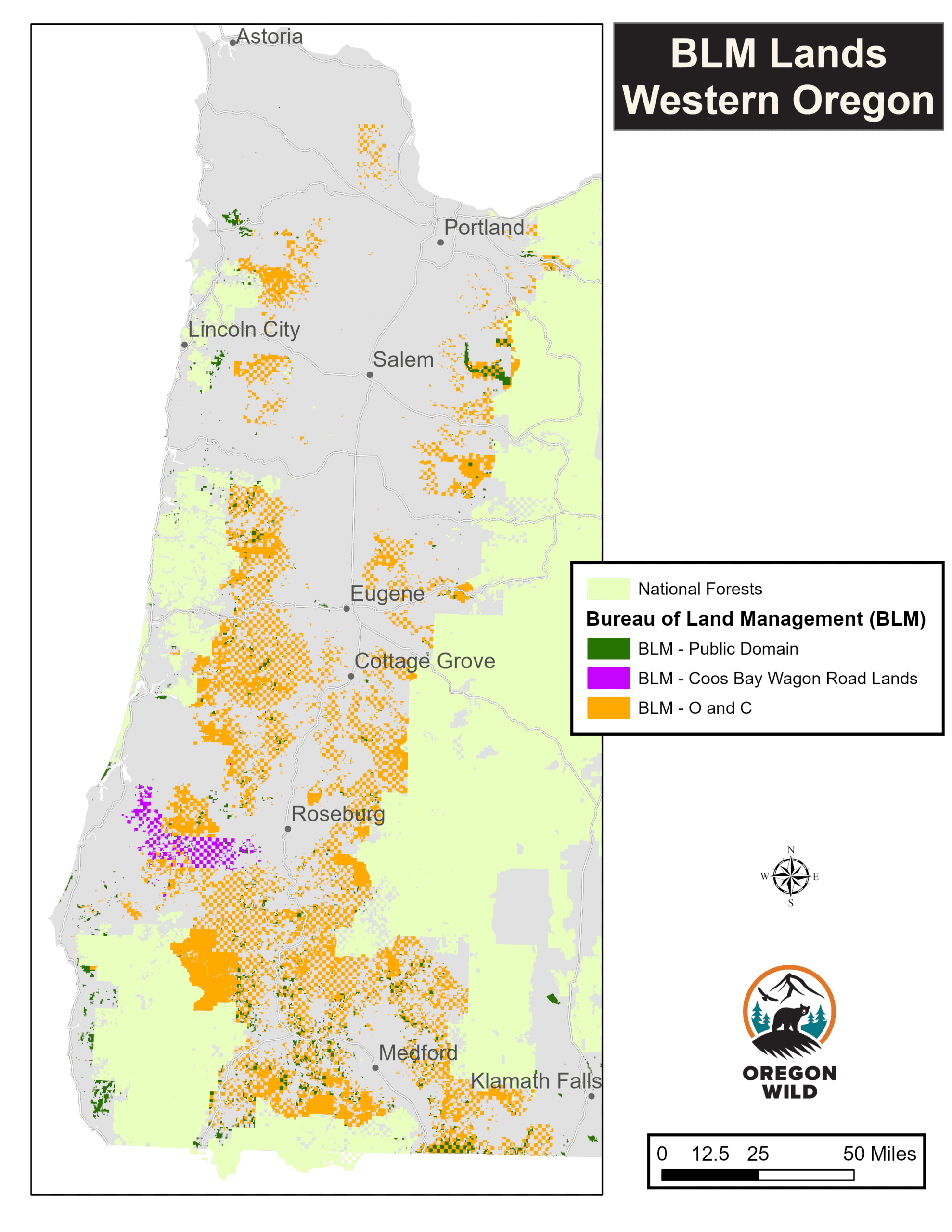
BLM manages scattered parcels across western Oregon, which contain some of the last remaining low-elevation old-growth forests in the state. Notable areas threatened by the proposal include parts of the Sandy River and North Fork Clackamas, the Valley of the Giants, the Upper Molalla River, Mary’s Peak, Crabtree Valley, Alsea Falls, and many more. See a map.
After finalizing its 2016 Resource Management Plans for Western Oregon, which withdrew BLM lands from the Northwest Forest Plan and significantly weakened conservation protections, the agency began to propose increasingly aggressive logging projects. Oregon Wild and other conservation groups in Oregon have challenged numerous BLM logging proposals in recent years that have targeted mature and old-growth forests.
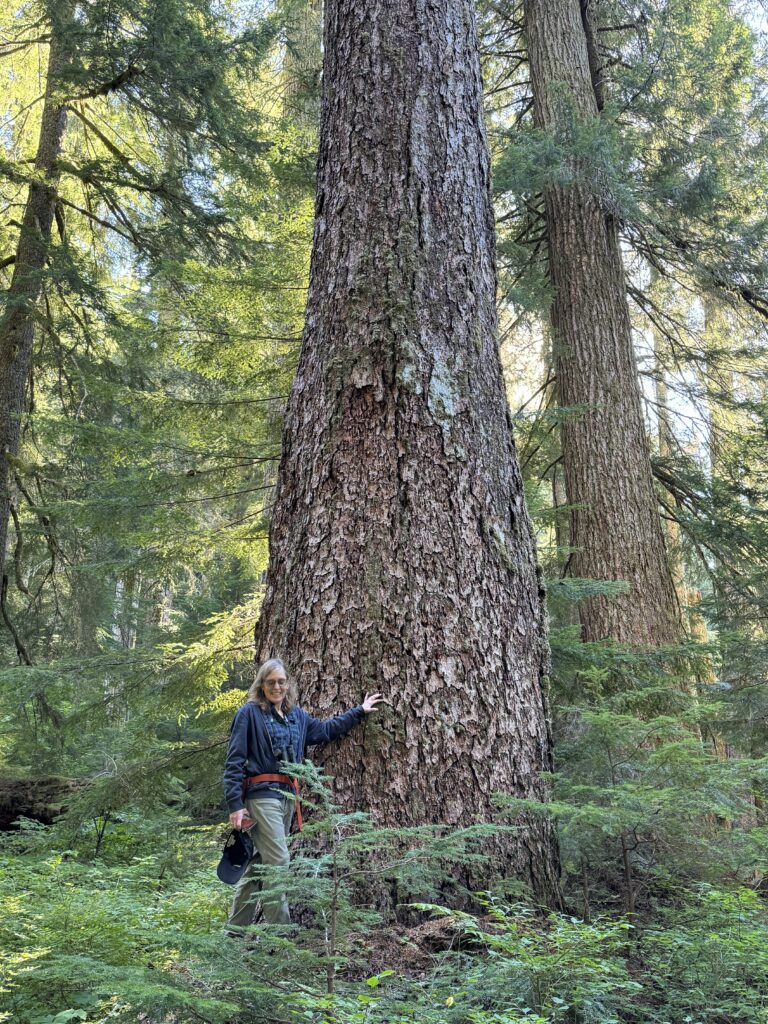
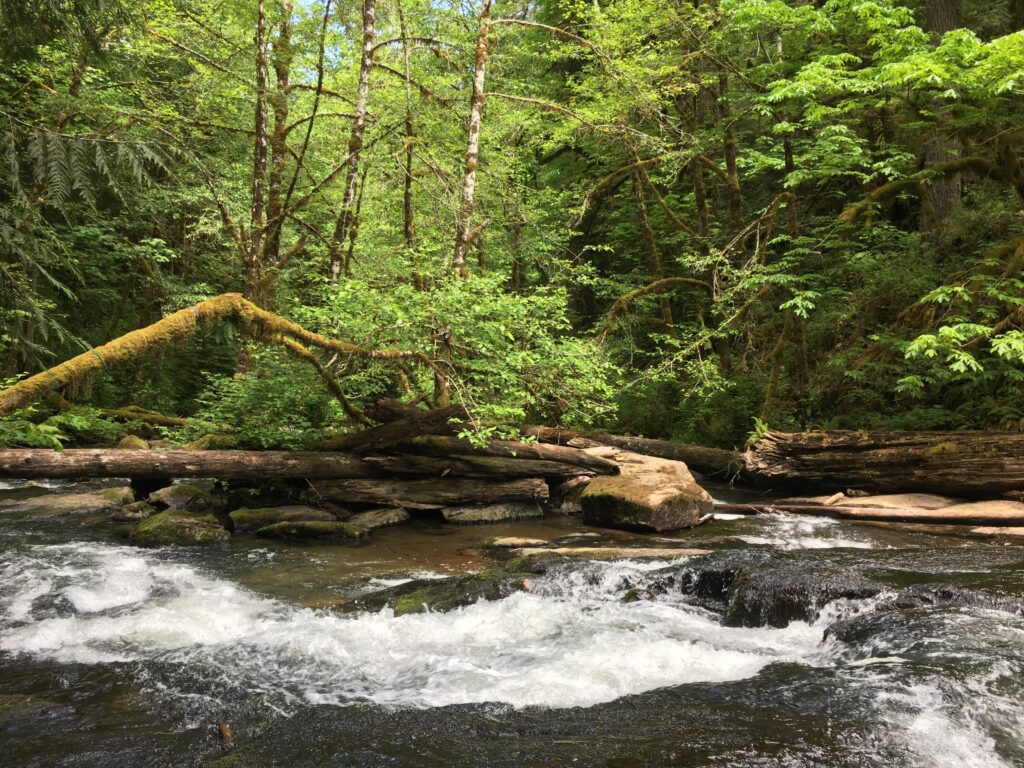
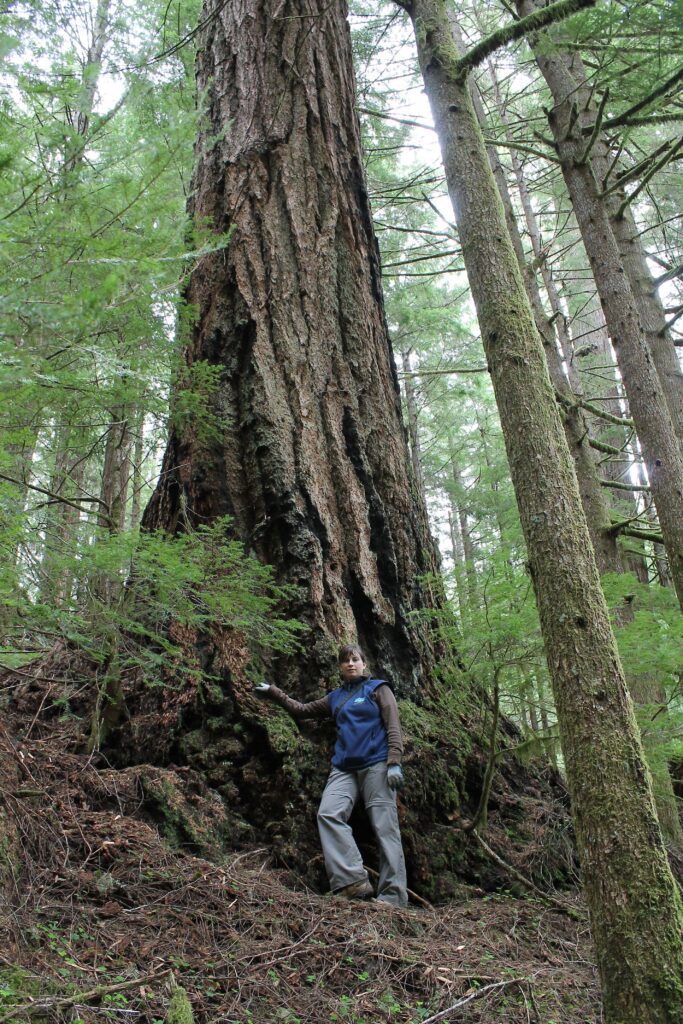
| Threatened Forests and Rivers on Western Oregon BLM Lands |
Courts have sided with conservation groups, most recently the high-profile Blue and Gold logging project. These court cases have highlighted that, even under the significantly weaker safeguards of the 2016 RMPs, the agency has regularly violated its own rules and bedrock environmental laws in order to facilitate commercial logging projects. In recent litigation, the BLM has even been accused by those who worked for the agency of fabricating analysis that would allow more aggressive logging.
###